
Adoption Is a Team Sport: Aligning Product, Marketing, and Revenue
Welcome to the Health Marketing Collective, where strong leadership meets marketing excellence.
On today’s episode, we’re joined by Wendy Cutting, VP and CTO of Product, Data, and Engineering at HealtheMed, to dig into one of the most important and nuanced challenges in healthcare: the often-fraught relationship between product and marketing. As someone who has navigated this dynamic for more than 20 years in both retail and healthcare organizations, Wendy offers a seasoned, practical perspective on why friction arises between product and marketing—and, crucially, what it takes to break down silos and truly drive adoption and impact.
Wendy’s expertise lies in transforming business strategy into scalable healthcare technology, embedding security, compliance, and operational rigor at every stage. She partners deeply with marketing and executive teams, ensuring that every product built aligns with the way it’s positioned and understood in the market. As Sara Payne and Wendy Cutting unpack the tension between product validation and iteration versus marketing’s drive for activation and scale, they explore how data, executive alignment, and cross-functional collaboration are essential to maximizing both innovation and adoption.
Together, they look at real-world lessons from retail, practical approaches from healthcare, and actionable strategies for any organization striving to improve collaboration and move as one unified team.
Key Takeaways:
Data as the Critical Bridge: The recurring theme throughout the discussion is the value of data—particularly the role of dedicated analytics teams as the connective tissue between product and marketing. Rather than relying on product or marketing to own and interpret the data independently, organizations see the most alignment and trust when an objective analytics group manages the data, making it accessible and transparent for all teams ([00:05:30 - 00:06:26]).
Roadmap Transparency Drives Alignment: Successful organizations foster collaboration by involving both product and marketing in roadmap planning early and often. This includes openly sharing roadmaps, planning work well in advance (ideally giving marketing a six-month window for larger organizations), and engaging in collaborative quarterly business reviews. Such practices help both sides anticipate needs, plan resources, and adjust tactics to better serve shared goals ([00:08:30 - 00:11:16]).
Lessons from Retail: True Customer Focus: Drawing on her background at Best Buy and Target, Wendy Cutting argues that healthcare has much to learn from retail’s customer obsession. In retail, understanding and personalizing to the end user is essential—otherwise, there is no sale. In healthcare, complexity and segmentation often obscure that focus, but those organizations that embrace human-centered design (as in retail) achieve stronger engagement and better results ([00:12:05 - 00:12:44]).
Building Trust Through Regular Cross-Functional Meetings: Beyond just process, success also comes down to relationships. Regular, bi-weekly touchpoints between product and marketing leaders—even when there’s little on the agenda—foster trust, friendship, and mutual understanding. This consistency sets the tone for fast pivots, shared wins, and more empathetic collaboration across the board ([00:24:17 - 00:24:39]).
Executive Support and a Shared Purpose: Executive alignment is critical: when leadership frames business objectives clearly and everyone is on the same page about ultimate goals, it becomes much easier to resolve tensions and unite product and marketing behind outcomes that matter for both business and customer. Wendy Cutting emphasizes that technology and marketing should always serve people first—not just revenue—by solving what’s genuinely missing in people’s lives ([00:22:14 - 00:22:50]).
Thank you for being part of the Health Marketing Collective, where strong leadership meets marketing excellence. The future of healthcare depends on it.
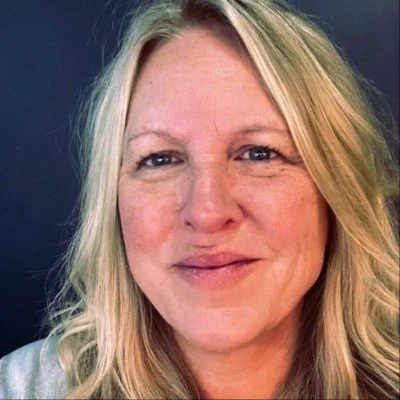
About Wendy Cutting
Wendy Cutting is a Vice President/CTO of Product, Data and Engineering who specializes in transforming business strategy into scalable healthcare technology products. She partners closely with executive leadership, marketing, and PR teams to ensure product development aligns with market positioning and customer expectations. Wendy believes that clear message delivery to the end consumer is as critical as technical execution because adoption, engagement, and measurable success metrics are driven by how well a product’s value is communicated, understood, and trusted.
While leading engineering and product teams from concept through launch and scale, Wendy embeds security, compliance, and operational rigor into every stage of the lifecycle. She architects healthcare platforms with HIPAA-aligned controls and governance frameworks, ensuring that innovation, brand credibility, and regulatory integrity work together to drive sustained growth and meaningful user engagement.
-
Sara Payne [00:00:10]:
Welcome back to the Health Marketing Collective, where strong leadership meets marketing excellence. I'm your host, Sara Payne, and I'm bringing you fascinating conversations with some of the industry's top marketing minds. Today, we're talking about the tension between product and marketing. Product wants to validate and iterate. Marketing wants to activate and scale. And when those rhythms aren't aligned, adoption suffers. So today we're unpacking what it really takes for product marketing and revenue to work together as one team. I'm joined by Wendy Cutting, VP and CTO of product, data, and engineering at Healthymed.
Sara Payne [00:00:50]:
Wendy specializes in turning business strategy into scalable healthcare technology. She partners closely with marketing and executive teams to make sure what gets built actually aligns with how it's positioned and understood in the market. She's led product and engineering teams from concept through launch and scale, embedding security, compliance, and operational rigor into every stage of the lifecycle. In healthcare, as you know, that means architecting platforms with HIPAA-aligned governance and controls, making sure innovation, brand credibility, and regulatory integrity all move together. And Wendy believes something I deeply agree with, that how clearly a product's value is communicated is just as important as how well it's built. She's been navigating this whole product marketing dynamic for more than 20 years across both retail and healthcare. And today we're going to unpack what that actually— and today we're unpacking what actually makes adoption work. Wendy, welcome to the show.
Wendy Cutting [00:01:59]:
Thank you, Sarah. Excited to be here. I just say thank you for having me on the show. Excited to talk about this, one of my favorite topics. So I'm looking forward to this.
Sara Payne [00:02:07]:
I'm really looking forward to it too. Let's get right into it. Again, as I said, you've been navigating this dynamic for more than two decades. So in your experience, where does this tension between product and marketing really start? Sort of what, what's underneath all of that?
Wendy Cutting [00:02:25]:
Yeah, really good question. And the reason why is because a lot of times the teams have different objectives. So when we look at the companies that I've worked at that do really well, you know, it's typically in the retail space, mostly because as, as you all may know, Retail has low margins. So the business has to act very effectively and efficiently for them to be able to produce money. And so how they do that is they make sure at the very top level that the entire company in the business side understand what the business driving goals are. Now, that doesn't mean that there isn't tensions within the business itself, but the question always goes back to what's our goal and objective, and the leaders at the top of those organizations can always state that objective. When you move into areas of healthcare, for example, a little bit different organizations have very different goals. There's usually fewer marketing people.
Wendy Cutting [00:03:16]:
It's the objective up at the top and everybody's on the same page.
Sara Payne [00:03:19]:
Great, great context there. And when there is that friction that exists so often between product and, and marketing, where do you see that play out?
Wendy Cutting [00:03:34]:
Yeah, usually at the executive leadership level, you have a group that want all this marketing. For example, I have tons of experience at UnitedHealthcare where folks in marketing wanted to reach members in a certain way. And then we had the data from the product team that said, hey, these are the ways that we see are working and these are really not that effective. And while the idea is really good, it's not resonating or it's not being clicked on. There's a reason behind it. So my world also exists in human behavior around click-through digital experience. And you know, I've seen this many times from a qualitative, quantitative point of view working at Target. You have the excited customer saying, I always use Target and do this.
Wendy Cutting [00:04:18]:
And then you actually look at the data and none of them are doing that. So data is like a paramount critical bridge to marketing and product. I've seen it too where there's tension where the data's not believed. Marketing folks say, hey, you guys were capturing the data. We don't believe it's true. How were you capturing? So they really wanna understand the algorithm and the methodology so that they can truly understand how it's being done to get on the same page. A lot of times too, marketing has ideas and wants to feed that into the product world where there's already a backlog, there's already a roadmap, and it, You know, again, what is this doing to produce, you know, results for the big goal at, in, you know, that we're all striving to hit?
Sara Payne [00:05:02]:
Yeah, you're giving a lot of great examples there. I'm sure a lot of people nodding their heads and can relate to, to what you're describing there in their own realities, background, and experience. You mentioned data. This is a critical piece here. Let's talk about where that data ownership typically lie in organizations and how that ends up really shaping or impacting collaboration.
Wendy Cutting [00:05:30]:
Super good question. Depending on the maturity of the organization, sometimes data is within the product and engineering because they can actually track and they can make, get real-time feedback. And that's where marketing sometimes doesn't trust it because it's been instrumented for their use only. However, in organizations that have a unique group within the company that specifically works on the analytics for organization, whether it be your customer service feedback, your NPS, all the way down to clicks and tracking, if that's set up to one organization, that's cascaded and presented holistically to everybody. So we're all hearing the same message and then that data is getting to everybody. When the conversation, when you get groups at the table, you can actually pull that data out and it didn't come from me. It didn't come from marketing. It actually came from our analytics group that's responsible for ensuring the organization is tracking on the OKRs or KPIs, whatever that data might be.
Sara Payne [00:06:26]:
Yeah, I love that. So we're really talking about data and the analytics team being a key bridge here in this whole collaboration process. And it sounds like when that function is underrepresented at the table from more of that global view, that's maybe where some of that tension can rise.
Wendy Cutting [00:06:50]:
Well said.
Sara Payne [00:06:52]:
And what do you think, anything else from a data sharing perspective, from a best practices standpoint that we haven't already covered that's really important?
Wendy Cutting [00:07:03]:
Yeah, I think I'll just share one thing. If organizations are not, and you know, as time has gone on, this has become more commonplace, but Quarterly business reviews are critical. Everybody wants to know how what you're building is actually meeting the needs. Transparency is critical. The data to explain, you know, the story is really what gets people pulled together. And I've seen tension in teams where having these quarterly business reviews with marketing and product has made best friends of one another. And then I've seen marketing do the same thing, present their quarterly back to the rest of the organization. So it's all about data transparency, instrumentation with understanding And then, you know, using that data to make mindful decisions and see the outcomes in which they produce.
Sara Payne [00:07:49]:
Yeah, that's great. You've already started to map some of what good looks like, right? We've talked a little bit about the friction and sort of where that comes from. We've started to talk about some of what good looks like. Tell us more about what that ideal alignment between product and marketing looks like from a, from a structural standpoint. And if you want to, we can also get into the, the shared versus team-specific accountability as well. But just trying to unpack some of that structural stuff.
Wendy Cutting [00:08:22]:
So you're talking resource structuring or work structuring?
Sara Payne [00:08:26]:
More work, work. I'm thinking more work structuring.
Wendy Cutting [00:08:30]:
So then I think about that more from the roadmap perspective, as I was talking about earlier, where For example, I typically have a year planned out roadmap in the product world where from an engineering or organization perspective, you know, there's expenses. I like to call it the bank's giving us money and how are we gonna pay the bank back? So it, it's a matter of what are we delivering? And then the outcomes are what's the data that we're, we've built something and how is it producing to meet that objective in which the bank gave us money for? And so in, in that case, a lot of times product will, lead the effort and will work with marketing to say, hey, we've built this really nice benefits package. We want our members to see and understand, reduce calls at the call center so that they understand their benefits. And the only way to do that is to work with marketing to help them reach those people via email channel mechanisms or scripts that are written for call centers, for example, to shorten or lessen the call to get people into where we need them. So from a roadmap perspective, Roadmap collaboration is critical. Again, it's transparency. That QBR is really intended to see what, what are we doing? What, what are we doing now? What, what are we doing in the future? And then how are those outcomes performing? And it's, I've seen it massively make it easier for marketing folks to change or work through their roadmap so that they're aligned or vice versa. So it just, yeah, the roadmap piece of it cuts a lot of tension and produces much better results.
Wendy Cutting [00:09:58]:
Together.
Sara Payne [00:10:00]:
And when should marketing be brought in when looking at this from a roadmap perspective? Um, when should marketing be brought in?
Wendy Cutting [00:10:09]:
That's a great question because roadmaps typically are built by quarter by quarter, and I always say the quarter that we're in, it's hard, it's hardened, we're not going to change much because engineering's already spent time and effort to build that. You have quarter 2, which is, has, I would say, 25% room for for additions or subtractions. And then the last 2 quarters of the year are much softer, at which point that's critical for marketing to start to understand what are you doing that's going to impact us and what are we going to— and also gives them 6 months of bandwidth or time to see, you know, what kind of budget do we have in marketing to support this? Do we need to hire people? Do we need to look at a different vendor or different solution that can reach these clients or members? Specifically, so I would say, you know, in my, my experience of good, a 6-month window. Again, it depends. I'm in a startup right now and we, we have a month windows. So again, it's dependent on the size of the organization. Working in a small organization like I am right now, I really, I love to move fast. So it's more a matter of what's our goal, how we're going to execute on it.
Wendy Cutting [00:11:16]:
And we have, you know, we can we can afford the pivot very quickly because we're not talking about 20 people on a team.
Sara Payne [00:11:23]:
So yeah, absolutely. You were talking earlier about some retail examples, and I really love when healthcare can draw inspiration from other industries. You've got a lot of experience there in your early days in the retail side and now for several years being on the healthcare side. What do you think retail really gets right? About that product marketing alignment that healthcare can learn from? And you've already started, you already started to allude to some of that earlier.
Wendy Cutting [00:11:53]:
Yeah, Mark, I think Target, Best Buy does a great job of marketing. What they do really well is connecting with the customer and the customer and consumer. They have a high level of personalization. They have a high level of understanding who their target audience is. Where in the healthcare world, it's a lot harder because you have everybody under the sun. And specifically, you know, if we're talking health payer side versus hospital clinical side, you really cover everybody unless you're in a specialty space or you've got the segments in healthcare, which is Medicare, Medicaid, and then the commercial space. So I really think the difference is the healthcare space really lacks truly understanding the end user. And again, I build software, so the software that I build is to make lives easier.
Wendy Cutting [00:12:38]:
And when we do that, we see the engagement or the outcomes we're looking for. Retail has that figured out. They know if they can't get an add to cart, there's no sale and no sale means no revenue.
Sara Payne [00:12:48]:
Yeah, let's talk about that a little bit more because I think that's a really great point. Perhaps it should be a bigger priority. And you, you mentioned you come from that human factors background education-wise and, and the UX, the user experience is really important to you. So perhaps, you know, offer a reframe of how we should be thinking about inside of healthcare. And maybe you can draw from some of how you're approaching that with your team inside of Healthymed today as well.
Wendy Cutting [00:13:17]:
Yeah. Spending— so I left Best Buy to go work for UnitedHealthcare with a group of leaders. I was one of the first folks that joined UnitedHealthcare to build, revamp their, their web portal, web and app portal for a member, you know, 3 million members. And it was hard leaving Best Buy where we're doing fun things, trying new ways of engaging shoppers to, oh my gosh, I can't even understand this claim. It's so complicated. And somebody's receiving data, they don't know how much money they owe. So I was, I will say, hellbent on making it work. And so I myself, as a member, went through a couple of experiences myself.
Wendy Cutting [00:13:57]:
I can share Many, but one that stands out the most was I went to get eye exam, my daughter and I, and I used our application that we were building as a regular member would. And lo and behold, went to a provider that wasn't in network that said was in network. So my eye exams that were costing me $50 ended up costing $600 for the both of us. So it's more critical than buying a TV. And in all honesty, the reason why I left the retail world is selling a TV in May is not the most fun, but going to help people understand their bills and their claims and make sure they're seeing the right providers is a huge personal goal that I had was working to help people. And so in my opinion, I say this all the time with leaders, it's kind of pathetic that we spent hours and labored on getting a TV to cart and it's very hard for somebody to understand and process their, their health claims. So that's why I'm here and now in the position where I'm helping people directly with care. So the group that I work for now, we actually are putting technology and nurses directly in the home, managing our Medicaid-waivered folks in the state of Minnesota, which is a high need.
Wendy Cutting [00:15:13]:
Nobody pays attention to this group, sadly, because of the cost of insurance. So we're taking a different look on direct-to-consumer care and starting with those people that are Medicaid. So it's much like retail from the perspective of we don't have payers in the middle telling us what we need to do. We're actually impacting care where we're bringing data inside and we're building care paths that help these people monitor them on a daily basis. So it's definitely what I'm doing now is the closest to retail direct-to-consumer than I've, than I've been in, in my career.
Sara Payne [00:15:45]:
So, wow. Yeah, no, that's great. Thank you for sharing more specifics there. And, and Do you have any sort of headline examples on how some of this philosophy and maybe some of the new work that you're putting in, in place has actually translated? You can see, you can see little, you know, we don't always get to see the direct impact of our work, but start to see some examples where in fact, changing some of these things is actually improving the user experience. And we know it because we're seeing whatever behaviors change and how they're interacting with the technology.
Wendy Cutting [00:16:20]:
Yeah, with our application and direct access to clients, or our clients' direct access to our nurses, we've literally saved lives. I have stories on healthymed.com. You can go and see the people that we've helped, that the interactions that we have with our patients, I don't even have that with my primary physician or my nurse or the group that I see. And so when you have that kind of relationship, It's just like buying a TV at Best Buy. You know that somebody's going to be there to help you when it breaks. You know where it came from. Now, one could say, I have a great relationship with my PCP or my specialty doctor, and that can be true. But when you have a lack of data that we have funneling back and forth, sending alerts to our nurses on a daily basis, understanding when Wendy, certain criteria.
Wendy Cutting [00:17:07]:
So we have, and I'm going to just hold something up. We use biometric devices in the home alongside our technology. So those used on a daily basis are giving engagement ratings. We're at 85% connectivity to our clients, which we don't have. And again, that data is piped back to us. We have both PCP and we have mental health folks that are working with our clients. So whether it be a health, you know, health is related to your mental health, all of those combined, we're able to make massive changes directly within our own small organization.
Sara Payne [00:17:42]:
That's fantastic. Congratulations on the work and the progress that you've made there. Is executive-level support and buy-in for this kind of philosophy and thinking really important? You know, obviously, you're in a senior leadership role, but, you know, all the way to the top of the organization, do you think that's important as we're looking at across healthcare really driving more significant change in some of this?
Wendy Cutting [00:18:11]:
It is because it's so different and unique what we're doing. I like to call it the hybrid cloud clinical experience where we do have nurses that have quarterly visits or more depending on how serious a group or a segment of our population might be. It's very different. People don't know how to bill for it. They don't know how to— when we talk to folks, they're like, well, how do you do that? Well, technology also makes us efficient. So because we have the vitals that are on the back end. We have our group, our patient population in segments, much like when I was at UnitedHealthcare, but we— it's based on claims. Ours is based on actual biometrics, like real-time data in terms of how is your blood pressure today.
Wendy Cutting [00:18:51]:
So that integration of the tech with nursing that has the ability to go out in his home because we are in Minnesota, we can only right now, we can manage that. Our nurses are driving up to you know, Duluth and north of that on a weekly basis. So when we need to go out, we go out and the technology that we have serves them. We have all that on the back end to make sure it's working and functioning properly. We get notifications if somebody's internet's out, that they're not getting service that they need. So from a tech perspective, we're highly tech, high tech, high touch. And I think that's critical. And that's what retail does too.
Wendy Cutting [00:19:27]:
They'll tell you Best Buy, they're high tech, high touch. You go in the store, They'll show it to you and you can go back home and buy it online. So it's that same concept in mind where I'm not just leaving the doctor's office and praying for the best.
Sara Payne [00:19:39]:
Yeah, yeah, absolutely. You were talking earlier about, you know, again, what inspiration healthcare can draw from retail sector. And got me thinking about sort of that call it growth thinking, if you will. How would you describe sort of healthcare's posture towards that growth thinking compared to retail?
Wendy Cutting [00:20:09]:
It's significantly different. And I have viewpoints from in the payer space and viewpoints from the clinical space, which I'm in now. From a clinical standpoint, doctors and nurses are used to taking care of people and they're used to doing it in a very what's the good word, clinical or a medical setting, right? They're not business folks. They're thinking about how am I gonna make sure that this person's healthy? So when you start to bring business into an area that they're not used to capturing data, how do we have conversations? When do we go out? What does our clinical protocols look like that might be different than a clinic because they're not getting these readings? Which our team's very excited, but it's a different way of thinking. In the retail space, it's common. And then you go into the healthcare payer space and it's about money. And so it really is less about what are we doing to make— and I'm going to be very cautious of what I say, but I worked in the claims area for 6 and a half years and wanted to make experiences better. And you would hear a lot of OKs, but you would not see that necessarily being followed through.
Wendy Cutting [00:21:19]:
And therefore, that's why I chose to work in areas that are touching clients directly. Um, I was also at a small startup after UnitedHealthcare where it was working directly with payer members, but it was messaging to them to change habits, to, you know, essentially move them towards health, which was, um, you know, a positive as well. So it all depends on the healthcare space that you're in. I love the clinical medical side because you can't get closer to the patient. Just like selling something at Target, right? You're right, you're right there. You can get right close to the customer. I'm not having to go from one store to another to get product.
Sara Payne [00:21:56]:
Yeah, absolutely. As we kind of tie a bow on this conversation, Wendy, anything else from a what good looks like in terms of this really strong alignment between product and marketing that we haven't already touched on?
Wendy Cutting [00:22:14]:
I think as we think about technology and marketing, one of the things I always say is technology doesn't solve everything. And that's why I love working with marketing because it's that human element that ensures that we're focused on people and making it clear what it is we're trying to develop and have happen. And not from the sake of making money always. A lot of it's really like, what is missing in somebody's life and how can we help them? And sure, we all run and operate on money, but we really should be prudent about how we're spending it so that we can make the best impact we can on human lives.
Sara Payne [00:22:51]:
I love the way you said that. What is missing from someone's life and how can we— I remember exactly what you said, solve for that or provide that. I love that. I love that framing. Well, before we go, let's wrap with a few quickfire questions, if you don't mind. What's What is one mistake marketing leaders should stop making?
Wendy Cutting [00:23:15]:
That they are, I think in my quick observation that I've had in my time is that they have a track of their own that doesn't need to tie to the rest of the product and engineering specifically, because that's the areas I played. So very much there's continuation between them all.
Sara Payne [00:23:32]:
Yeah. Love that. Great point. On the flip side, what's one behavior product leaders, product leaders should start doing?
Wendy Cutting [00:23:40]:
Listening to marketing because they're close to the client. And when I say that, like, use some of the data that they have as well. They are doing the research to know who we're trying to, you know, manage our, you know, manage our work with. So it's just, it's really listening, being curious. All together, just putting it in a frame of reference of we're here to help the greater organization and the people that we serve.
Sara Payne [00:24:07]:
I love that. And then collectively, what's one shared habit across these groups that really helps build that long-term trust?
Wendy Cutting [00:24:17]:
Regular meetings. Regular meetings and friendships. Huge.
Sara Payne [00:24:23]:
OK, now I have to ask, to you, what does regular meeting mean? How frequent?
Wendy Cutting [00:24:27]:
Once every other 2 weeks. It could be— I met with my marketing leader once every 2 weeks for 30 minutes. She and I sometimes didn't have much to talk about, but we talked about our kids. It's building that relationship.
Sara Payne [00:24:40]:
Yeah, great advice. Great advice. Yeah, I mean, at the end of the day, we talked about this. Adoption isn't just about that roadmap alignment, although that's critical. It's about trust and it's about clarity and it's about getting these teams to move in the same direction. And when that happens, that's when adoption can really accelerate. That's, and that's when we can make sure we're meeting the market with what they need too.
Wendy Cutting [00:25:06]:
And people are happier doing their job that way.
Sara Payne [00:25:09]:
Great point. Great point. Wendy, thank you so much for being here today and giving us such a practical and grounded perspective to this conversation. Conversation.
Wendy Cutting [00:25:18]:
Yes, thank you so much. I appreciate it as well, Sara.
Sara Payne [00:25:22]:
And to everyone listening, thanks for joining us on the Health Marketing Collective, where strong leadership meets marketing excellence, because the future of healthcare depends on it. We'll see you next time.
Who Should Be Our Next Guest?
Contact us at connect@inprela.com with your suggestions for guests who are making waves in Healthcare marketing.