
Beyond the Buzzword: What Patient-Centric Really Means for Healthcare Brands
Welcome to the Health Marketing Collective, where strong leadership meets marketing excellence.
On today’s episode, we’re thrilled to welcome Kelly Franchetti, CEO of The Patient View, as she joins host Sara Payne for a candid discussion on what it truly means to put patients at the heart of health marketing. As an insights leader, nurse, and rare disease mom, Kelly fuses her unique personal and professional experiences to advocate for authentic patient engagement, offering actionable strategies for brands to move beyond lip service and embrace genuine patient-centricity.
Kelly brings a compelling perspective on the patient journey, informed by her own family’s experiences navigating rare diseases and clinical trials. She shares how her advocacy work led her to challenge the healthcare and pharma status quo, calling for substantive involvement of patients in every aspect of study design, marketing, and support program development.
Throughout the conversation, Sara and Kelly explore why “patient-centric” risks becoming just another buzzword, how to avoid costly missteps by listening to patient insights, and the organizational challenges that often stall efforts to turn data into change. They discuss real-life examples of brands pivoting strategies in response to patient feedback, and highlight the importance of enterprise-wide buy-in, frequent iteration, and empathy as foundational principles in modern health marketing.
Key Takeaways:
Patient-Centricity Must Be Actionable, Not Just Aspirational:
Kelly underscores that real patient-centricity requires actively seeking out patient perspectives through research and acting on what is learned. It’s not about relying solely on AI or superficial data; it’s about integrating genuine patient voices, frequently revisiting those insights, and ensuring they shape every aspect of marketing and brand strategy.Enterprise Buy-In Drives Change, While Siloes Stall Progress:
One of the main reasons patient insights aren’t implemented is the lack of enterprise-level buy-in. Kelly points out that meaningful change rarely happens in fragmented organizations. Successful brands foster cross-functional alignment and maintain internal champions who advocate for patients throughout all stages of research, development, and commercialization.Early and Iterative Engagement Avoids Costly Missteps:
Kelly shares powerful examples of campaigns and trial materials that dramatically changed direction thanks to patient feedback. For instance, using “the wrong shade of pink” for triple negative breast cancer materials nearly became an expensive mistake. Bringing patient input in early—and returning for further feedback during iteration—saves resources and enhances resonance.Empathy and Authenticity Build Trust:
Marketers often underestimate how small gestures—like mentioning that support materials were created with real patients and caregivers—can foster trust. Empathy is the foundation of truly patient-centric marketing. It's not enough to assume clinical expertise translates into understanding; language and context must be shaped by authentic patient experience.Patient Insights Can Be Quick, Cost-Effective, and Highly Influential:
Kelly dispels myths that rigorous patient research is always expensive or slow. Reviewing existing data, leveraging small rapid studies, and continually refreshing patient advisory boards are accessible ways to keep messaging and services aligned with evolving patient needs. The key is to act, even if incrementally, and recognize that integrating the patient perspective is a journey—not a one-time project.
Don’t forget to subscribe wherever you get your podcasts. Thank you for tuning in to the Health Marketing Collective, where strong leadership meets marketing excellence. The future of healthcare depends on it.
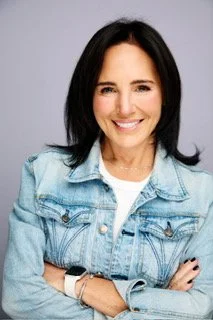
About Kelly Franchetti
Kelly Franchetti is the Co-Founder and Chief Executive Officer of The Patient View. A former emergency medicine nurse, and current rare mom - she brings over 20 years of clinical, research, and patient engagement expertise to the life sciences industry. Kelly is recognized globally as a leader in elevating the patient voice, advancing healthcare quality, and shaping strategies that improve both clinical research and patient experience.
-
Sara Payne [00:00:10]:
Welcome back to the Health Marketing Collective, where strong leadership meets marketing excellence. I'm your host Sara Payne and I'm bringing you fascinating conversations with some of the industry's top marketing minds. Today we're talking about what it means to be truly patient centric. My guest is Kelly Franchetti, CEO of the Patient View. She's an insights leader, a nurse and a rare disease mom. And she combines those unique perspectives to help brands listen to patients in ways that drive real change, not just lip service. She's a strong advocate for the patient voice in healthcare and I'm thrilled for her to be here today. Kelly, welcome to the show.
Kelly Franchetti [00:00:50]:
Thank you so much for having me.
Sara Payne [00:00:52]:
The Health Marketing Collective is powered by Inprela, a communications firm built for health brands determined to lead, not follow. We partner with marketing innovators who aren't just chasing attention, they're building movements. Connect with the audiences shaping the future of care and lead the conversations that move your market. Ready to rise above the noise? Visit inprela.com that's inprela.com, lets create something that moves the market. Absolutely. Before we dive in, I thought it would be interesting to just take a minute to hear a little bit about your background of how your personal and professional worlds really collided to shape your passion for patient engagement.
Kelly Franchetti [00:01:39]:
Yeah. So thank you. Yeah. So I was a nurse, I am a nurse by trade and you know, years ago I had my first child, my son, and by 11 months old he was diagnosed with a rare disease. So kind of going through that from birth to that kind of 11 month old time where he, he was diagnosed and then, you know, I don't know if you know this, but I'm sure many people do that. When you're in the rare disease space, pretty much your treatment is clinical trials. It's kind of looking around for that. So that was really my first foray into the clinical trial world was with my son and just to level set, he will be 30 next month.
Kelly Franchetti [00:02:25]:
So it's been a minute that I've been doing it but you know, I think it really started when we, I got really involved in clinical studies and was trying to really navigate it as a full time mom, as a full time nurse. And at the same time my brother had his youngest son who was born with an ultra rare condition. And just trying to navigate, you know, both of them finding advocacy, finding, you know, clinical trials that would, would help, would speak to this was really, really difficult. But once we got involved in it, I then started to say, wait a minute, has anybody even talked to us when they put this trial together or when they're putting out some of these educational materials, like, do they understand kind of where we're coming from? Because even as a nurse, that was. I felt like I was pretty well educated in health care and language and things like that. I was really confused. And that's really where the basis of all of this started, was I went from being an advocate and starting advocacy groups in these two rare disease areas to saying, wait a minute, pharma, wait a minute, marketing. You need to kind of take us into consideration, like, you should be talking to us.
Kelly Franchetti [00:03:48]:
We can help you help us.
Sara Payne [00:03:50]:
Absolutely.
Kelly Franchetti [00:03:51]:
Well, that's kind of how it all started.
Sara Payne [00:03:54]:
No, it's such great context. And thank you for sharing, you know, the, the experience that you've gained as a mom and as a nurse for everyone else's benefit. Right, right. I mean, it's clearly a passion project for you. And now others get to learn from what you've learned along the way. You've spent a lot of time in the clinical trials space, but also the, the insights and the, the advice that you have to offer extends far beyond that into the marketing and the brand space, which is what we're going to touch on today. You and I both know that patient, patient centric has, has become one of those buzzwords that, you know, shows up in every company deck. Right.
Sara Payne [00:04:37]:
We all aim to be patient centric. But from your perspective, what does it really mean in practice for healthcare brands?
Kelly Franchetti [00:04:48]:
I think for me, and you're quite right with the buzzword, I feel like it's overused and not as well interpreted or explained within each kind of individual company. But for me, really, being patient centric means that you are actually going out there and doing the research, gathering that information for patient voice and then taking action on that information. And I think it's a lot of, when you look at taking action, there's a multitude of different ways of taking action.
Sara Payne [00:05:27]:
But.
Kelly Franchetti [00:05:27]:
But just to start that ball rolling in patient centricity, we really need to be talking to the patients, the actual patients, not kind of running it through an AI or, you know, having something like that. Look at a community that's online and, you know, just. It's really capturing that patient voice and then actioning upon what you hear.
Sara Payne [00:05:54]:
Yeah, I mean, great point about AI. AI can do a lot of wonderful things.
Kelly Franchetti [00:05:58]:
Absolutely.
Sara Payne [00:05:59]:
But there is really no true replacement, I believe, for the actual voice of the customer, whomever it is. In this case, obviously, we're focused. Very much so. On the patient side of things. So I appreciate you bringing that up. Can you share a story or an example where listening to patients actually change the direction of a campaign or a company strategy to avoid a misstep?
Kelly Franchetti [00:06:32]:
Yeah, I actually can. When I think about it, I think back to something that we worked on in breast cancer, actually triple negative breast cancer, which is very different than a lot of what we hear with her two positive, her two negative kind of breast cancer. But we were going into it, and really we started these insights early on for the clinical team when we were looking at protocol development and, you know, looking at how do we get the patients into this and what would make them interested. And interestingly, we found out a lot of information, a lot of which helped that marketing side once we got, you know, to commercialization of the drug. And some of the bigger things that came up was, you know, they thought breast cancer, the company thought breast cancer. Makes sense. All of the materials that they were developing for the study were pink. And we put it in front of patients, and patients had a visceral reaction to that pink and said that, obviously you don't understand who I am.
Kelly Franchetti [00:07:42]:
You don't understand the disease process that I have. Because if you did, you would. You would know that we don't associate with that. Like, that has hope and, and. And this, it. It just doesn't match what we're feeling. So we did a lot of changes for the protocol, which helped with, you know, getting the patients in. But this company did over.
Kelly Franchetti [00:08:04]:
We pulled it through. We kept pulling those insights through so that when we got to commercialization, they knew we knew. Try different colors, different imagery, different words. You know, lexicon is so important. And in all aspects of, you know, from a patient perspective, but especially in oncology, lexicon of language and how you talk about the disease process and how you talk about the person is really, really important to them. And we got that information super early on and could keep kind of iterating on it and then hand it over to the commercialization team who could utilize that and then keep iterating on it. And I really think we missed a lot of kind of mishaps that that could have happened along the way. Not just from the clinical trial, but from marketing.
Sara Payne [00:08:58]:
Yeah, absolutely. What a powerful example right there. And I love this. I mean, that could have been a really expensive mistake. An incredibly expensive mistake.
Kelly Franchetti [00:09:09]:
Very expensive. So. And, you know, it could have been. It could have been really disastrous for the product because it would have had problems bringing in patients to actually go through the trials. To get the data that they needed. And then it would have struggled all the way through. And had we have never reached out, talked to patients, put it in front of them, they wouldn't have known. And even though we did know, it's really important that once we got to that commercialization.
Kelly Franchetti [00:09:41]:
Commercialization stage. Sorry, we did another round. We kept going back to say, okay, how do we feel about this? You know, the coloring and the imagery and the words and just getting all of that feedback and always getting that really made, I think the biggest difference.
Sara Payne [00:10:02]:
Yeah, I love your points there about keep pulling through those insights, keep iterating and go back. Right. Versus just. I mean, there's so many shortcuts. Right. That we, we for a lot of different reasons, oftentimes, timing, budget, what have you. We might try to take. You already brought up AI Right now we're talking about potentially people want to do this, but they do it maybe too early or, or they don't go back.
Kelly Franchetti [00:10:34]:
Right.
Sara Payne [00:10:35]:
And check again or get additional insights and feedback. Such great points there, Kelly.
Kelly Franchetti [00:10:41]:
Yeah, absolutely. And I think, you know, probably the. One of the most important things that I like to put out there is following kind of our ethos is just first educate. Educate yourself. If you're doing anything for a patient with a patient that's going to affect a patient, first educate yourself, then build, then test it, then optimize it.
Sara Payne [00:11:07]:
Yes.
Kelly Franchetti [00:11:08]:
Then start over again. Go back and, you know, get that feedback and tweak it and make sure that you're always keeping that line of communication open.
Sara Payne [00:11:18]:
Do you find that this process is more commonly embraced in pharma versus other categories in healthcare?
Kelly Franchetti [00:11:31]:
I actually don't think it's that widely embraced. It's definitely picked up momentum. I mean, when I was doing this 10 years ago, there was nobody really talking about it and nobody really following kind of a plan. There's definitely more now, but it's. It's not as widely spread as I would like to see it be, but we're making incremental movement towards that.
Sara Payne [00:12:04]:
This is why we're having this conversation today. Right. Because as marketing leaders, we've got. What I'm hearing is we've got work to do.
Kelly Franchetti [00:12:10]:
We do.
Sara Payne [00:12:12]:
So. Okay, so we've gathered the insights, but one of the biggest frustrations that I hear from marketing leaders is we have the data, but nothing changes. And why does that happen so often?
Kelly Franchetti [00:12:30]:
I think it's that there's not. I think you have to have buy in internally. I think that's probably one of the biggest things That I see in this industry is, you know, you don't have kind of an enterprise level buy in at the company. You have silos of, you know, a clinical team, hear a marketing team there and they get, they have the buy in and they get excited. But then once you get these insights, nobody's really ready for the fact that some of these things that come of this research will require some change. And as we know, especially in corporate America, change is not exactly embraced. So I think, you know, it's really one of the issues is that there's not internal buy in, there's no internal kind of guidance of getting insights and how you're going to then implement them. And then I also think that there's an issue with the fact that so many companies are siloed off.
Kelly Franchetti [00:13:40]:
So that example that I gave earlier was an absolutely amazing example of when everybody kind of works together. But I can say that I've had many of those examples over the past 10 to 15 years. It's mostly we'll do the research for the clinical team and then it kind of stops so they don't share it over. When it goes to commercial or to the marketing teams, there's these firewalls or different things like that that are in place so it's hard to be able to pull it across all, all those different levels.
Sara Payne [00:14:17]:
Yeah, again, we've got work to do there. And do you find when you come into these engagements and you're noticing, right, you've done this long enough, you're noticing there may not be that enterprise level buy in, Are you doing a little bit of a timeout and at least sort of waving the flag with your, with your clients to say, hey, you know, what I've seen is this is most successful. It helps sort of facilitate that conversation internally around the importance of that enterprise level buy in.
Kelly Franchetti [00:14:46]:
So yeah, I do. We definitely do. And a lot of times it's received with open arms. Great. What can you do to help? And that's something that we always, you know, like to do is sit down and try to figure out. Let's help you put together an internal guidance document of how you're going to go about this research. When you know what, what are going to be the trigger, what's going to trigger internally for you to say we need to do some patient research and then you know, who's going to be involved, who's going to be champing it, championing it, championing it. Wow, I can't, I don't, I.
Kelly Franchetti [00:15:24]:
That word really escaped me here For.
Sara Payne [00:15:26]:
A second, scroll back to the sentence of who's going to be championing it. Now I'm. Now I'm going to have a hard time saying it.
Kelly Franchetti [00:15:33]:
Yeah. Who are going to be your internal champions for your insights? And you know, having that document internally where you get buy in from kind of all the different groups that it's going to effect. And I think that has been something that I have seen work really, really well. And some companies can do it on their own and put together a guidance document. Some of them need help with it. But I have found that working with companies that already have that in place, you see more change. You see that? Oh, okay. We've got these insights.
Kelly Franchetti [00:16:15]:
We've workshopped internally and now we're doing X, Y and Z. Yeah.
Sara Payne [00:16:21]:
So love the direction you're going with that. I wanted to connect this to that commercial impact because that's where the CMOs live. Right. That's where our chief marketing officers live. Where do you see the patient voice having the most influence on that side? Whether it's messaging, positioning or services? Just comment a little bit on where you've seen that influence pull through.
Kelly Franchetti [00:16:50]:
I mean, I think it pulls through in all of them, you know, from messaging, the creative that we're pulling together, you know, how are you going to position this product? All of that, I think goes back to getting those insights and finding out, you know, what, what is your patient population thinking? How are they feeling about it? How are they thinking about it? And when we're talking about services, we talk a lot about putting together patient support programs when we're doing our marketing plans. And I think it's really important to get the patient feedback at that level too. Are we just putting together a support program that we think is supportive? Are we giving the tools that these the patient's need and when we're looking at it, you know, commercializing it, as well as the marketing of that, when there are so many questions that go with the prescribers or discussions with the prescribers and the payers, but we're not bringing the patients into that. Like we need to be bringing them in early on, not just for, you know, imagery and pictures. We need to get that buy in at all levels.
Sara Payne [00:18:08]:
Absolutely. And I. This reminds me of an episode I did almost a year ago now with a creative director where we were just, we were talking about brand visuals in the modern era and the conversation was around. We have to remind ourselves as marketers that while we may have been marketing on this particular health, you know, chronic disease Chronic condition, whatever it is, for several years now, every single day, another patient is brand new to this journey. And so let's not forget that for them, this is brand new. And they may have needs that are so different than maybe the way we were thinking about it five years ago when we started down this patient education pathway with this new therapeutic or whatever it is. And so that's triggering for me in this conversation too, Kelly, because the importance of staying so close to the patient is that we may lose sight ourselves from being so close to it for so long of what that patient population's actual needs are.
Kelly Franchetti [00:19:20]:
Right. And I think we see a lot of that in a lot of times on that marketing side, we look at or we see a lot of companies that'll have patient advisory boards, patient ad boards, which I are amazing. We do patient ad boards for our clients all the time. One of the biggest things that we make sure to always be doing is to be changing it out. You don't really want a patient ad board that lasts longer than, you know, 12 months, 18 months. You want to make sure that during one of those iterative stages when you're testing something out or putting something else out there, that you don't just do it in that advisory board. You do a little bit of either some online talking, some in depth interviewing, and you start to refresh that board again, because there are patients that are coming in and patient and changing and different things like that. So I think that that's really, really important, you know, not just to always be going back, but if to make sure you're not always going back to the same spot, to the same.
Sara Payne [00:20:27]:
Great advice. Do you have a favorite story or favorite example where patient feedback shifted how a brand positioned itself or maybe even redesigned a patient support program?
Kelly Franchetti [00:20:40]:
I do. I actually do. I think one of one that comes to mind is in rare disease. And it was. They were putting together, we were talking about brand strategy, brand planning. We put everything in front of the patients, and we had to really pivot the language that they were utilizing, the colors that they were utilizing, the imagery. Nothing was kind of resonating. And it was.
Kelly Franchetti [00:21:11]:
I would liken it to. So I can't be too specific, but I would liken it to. When you see some of these commercials with, you know, a dad with their son on their shoulder and they're walking through a field and. And doing different things like that. And while it. It looked and felt so good for us in general, like, you know, anyone else, when it was put in front of the patient Population like this kind of thought. And that's not what it was, but that's what I would compare it to is they were like, this will never happen for us, so you're setting us up for the wrong expectations. And it, it doesn't, it doesn't resonate.
Kelly Franchetti [00:21:53]:
And they immediately changed it. It wasn't a super ultra rare, but it was, you know, in that area of chronic rare and you know, it was really powerful. And the team was actually on the calls with us like getting that feedback in real time and then we would have kind of a debrief after and they were just like wow. Like just wow. I had. It never dawned on us like we thought it looked good and it felt good. And it did. It really, really did.
Kelly Franchetti [00:22:25]:
They did a great job. It just didn't resonate. And they did, they pivoted immediately changed it up and came up with three different kind of ideas that we then brought another set of patients in and went through all three of those kind of boards where here's all the different ideas that they have and landed on one that really took off.
Sara Payne [00:22:52]:
Kudos to them for doing that work and seeing the change that they needed to make and doing it it and.
Kelly Franchetti [00:23:00]:
This team really, they had phenomenal buy in. They had phenomenal buy in. The pharma company that they worked with had excellent buy in. So it was. And I can see where had they have not had buy in kind of across the, you know, cross sectional and across the board. It could have been really difficult because it was. Sometimes it's really hard to get that kind of feedback when you've worked so incredibly hard on something.
Sara Payne [00:23:31]:
Yeah, absolutely.
Kelly Franchetti [00:23:32]:
And I think their biggest regret was why didn't we do this earlier before we went through all. I was wondering about that earlier and you know, it was kudos to them that they did it when they did it. Because I am a firm believer that there's never ever a bad time to do patient insights and it's never too late. But as long as you have that buy in internally, that you can tweak something if you get that feedback.
Sara Payne [00:24:07]:
Yeah. Because it takes courage to walk away from that investment you've already made in those assets. Whatever it is right and admitting, but it is the right decision because it's going to end up being more costly later if it doesn't resonate and doesn't take off the way that you're expecting and hoping that it will. What's in terms of actionable advice? What's one thing that a CMO or a VP of marketing can do in the near term.
Kelly Franchetti [00:24:36]:
Right.
Sara Payne [00:24:37]:
It's planning season. We're starting to look ahead to 2026. Maybe they can't make a change for things that are already in flight for 2025, but what advice do you have where we sit in the calendar year to help them better integrate the patient perspective into their work?
Kelly Franchetti [00:24:59]:
I would say probably one of the biggest things that anybody can do is find out, do you have any research? Do you have any, have they done any, did they do any in any of the clinical phases prior to this point? Can you access it, even just getting any of that, any of that kind of access and, you know, reading through it, what could help, you know, if you don't have the time to, or the budget right now to go out and get that feedback from a patient, find if there's anything out there, do a little research and find out is there any research in this particular area with this particular patient population? Because what I will say is a lot of times you, you know, you will find within, especially within pharma companies, if we're talking about, you know, launches and things like that, there's probably a good possibility that at some point they did something, there's some kind of research there. And even that alone could be helpful. You know, sit down and read it through and, you know, go through it, digest it, get to know your patient. That's something that you can do, you know, right away to kind of help. And I would say, you know, look at how you're going to be planning out your 2026. You don't need a lot of time for insights and you don't need a whole lot of money for insights. You know, insights can be done with a smaller N and it can be done in weeks. It's not, you know, months and months of market research and things like that that have to be done.
Kelly Franchetti [00:26:38]:
Insights can happen pretty quickly and, and pretty cost effectively.
Sara Payne [00:26:44]:
Yeah. Well, I'm sure that's good news for people listening that it doesn't have to break your budget or your timeline. It's worth it, right? It is absolutely worth it. Well, Kelly, before we end, I'd love to switch gears for a quick lightning round if you're game to do this with me.
Kelly Franchetti [00:27:05]:
Love it.
Sara Payne [00:27:05]:
What's one word you'd use to describe truly patient centric marketing?
Kelly Franchetti [00:27:11]:
Empathetic.
Sara Payne [00:27:13]:
Love it. Love it. As a nurse, what's one thing you wish marketers understood better?
Kelly Franchetti [00:27:24]:
Wow. As a nurse, I wish they understood that just because we are on the clinical side doesn't mean that we understand all the jargon. So make sure that, you know, the lexicon that you're using fits.
Sara Payne [00:27:46]:
Great point. That's a good one. Okay, now take your nurse hat off and put your rare disease mom hat on.
Kelly Franchetti [00:27:54]:
Okay.
Sara Payne [00:27:55]:
What's one small gesture from a brand that really builds trust with a moment?
Kelly Franchetti [00:28:08]:
I think referencing that. Letting us know that you talk to some of us, letting us know in some way, shape or form that, you know, this was built in conjunction with moms, with patients, with caretakers.
Sara Payne [00:28:26]:
Love that. That's such a powerful step. Like, we, We. We get you. We're listening. We've talked to you. Yes. What's one book or podcast you'd recommend to every healthcare marketer?
Kelly Franchetti [00:28:43]:
Wow. Wow. One book.
Sara Payne [00:28:52]:
And it's okay if you need a minute to think on that.
Kelly Franchetti [00:28:54]:
That's a tough one. I definitely need a minute for that one. Honestly, I think any book, any book out there, that is the real true story from a patient's perspective or from a mom's perspective. I know that there's, you know, a couple of books that recently just got published or recently just came out, you know, rare from a mom's perspective, things like that. And there's a lot of really, really good books out there that. Where patients walk you through their experience and talk about, you know, everything that's going on and everything that happens. I think that's really important for anybody that's working in healthcare, whether it's on marketing or it's in clinical studies, they're in research and development. I think it's so important to find a couple of books to just be able to realize what patients go through and what that journey can look like.
Sara Payne [00:29:58]:
Yeah. And it dawns on me as you're talking that a lot of these people, family members, have become powerful voices and advocates on social media as well, really using those platforms to share what it is like to be a mom of a child with rare disease or, you know, whatever it is that they may be going through. So there really is a lot of great perspective out there. It's through books, podcasts, social media, et cetera. But again, doesn't fully replace the true voice of the patient.
Kelly Franchetti [00:30:41]:
Right.
Sara Payne [00:30:42]:
And actually getting in there and getting the opportunity to ask your specific questions and test your specific strategies with your specific patient population.
Kelly Franchetti [00:30:51]:
Yeah. But I think it definitely is a first step to trying to kind of understand and even if it's not the disease area that you're working in, just to realize that, you know, the patients that you could be working for, working towards or working to help to see how that journey, I mean, some, it's a lifelong journey. It's, it's part, it's kind of woven into the fiber of who you are. Like, I don't know anything else other than being a mom of a child with a rare disease. But I don't know what it is to not be. Even though my daughter was born four years later and she totally healthy, totally fine, nothing going on there, it, it shapes who you are. And I think that many, many patients would say the same thing, or they would look and say, you know, it's shaped who I am over the last 10, 15, 20 years since, you know, I was born.
Sara Payne [00:31:53]:
Absolutely, absolutely. Last question. If you could describe your work in a hashtag, what would it be?
Kelly Franchetti [00:32:03]:
Oh, in a hashtag. My work. No, patience first. Hashtag, patient first.
Sara Payne [00:32:15]:
Love it. Simple and resonant. Well, thank you so much for sharing your personal story and your experiences with our audience. A lot of great advice here. Such a valuable conversation. How can our listeners get in touch with you, Kelly?
Kelly Franchetti [00:32:33]:
Oh, absolutely. Anybody can reach right out to me at my email address if you want me to give it. We also have a website at www.the-patientview.com and then always on LinkedIn. I feel like that's my full time gig. I'm always on LinkedIn, so absolutely, reach out to me or reach out to our LinkedIn page at the Patient view.
Sara Payne [00:33:05]:
Awesome. Thanks again, Kelly, for being here today.
Kelly Franchetti [00:33:09]:
Absolutely. Thanks so much for the opportunity. This was great.
Sara Payne [00:33:13]:
You're very welcome. Super fun. And to our listeners, don't forget to subscribe where you get your podcasts. Thanks for tuning in to the Health Marketing Collective, where strong leadership meets marketing excellence, because the future of healthcare depends on it. We'll see you next time.
Who Should Be Our Next Guest?
Contact us at connect@inprela.com with your suggestions for guests who are making waves in marketing.