Patient Insights That Shape Better Brand Strategy
Welcome to the Health Marketing Collective, where strong leadership meets marketing excellence.
On today’s episode, Kelly Franchetti, CEO of The Patient View, nurse, rare disease mom, and seasoned patient insights expert, joins Sara Payne for an essential conversation about the art and science of weaving patient insights into brand planning. As healthcare marketers dive into planning season, Kelly offers a strategic and practical playbook for moving beyond assumptions and building campaigns, support programs, and messaging that truly resonate with patients.
We dig into the critical questions: Where do patient insights fit into the brand planning process? Why do so many organizations wait too long to seek patient feedback? And what real-world impacts have companies seen when they involved patients early vs. when they didn’t? Kelly Franchetti shares powerful stories from triple-negative breast cancer rebrands to evolving support in rare diseases, showcasing how early, authentic patient input can fundamentally change both creative direction and patient outcomes.
This isn’t just market research. Kelly Franchetti explains how agile, front-end insight work is different, faster, and often significantly less expensive than most teams assume. Practical guidance follows for working with tight budgets, leveraging advisory boards, and collaborating with agencies to get the strongest ROI from your patient engagement investments.
Key Takeaways
Move Patient Insights Upstream
Too often, patient feedback is treated as a late-stage validation step testing messaging after it’s already locked in. Kelly argues for bringing patients into the room from the very start of brand planning 02:21, when strategy, positioning, and creative direction are being formed. Early involvement is not just easier and less costly; it’s foundational to building architecture that reflects real patient needs.
Beware of Assumptions Even on Experienced Teams
Even sophisticated marketing teams can unconsciously operate from inside the brand, not inside the condition. Common assumptions such as what patients’ biggest pain points are, or what support they need often miss the mark. Kelly Franchetti stresses that gaps arise not from lack of skill but from differing perspectives; closing those gaps during planning season is what drives real resonance and results 05:02, 07:54.
Patient Insight vs. Market Research & Advisory Boards
Patient insight initiatives are not just another traditional market research project, nor are they interchangeable with advisory boards. Kelly Franchetti explains that patient insight work is quicker, more agile, and designed to shape hypotheses before they are fully formed 15:58. Advisory boards have their value for focused, tactical conversations, but fall short in surfacing the full breadth of patient perspectives required for foundational planning 20:41, 22:41.
Involving the Patient Voice Isn’t Out of Reach
Patient insights don’t require big teams or massive budgets. Programs can be spun up quickly (in as little as two to three weeks) and at budgets starting as low as 10,000–15,000 17:41, 18:25. Kelly Franchetti encourages teams to explore what’s possible with what they have rather than assuming time and cost are barriers.
ROI Is Highest When Insights Inform Early Decisions
If you only have resources for one initiative, invest on the front end shaping strategic priorities and messaging pillars instead of saving for late-stage message testing. Testing confirms, but early input shapes 26:46. Realigning plans after launch is always possible pulse checks midyear are fast and affordable 32:30 but the greatest ROI comes from minimizing assumptions upfront, regularly calendaring patient insight check-ins, and being honest about where the plan is built on guesses versus knowledge.
Thank you for joining the Health Marketing Collective, where strong leadership meets marketing excellence. The future of healthcare depends on it.
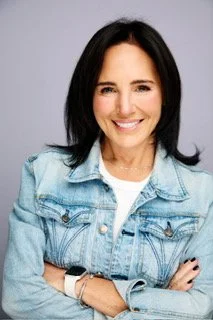
About Kelli Franchetti
Kelly Franchetti is the Co-Founder and Chief Executive Officer of The Patient View. A former emergency medicine nurse, and current rare mom - she brings over 20 years of clinical, research, and patient engagement expertise to the life sciences industry. Kelly is recognized globally as a leader in elevating the patient voice, advancing healthcare quality, and shaping strategies that improve both clinical research and patient experience.
-
Sara Payne [00:00:08]:
Welcome back to the Health Marketing Collective, where strong leadership meets marketing excellence. I'm your host, Sara Payne. For many healthcare marketers, it's brand planning season. If you're not already in it, you know it's just right around the corner. Teams are looking at what's working, what's changing in the market, And what they will invest their time and budget in over the next 12 months. It's the season where some of the biggest strategic decisions are made. Today, we'll talk about where patient insights fit into brand planning, why many organizations wait too long for patient feedback, and how hearing from patients earlier can change everything. Today's guest has dozens of stories from brand teams that have changed strategies Based on patient insights and others who realize too late that they should have asked first.
Sara Payne [00:00:58]:
Kelly Franchetti is CEO of The Patient View. She's also a nurse, a rare disease mom, and someone who has spent years helping healthcare organizations gather patient insights and shape everything from brand strategy to creative campaigns. She's also one of my favorite returning guests. Kelly, welcome back to the show.
Kelly Franchetti [00:01:18]:
Hi, Sara. Thanks so much for having me. Super excited.
Sara Payne [00:01:22]:
Yeah, I'm thrilled to have you here. As we said in the intro, it's, it's a very timely season here. We're headed into brand planning season. So let's talk about that. Let's start there. When you think about the typical healthcare brand planning process, where do you usually see teams spending most of their time?
Kelly Franchetti [00:01:46]:
Wow. I feel like most— what I think is out there is a lot of them are spending time kind of testing the messaging after they're working through all of this and then going out there testing the idea, testing the messaging, things like that, but not really once it's kind of locked in. And that's where I think it's so important to kind of Backtrack a little bit and look at if we're looking at brand planning, this is kind of the best time to bring that patient voice into the conversation. One, it's a lot easier to make good decisions now rather than kind of changing course in six to eight months, and it's also cheaper to kind of get that up front. And it's so important because you really, when you're looking at it from a patient. Perspective, they really belong in the room during those strategy discussions, positioning, messaging pillars, tactics, while you're developing them and not at the end to just kind of test them out to see if they work. So really what we want to look at is I feel like a lot of times that patient side of it is just kind of a validation step at the end. And what we want to do is kind of move that up to the beginning of the conversation and have it really be foundational, kind of the architecture of what you're putting together.
Sara Payne [00:03:17]:
Yeah, that's fantastic. Um, when you say beginning, right, I don't want to make an assumption in my, my brain on what beginning means. I mean, obviously beginning means the beginning, but yeah, really, like, like unpack that a little bit, right? So that we're, we're all dialed in and understanding Right, where we're at when we're choosing to bring in those patient perspectives?
Kelly Franchetti [00:03:44]:
So I always say the earlier the better. So at the very beginning, the minute the brand planning teams are sitting down and saying, okay, it's time, like, let's start looking across the board, what are we going to be doing? What are we looking at? That's the time to also be considering how and when are we going to bring in the patient perspective. And they should really have a seat at that table early on. You know, if we're going to— if we're saying we're going to start developing messaging in the next 2 to 3 months, we should be talking to the patients now so that we have all of that input for what's coming down the road. And I think across the board, it's just so important when you're looking at The people that are going to, you know, begin a treatment or engage in any kind of support program that, you know, we're planning out over the next year, they should really have a meaningful opportunity to kind of shape that experience.
Sara Payne [00:04:46]:
Yeah, no, that's really helpful context. You've mentioned before that even very experienced marketing teams can make assumptions about patients without even really realizing that they're doing it. What are some of the common assumptions that you see over and over again?
Kelly Franchetti [00:05:02]:
Yeah, I think, you know, and it's— we have worked with some really, really strong, you know, marketing teams and even the strongest teams, they're usually optimizing for the disease or, you know, for the brand story and not always, you know, how a patient actually is experiencing their journey kind of day to day. So I want to be very mindful. And I think it's really important that the gap isn't a failure kind of expertise. It's more, you know, marketers are living kind of inside the brand and patients are living inside the condition. And so I think some of the things that we see a lot is, you know, marketing teams assuming that the biggest pain point for patients could be, you know, diagnosis or access and that planning around that. And oftentimes it could be something, you know, that's mundane, like insurance friction or side effect management or just not knowing kind of what does normal progression look like. So I think, you know, that's one of the assumptions that we see. And I think we see a lot of message testing.
Kelly Franchetti [00:06:19]:
And I think it's really important to note that, you know, message Messages are a lot of times tested for clarity and for appeal from a marketing perspective, and not for how they're landing emotionally or how they're landing for patients at different points in their journey. For instance, you know, a newly diagnosed person, patient getting on therapy, very— they hear things and they experience things very differently than someone that's 5 years into this disease. So really kind of stepping back and looking at messaging and how we're talking to them and how does it— how are we pulling across kind of progression and from the newly diagnosed all the way through? And then I think also, you know, some of the things we see are support programs really being designed from an operational perspective. And how easy it is to deliver, and not so much focused on what do the patients actually need in the support program. So I think there are probably a couple of things that we see, and it's so important. Again, I want to say it's not that the marketing teams are not doing a good job; it's really that patients and brand teams. are looking at that same condition, right? But they're looking at it from 2 completely different lenses or vantage points. So planning season is really when we can close that gap.
Sara Payne [00:07:58]:
I love that. Yeah. So many great points you made there, Kelly. I wanted to go back to that beautiful frame that you provided, which is exactly what you just talked about. It is the, the brand team, the brand leaders sitting inside the brand and the patients sitting inside the condition. I mean, that— I wrote that down because it just really resonated with me. You're right. And we have to be really careful about minding that gap because that's the reality of the lens, right, from where we sit.
Kelly Franchetti [00:08:28]:
True.
Sara Payne [00:08:29]:
And I also love hearing stories. And to your point, right, these are, these are smart, sophisticated, experienced, brand teams. We don't want to throw anybody under the bus, but do you have any examples where we, you know, we could protect identities here, but a team was really convinced that they understood their audience and sort of what happened when they actually went around to putting those ideas in front of patients and how then that feedback really showed them perhaps they'd waited too long? to get it in front of patients?
Kelly Franchetti [00:09:04]:
Yeah, absolutely. I have a couple of examples. I'll give you a kind of one that's from triple-negative breast cancer. And we've done a lot there all the way, you know, early on from clinical trial discovery all the way through to commercialization. This really speaks to kind of messaging, creative, and putting together campaigns. You know, when you talk about breast cancer, everyone just automatically thinks pink. pink, Susan G. Komen, early detection, early cure.
Kelly Franchetti [00:09:39]:
And we found and brought back to the marketing team, because that was really where their head was at the time, that that did not resonate with this patient population. And, you know, that kind of theme and thought process really belonged to a different disease experience and not theirs.
Sara Payne [00:09:59]:
Hmm.
Kelly Franchetti [00:10:00]:
And that, you know, that early detection message was very very difficult for the triple-negative patients. And it really gave the marketing teams some food for thought of we're not looking to have that reassuring messaging like we do for HER2-positive, HER2-negative types of breast cancer. It doesn't carry that same kind of benefit. So they really shifted it once we had all of these conversations and they moved away from kind of the pink ribbon, the awareness cues, the early detection framing. And they really moved towards messaging and a color palette and a campaign that creatively spoke to the triple negative patients. But they were involved in it all the way through. You know, the minute the marketing team kind of took a step back and said, this, this is not going to work, what we thought we were going to do. Let's now co-create it with the patients.
Kelly Franchetti [00:11:03]:
And that, I would say, was probably one of those big aha moments from really kind of changing that disease category kind of playbook that everybody has and taking that deeper dive. And it meant so much to the patients. And I think, you know, the marketer, the marketing team loved it and the pharma company absolutely loved it. You know, they've They've really built something different now for, for that patient population and the way that they speak to them.
Sara Payne [00:11:36]:
Yeah, I mean, just what you're describing there, I can feel how they must have felt very seen, right? And how powerful that is, right, as, as a brand, as an organization to deliver that, to bring that forward and allow this patient population perhaps to be seen in a way that maybe nobody had ever really fully realized or done for them in the past, right?
Kelly Franchetti [00:12:04]:
Like, exactly.
Sara Payne [00:12:04]:
Wow, that's, that's an amazing thing.
Kelly Franchetti [00:12:07]:
And it was so neat because it was such an iterative process that once the marketing teams kind of took it back, brought it all in, they had, you know, 3 or 4 different concepts that they then put together based on everything. We then went back and put those in front of patients and they could weigh in on what the taglines were, you know, what the creative looked like, everything. And not only was that like so powerful, but the patients themselves said so many times as we were going through it, you know, this is so amazing that you're allowing us to kind of weigh in and give our opinions and It, it was, it was one of the most kind, I guess, for me and for the marketing team. You know, it was very emotional. It was very— it has stuck with us for a long time. Whenever I see them, we talk about it a lot. So yeah, that was, that was like a big switch up.
Sara Payne [00:13:11]:
Yeah.
Kelly Franchetti [00:13:12]:
Another probably really good— and this won't be throwing anything under the bus. This will just kind of show you kind of the power of it in Lysomal storage diseases like Pompe, Fabry, Hunter syndrome, all of those that kind of fall into that LSD area. We had— they were looking at a patient support program and the design. And rather than designing a support program and then, you know, testing it after, like design first and then test, they came to us and the work started with patient journey building, which I absolutely loved. And it came from real patient conversations. And they really wanted to map out the personas within, you know, this disorder. And what was the diagnostic treatment like? What were their treatment journeys, things like that. And what, what really surfaced was their needs are not static, like they're constantly kind of evolving.
Kelly Franchetti [00:14:17]:
What a new, new patient, new caregiver needs is very different than somebody that's been in it for a while.
Sara Payne [00:14:23]:
Yeah.
Kelly Franchetti [00:14:23]:
So we really had— they were able to kind of build out this patient support program that evolved. So the case managers could come in and find, where does my patient kind of sit in this persona, and could put them into that persona. And that would be the content that they delivered up and the cadence that fit all of those different personas throughout. I think that was probably one of the greatest examples of, you know, what you can do by starting early. We know we want a support program. Let's do the patient journey and patient persona mapping. And that kind of fed into every part of it.
Sara Payne [00:15:08]:
I love that. 2 really great examples there. One thing, Kelly, that stood out for me in our prep conversation was This idea that a lot of marketers hear patient insights and think, you know, great, another market research project, but that's not really what you're describing here. Can you sort of explain the difference in the approach here?
Kelly Franchetti [00:15:32]:
Yeah, I think, you know, traditional market research is something that definitely is not going to go away and needs to stay in it. I think it's something that we can do patient insights in parallel at the same time. A lot of, you know, traditional market Market research usually is, you know, testing out a hypothesis or message testing, concept testing, things like that. Patient insight work is, is, it's, it's at a different stage. I would say it's really meant to shape the hypothesis before it's fully formed, you know. So and it's in patient insight work is a lot faster, moves, moves a lot quicker. You know, the traditional 12+ weeks of market research that goes into it, that's not the same for, for patient insights. It's very quick, it's lightweight, it's fast.
Kelly Franchetti [00:16:31]:
It can be built kind of right into that planning process, but definitely goes hand in hand with, you know, market research at some point down the line. And I think probably that's one of the biggest things is, you know, market research is out there. after and you're testing something out, we're helping develop— the insights are helping develop everything and shape that hypothesis that you're going to go out there and test out.
Sara Payne [00:16:57]:
Yeah, love that. Yeah, you read my mind because I was going to ask, how long does something like this typically take? And obviously, it's going to vary depending on what you're looking to accomplish and what you're trying to build or shape. Yeah. But I did want to talk a little bit about both timeline and How much does this realistically cost?
Kelly Franchetti [00:17:15]:
Yeah, absolutely. So when you're talking about insights, like we can spin up an insights program fairly quickly unless we're talking about kind of really, really in-depth rare disease that's, you know, orphan. That could take a little bit longer to get a little bit of patients, but we could really spin it up within a few weeks and report out on it. It's something that, you know, we can be soup to nuts done and over with within a 2 to 3 week time period, depending on, you know, kind of what we're going to do. And sometimes it can go up to maybe around 8 weeks if we're having a big, you know, if we're doing a big insights program and there it's multi-leveled and, you know, things like that. But it's really fairly quick. We can, and you can get a lot of insights from a very small budget. I think that's something else that, you know, when these marketing teams are very used to really big budgets that are coming from market research, and that is not the case for insights.
Kelly Franchetti [00:18:25]:
You can, we have done programs that range at $10,000 to $15,000. And they're getting, you know, 80 slides of information all the way up to, you know, in a few hundred. Yeah. But it really just depends on what they're looking at. I think, you know, one of the things that is so important is to know where your budget is going into it. If you only have 10, 20, 50, whatever you have to spend, You can get a really robust program within that budget.
Sara Payne [00:19:04]:
Yeah, I'm glad that you, you know, were willing to go there and provide some examples there and some ranges, because I do think that's one of the big myths that needs to be debunked here is because I think a lot of people just make this massive assumption. I don't have time and I don't have budget. Right. And it's not even getting appropriately considered. And then obviously, as we you know, talked about in some examples, there could be some consequences to that. And so, you know, at a minimum, at least a conversation around what might this look for our organization and can we fit it in both from a timeline and a budget perspective.
Kelly Franchetti [00:19:39]:
Yeah.
Sara Payne [00:19:39]:
Let's also talk about advisory boards because some people might be thinking, well, I have a patient advisory board. Is there a distinction between this process and where advisory boards provide the best value and where they're not designed to answer certain questions, which really is what you are talking about here in terms of that front end really shaping and building things.
Kelly Franchetti [00:20:07]:
Yeah, so I love advisory boards. Um, we do a lot of them. I think there's some key things that go into it. I think it's really important when you're putting together an advisory board that you have some kind of research that feeds into why you're picking the patients that you're picking. So that is something that we feel really strongly about, is doing a little bit of qualitative, whether it's, you know, one-on-one or some little small focus groups, and then kind of picking your advisory board from that because you want to make sure that you're getting a large swath of opinions and everything. And you also, I think a lot of times on advisory boards, you tend to pick the people that are talking about it a lot and that are out there. And, and they, the other voices can sometimes not be heard as well when you have some of the people that do really well on an advisory board.
Sara Payne [00:21:11]:
Hmm.
Kelly Franchetti [00:21:12]:
So I think first and foremost is really making sure that you're picking it smartly. So you're doing a little research ahead of time. I think secondly, it's really, really important to consistently be changing that advisory board up anywhere between that 12 and 18 month mark. You need to be kind of changing them out and you really should have, if you have an advisory board, Have a little bit bigger of one. If you're only going to talk to maybe six patients at a time, have like a group of twelve that you can pick from, so you're not going back to the same each and every time. So that's one of the things that we we suggest when we build out our advisory boards. We're going in and saying we're going to overbook. We're bringing in ten patients and.
Kelly Franchetti [00:22:05]:
For this particular one, we're gonna pick these 4. And for the next conversation, it might be others. And it really depends on, you know, where they are stage-wise. You wanna make sure that you have kind of a broad swath to pull from. So I think that's, you know, really important. They're really good for, you know, specifically around a focused question or a focused conversation. That's really tied to a specific decision. That's when I think advisory boards work the best.
Kelly Franchetti [00:22:41]:
But I, I caution everybody to say advisory boards are not kind of covering that broader swath. You still want to talk to the real everyday patients that are in it to make sure that you're kind of covering off on both ends.
Sara Payne [00:22:59]:
Yeah, no, great advice. And, you know, there's a lot of reframing inside of this conversation, right? The patient insights isn't replacing market research. It's not market research. It's not advisory board, right? Like all of these things have a place and a role, but they're filling a different need, really. And I think those reframes are really, really important.
Kelly Franchetti [00:23:23]:
Yeah.
Sara Payne [00:23:25]:
I also want to bring agencies into this conversation. How does bringing patient insights into the process make agencies stronger strategic partners?
Kelly Franchetti [00:23:36]:
I think, and we're talking when we say agencies like AORs, agencies of record that are, yeah. So I think, you know, for an agency, getting that deeper knowledge of the patient is excellent. I think that makes them a phenomenal partner because They're really good at what they do. And by bringing in and partnering with, you know, patient insights and these agencies can really excel at whatever they're being brought into for, you know, whether it's commercial, commercial activation, putting together the support programs, all of those things by them having kind of a finger on the pulse with insights. And working with an insight company to know that patient population and build it out and build that internal knowledge, I think it does nothing but strengthen. I think it's something that we're seeing the pharma companies ask a lot about. It's, you know, it's not the way it used to be years ago where they, you know, it was just the agency and they kept using the same agency. I think it's a lot.
Kelly Franchetti [00:24:48]:
I'm seeing a lot more competition. They're, they're not no longer just the AOR and they get all of it. You know, a lot of pharma is really looking at, you know, do you know, what do you know about the patient population? And by having some of those partnerships that we have with AORs, it strengthens their position. Like, we'll, we'll come in and sit in on any of the bid defenses or any of those things to bring that patient perspective in by talking to some patients prior to bringing a little bit on to say, hey, here's what we know. As we continue to develop this, this is what we're going to do with patients in the future and continue that feedback loop.
Sara Payne [00:25:33]:
Yeah, that's so smart. So smart. So if I'm, I'm planning next year's marketing strategy. I don't have unlimited resources. I might have the budget or time for one patient insight initiative. You know, how do I think about where to focus? I mean, obviously, it depends on business priorities and objectives.
Kelly Franchetti [00:25:59]:
Right.
Sara Payne [00:26:00]:
But, you know, just walk us through a little bit of that conversation that you tend to have with your clients when determining You know, where we're going to spend the dollars on this.
Kelly Franchetti [00:26:12]:
Yeah. Yeah. I think, you know, we do— we have that conversation a lot because budget is— budget is huge. Everybody's, you know, bottom line. So we always tell our, you know, our different teams that we talk to if they have, you know, issues with budget, issues with timing, things like that, you really want to look at a few things. One, we always recommend Focus it. If you're going to spend it and you have a little bit to spend, focus it on the front end. Always put it on that front end and be specific.
Kelly Franchetti [00:26:46]:
Informing messaging pillars, informing your strategic priorities, like helping kind of shape that rather than saving it for that message testing at the end. It's important to remember, like testing confirms. early input shapes. So always, if you have a little bit of budget, let's move it to the forefront and let's decide what can we do with this budget? How can we max this out? If you're forced to kind of choose something, a format for a very low budget, a small focus group-focused advisory board convening around one specific planning or 2 specific planning questions probably is what's going to deliver the most reusable insights per dollar if we're, you know, looking at something very specific. And it's something that can be revisited. So that's something to consider if, if you have low budget and, and, you know, something like that. I would say Like some of the things that brand teams should be doing or could be doing, loop in your medical and your support team, your patient support planning teams.
Sara Payne [00:28:08]:
Hmm.
Kelly Franchetti [00:28:09]:
Those colleagues, because they can sometimes have feedback that might already be sitting in the CRM, in the notes, in the call logs, things like that. So definitely, you know, bring them in early and that can help with your brand planning conversations. I think also looking at your year as you're planning out your calendar, put a checkpoint on that calendar, pick a date with the team that says we're all going to check in on do we have patient insights? Do— where are we with this? Like, is this even a possibility? Stick it on the calendar. so that you can have the conversation.
Sara Payne [00:28:48]:
Yeah.
Kelly Franchetti [00:28:49]:
It might be a few thousand dollars that you can put into it. You can do something with that from an insights perspective, and maybe it builds for the next year. So always kind of build it into your plans so that you're talking about it and thinking about it. And I always say, ask one very, very honest internal question before you finalize anything in the marketing teams. Where in this plan are we assuming what the patients are thinking versus do we actually know? And that question, I think, tends to really surface, like, where are our gaps and what do we need to address?
Sara Payne [00:29:37]:
Love it. Love it. So great. Yeah, I mean, you touched on so much there from where, how to plan for this, where the ROI is, right? How to get the strongest ROI, who to involve, what questions to be asking. I love the point too about thinking about this in terms of the seasons of your marketing team, right? Like everybody has that repeatable calendar that every year in March we do this and in June we do that and October we do that.
Kelly Franchetti [00:30:07]:
Right.
Sara Payne [00:30:07]:
Make sure, to your point, that this check-in milestone is on the seasons of your marketing team because we're all guilty of this. Time flies so quickly that it might seem like you just had this conversation yesterday when reality, you know, 18 months has gone by before you've really revisited this question and taken a really serious consideration on it internally.
Kelly Franchetti [00:30:33]:
Yeah.
Sara Payne [00:30:34]:
No, so many great insights here, Kelly. If a brand team gets, say, 6 months into executing next year's plan and they're realizing maybe things aren't landing the way that they hoped that they would, what's usually— what are some of the first signs that maybe they've built the strategy on assumptions instead of actual patient insights?
Kelly Franchetti [00:31:02]:
I think, you know, there's probably a few signs. There's early— it depends on what we're talking about. If it's, you know, commercial activation and we are not getting patients that are starting on therapy or continuing or just go for that first script and then they fall off, that could be kind of an early sign of something. Maybe there's something missing. Is it our messaging? Is it Is it our— is it our support program? Do patients understand, you know, insurance versus coinsurance? Like, are we missing something in being able to either market it to them or put together in their patient support program? Is there something missing? So I think really it's kind of, you know, that drop-off, or if they're getting— they're not getting any hits on— if they're building out a website and they think that, you know, this is where everybody's going to come for all of this information that we're building and Nobody's really coming. Are we talking? Are we? Did we make an assumption of what patients want to know, or do we know that this is what they need and this is what they're looking for? So I think you know, and and it's never ever too late. Like I think that's another really important thing as you bring this up. You know, when you start to realize, wait a minute, this isn't actually going the way we thought it would or had we hoped.
Kelly Franchetti [00:32:30]:
That is a moment where you can, you know, hit a pulse check. Like, let's do a quick pulse check out there with patients. We can find that out, you know, very quickly in 2 to 3 weeks. We can just kind of get out there with the patient population and find out, is there— or did we miss something? Is there a link that we missed? What is it? And—
Sara Payne [00:32:54]:
Smart.
Kelly Franchetti [00:32:54]:
Really very quickly, you know, it might be something as simple as the verbiage. The way patients talk about something may be completely different than what, what's being put out there right now.
Sara Payne [00:33:07]:
Yeah, that's so smart. I love the pulse check. There's so much goodness wrapped in this conversation today, Kelly, that I feel like we are putting brand teams in, in a good position heading into brand planning season here. And, you know, at the very least, getting them to maybe think different about how they've approached it in the past, get past asking at a minimum this critical question. And I think you've made it pretty clear, right, where those consequences can come in and where the true ROI comes in making this investment.
Kelly Franchetti [00:33:43]:
Yeah, absolutely. And I think so important, planning season does not need— does not mean Bigger budget. I think that's I think that's probably the most important thing is I think probably everybody on these teams wants this, but you want it and you think it's really important. But the thought process usually is oh you know I don't think we could do it with our budget, and it does not. You don't need a bigger budget to include the patient voice. You just need to give them kind of an earlier seat at the table for it.
Sara Payne [00:34:18]:
Yeah, absolutely. Well, that'll be music to a lot of people's ears, I think, here heading into planning season. And, you know, I love that this conversation really is about helping people make better decisions, right? Before we spend months building campaigns and these support programs and the creative, let's spend that time upfront to make sure we've got everything pointed in the right direction. Kelly, thanks so much for coming back to the show today. This was amazing.
Kelly Franchetti [00:34:44]:
Thank you so much for having me. Great conversation. Thanks.
Sara Payne [00:34:48]:
Yeah. And remind us, Kelly, what's the best way for listeners to get in touch with you?
Kelly Franchetti [00:34:53]:
They can absolutely reach out. We have a website, www.the-patientview.com, and you can find me on LinkedIn. I'm always on there. You could message me there or you can email me at kfranchetti@the-patientview.com.
Sara Payne [00:35:17]:
Wonderful. Thanks again, Kelly.
Kelly Franchetti [00:35:19]:
Thank you so much.
Sara Payne [00:35:21]:
And thank you all for joining us on the Health Marketing Collective, where strong leadership meets marketing excellence because the future of healthcare depends on it. We'll see you next time.
Who Should Be Our Next Guest?
Contact us at connect@inprela.com with your suggestions for guests who are making waves in Healthcare marketing.