
Unforgettable or Nothing: Raising the Bar on B2B Health Creative
Welcome to the Health Marketing Collective, where strong leadership meets marketing excellence.
In today’s episode, host Sara Payne sits down with Mike Cronin, Cofounder and Chief Strategist at Verve, to explore the evolving landscape of creativity in B2B healthcare marketing. Mike, whose impressive résumé includes brand and campaign strategy for UnitedHealth Group, Blue Cross Blue Shield, Optum, and revered consumer brands like Harley-Davidson and Samuel Adams, brings a rare blend of creative vision and strategic rigor to his work. His fundamental belief? That creative work’s purpose is to move people, not just fill space.
In this conversation, Mike and Sara dive deep into how B2B health brands can move beyond “safe” ideas and unlock emotionally resonant, unforgettable campaigns—even within highly regulated and risk-averse spaces. They discuss why simplicity is a superpower, the importance of strategic “boxes,” and how marketing leaders can create environments where big swings are encouraged, not stifled. Along the way, Mike shares memorable stories from his work (including a campaign that fused Lizzo’s “Good as Hell” into healthcare advertising), offers insight into the universal human truths marketers often miss, and outlines what separates teams that produce great creative from those that simply make noise.
Thank you for being part of the Health Marketing Collective, where strong leadership meets marketing excellence. The future of health care depends on it.
Key Takeaways:
Creativity Thrives Within Constraints: Mike challenges the conventional wisdom of “thinking outside the box.” He argues that true creativity is often unlocked not by limitless freedom, but by well-defined strategic constraints. It’s within the confines of a focused brief—what Mike calls “the freedom of a tight brief”—that intelligent, emotionally resonant ideas emerge. Rather than aiming for “crazy” or “flashy,” the best creative is smart, intentional, and purpose driven.
Emotion and Human Truth are Universal, Even in B2B: B2B often gravitates toward rational benefits: cost savings, efficiency, or productivity. But, as Mike notes, even financial administrators and clinicians are humans first—they respond to messages that tap into universal emotions and experiences: hope, fear, dignity, and relief from frustration. Brands that connect on this human level, rather than just touting features and benefits, become memorable and meaningful.
Strategic Alignment is the Key to Unlocking Great Creative: Teams that produce truly breakthrough work consistently prioritize strategy. When everyone is aligned on the core insight and brief, creativity can flow freely within those parameters. Conversely, weak or vague direction leads to “safe,” generic campaigns. Mike’s experience shows that great creative always starts with a shared, sharp strategic foundation.
Boldness is Essential for Breaking Through the Noise: Healthcare, especially B2B, often defaults to playing it safe (“everything’s blue”)—but in a crowded marketplace, standing out is non-negotiable. Mike advocates for boldness that is grounded in the brand’s truth and strategically anchored. The result: unforgettable, not just noisy, marketing.
Leadership’s Role: Foster Honesty, Empathy, and Trust: Leadership sets the tone for creativity and trust. Mike urges CMOs and marketing leaders to lead with clarity and honesty—eschewing “BS” and toxic positivity for real, truthful dialogue about challenges and opportunities. Teams (and audiences) respond to authenticity; when leaders call things as they are and create space for truth, better work results.
Resources and Contact: Want to connect with Mike or learn more about Verve’s approach to strategic creativity? Visit madewithverve.com or reach out directly at mike@madewithverve.com.
Thank you for joining us for this energizing episode of the Health Marketing Collective. If you enjoyed the conversation, please subscribe wherever you get your podcasts—and remember, the future of healthcare depends on strong leadership and marketing excellence. See you next time!
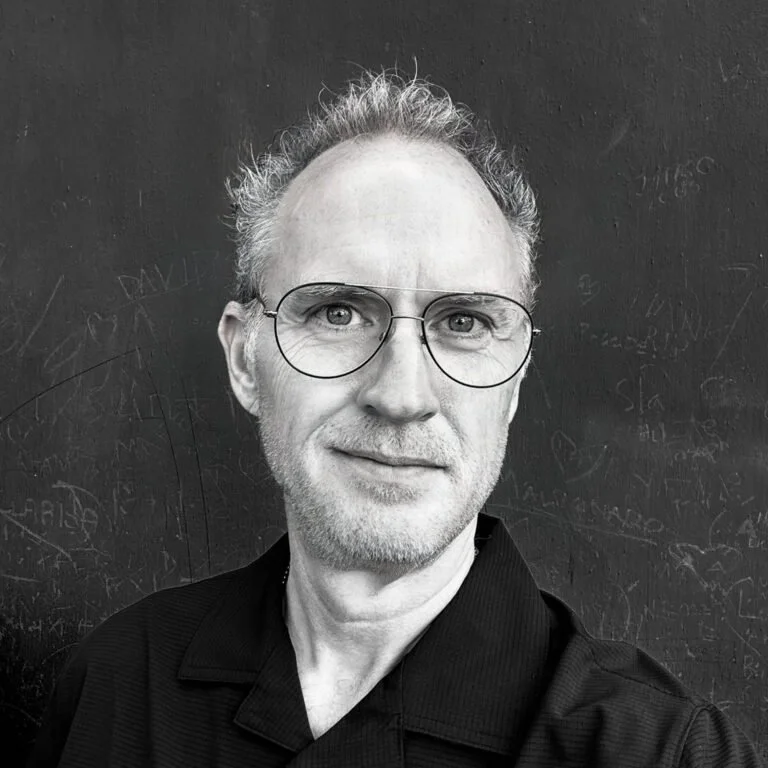
About Mike Cronin
Mike Cronin, Co-founder & Chief Strategist at Verve
Mike has made a career out of crafting strategies that tap into universal human truths to move hearts and minds. Having honed his skills as a writer and creative director, he knows what it takes to ensure strategies don’t just inform but truly inspire creative work. His experience includes campaigns for national healthcare clients like UnitedHealthcare, Blue Cross Blue Shield, and Optum as well as consumer and B2B work on brands such as Harley-Davidson, Polaris, 3M, Cargill, Samuel Adams Beer, and Transamerica.
-
Sara Payne [00:00:10]:
Sara Payne [00:00:10]:
Welcome back to the Health Marketing Collective, where strong leadership meets marketing excellence. I'm your host, Sarah Payne, and I'm bringing you fascinating conversations with some of the industry's top marketing minds. Today, we're talking about the future of creativity and health marketing, and why it's time for b two b brands to raise the bar. My guest is Mike Cronin, cofounder and chief strategist at Verve. He's built a career around one clear belief that creative work should move people, not just fill space. He's led brand and campaign strategy for some of the biggest names in health care, including UnitedHealth Group, Blue Cross Blue Shield, and Optum. He's also worked with iconic brands like Harley Davidson and Samuel Adams. Mike brings a creative lens to strategy and a strategic lens to creativity, and he doesn't shy away from telling it like it is.
Sara Payne [00:01:05]:
If you've ever struggled with uninspired briefs, safe ideas, or campaigns that just blend into the noise, this episode is gonna fire you up. We'll talk about how to unlock emotionally resonant creative work in healthcare, why simplicity is a superpower, and how marketing leaders can build teams that actually want to swing big. Welcome to the show, Mike.
Mike Cronin [00:01:28]:
Thanks for having me. Looking forward to the conversation. Yeah.
Sara Payne [00:01:32]:
I'm excited to have you here. Let's let's get right into it. From your perspective, how is creativity evolving in b two b health care marketing? What shifts are we seeing?
Mike Cronin [00:01:44]:
Well, I think big one is frankly that it can the marketing can appear anywhere now. So instead of being, confined to spaces where we would traditionally see B2B, messages happening, they're now being sprinkled in with your social media feed, LinkedIn, of course. It it's just appearing everywhere. So that's a vast shift in how we have to think about how we break through with creative. So, you know, how do you compete with consumer brands that are appearing in social feeds, even though your message is a b to b message?
Sara Payne [00:02:31]:
Yeah. Great point.
Mike Cronin [00:02:32]:
Yeah. Yeah.
Sara Payne [00:02:33]:
Great point. Another thing I know you're you're passionate about is is moving beyond the idea that creativity equals flashy campaigns and really seeing it as more, more and more of a of a strategic lever. How can we how can we continue to embrace that shift?
Mike Cronin [00:02:57]:
Yeah. Good, good point. You know, it tends to be people when they think about creative it's, it's like you said, people think flashy. It's gotta be crazy, some awful wall idea. To be honest, we we've my my partner and I, at the firm have always felt that creative, there's a lot of room for creative within the confines of very defined parameters. So, a lot of people think about creativity as, you know, outside the box. Right? Think outside the box. No, I want the box.
Mike Cronin [00:03:38]:
Give me every defined parameter there is because there is a ton of room in there to be smart and creative. So we're not, we're not just doing it to get attention. We're doing it because, you know, we're in this profession to to make things happen for our clients. And if that means we have to stick within some guideline, that's fine by us. We just wanna know right up front what that guideline is. So the mistake people are making is thinking it's a wacky idea is what creative is about. No. Creative is about actually finding incredibly intelligent ideas that can break through within a very defined, box.
Sara Payne [00:04:27]:
And they can still be fun, funny, humorous Absolutely. Inside of that box if that is strategically the right direction for the brand, for the campaign, whatever the objective is, whatever the right audience is. Right? If that is strategically the right direction. So being in the box doesn't mean boring, dull. Right? Uninteresting. Actually No. I think what you're saying is quite the opposite is we have to make sure it's strategically anchored first, and that's where the creativity should be focused. And then inside of that, appropriately, we can dial in these elements of, you know, fun at an appropriate level.
Mike Cronin [00:05:08]:
Absolutely. Absolutely. Like, you you set up this whole thing with that philosophy that we hold dear, which is you have to move people. So no matter what you're doing, it's about moving them both in their hearts and in their minds. So that's two, we, we, we view it as a spectrum, right? Like every piece of creative has to do both in some level, whether it's tapping that emotion or whether it's really hitting hard at, making, giving people reasons to believe what it is, you're saying. Every piece of creative has to do that. So as long as, we're able to move people in that way, happen to emotion, you can do that in different ways. And that's all we're saying is creative.
Mike Cronin [00:06:00]:
As long as it's doing that, it's doing its job.
Sara Payne [00:06:04]:
Yeah, absolutely. Another thing that you've said is we're either trying to make something unforgettable or we're just making noise. And that line really stuck with me. How do you think that idea idea applies to health care marketers, especially in b to b where it can feel a little risky sometimes to I'm gonna use the word bold, be bold. You know, this this notion of unforgettable obviously could have a lot of different definitions associated with. But what's your reaction to that?
Mike Cronin [00:06:41]:
Yeah. I mean, look, we're making marketing, and the whole point is people need to remember your message, whatever that message is. So that's where that's coming from is, why are we doing this? If, if somebody's gonna see your message and then the next minute, forget it. Yes. So being bold is about breaking through enough again, that it people not just, don't just see it, but feel it. And I think it's easy for, especially, you know, I've seen it in healthcare brands. It's like, let's not let's be blue. Every everything's blue.
Mike Cronin [00:07:27]:
Let's let's stay within our color palette. And and I think that can be right for many brands. But if everyone's blue, then how do you stand out? Right? Right. Like, can we look for a different approach? And again, much more likely to be remembered if we approach it with, oh, you're orange. That's a very simplistic idea, but but you get the point.
Sara Payne [00:07:56]:
Yeah. Absolutely. Absolutely. What are some of the universal human truths that b2b healthcare marketers should be tapping into more, but often miss or maybe under leveraged?
Mike Cronin [00:08:14]:
That's a big question.
Sara Payne [00:08:16]:
I know. I know.
Mike Cronin [00:08:17]:
Yeah. Yeah. I think it's easy for healthcare to fall into the trap of, putting people into defined sort of ideas about who they are. I think recognizing that there is no matter who we are, whether, you know, our our ethnicity, our background, our socioeconomic background, we all experience similar, issues. Right? And so tapping into truth, like we're nervous about visiting doctors or, we are, we may have grown up in a, where we're afraid to go into a hospital or whatever, whatever those truths might be. It makes you as a brand, if you can tap into that, really feel like you get people. And that's our goal. Right? We wanna feel like we get people.
Mike Cronin [00:09:36]:
So I think I'm I'm sort of taking us back to this idea of there's so many ways we can parse audiences these days. We can get into such granular detail on who our audiences are and, you know, their, journey, what, where are they at in their journey? Sometimes stepping way back and saying, what is it that we all experience as humans? Yes. Can be a smart way to tap into that emotion. And so that's what we try to do is look for those sort of very basic things that make us all, a part of one another. We, we feel, human because we all experience these things. We we like to look for those.
Sara Payne [00:10:31]:
Yeah. I I love that about your work and your approach at at Verve having experienced it myself. And I think when I think about this topic, this conversation, I think it tends to be a little easier for the consumer brands. Right? And a little a little stretchier, a little harder in b to b marketing, advertising, insert, right, whatever discipline here. On the b to b side, we tend to maybe not be as closely aligned to some of those, human truths. Right? We tend to focus on cost savings or faster workflows or efficiency or minimizing burnout for clinicians. Those are all wonderful things, but they are a a step away from and not as, you know, strongly, clearly aligned to some of those core human truths, like on the positive side, hope, right, or dignity. On the more negative side, fear.
Sara Payne [00:11:36]:
You brought up, nervousness, fear. That's a big one. And so I think that's an opportunity from my perspective for b to b brands to your point. We are competing on all of the same channels with b to c brands. And so we really wanna get get through the noise on that. We're gonna have to be unforgettable, and tapping into those core human truths is absolutely a way to create that resonance, and achieve that.
Mike Cronin [00:12:08]:
Yeah. Totally. And good point. You know, again, the financial administrator at a, at a local clinic that needs to decide, you know, who they're gonna partner with for their, whatever it may be. They're human. And so again, a cheaper plan, a cheaper plan or a, a more, a product that helps them with being more productive on their end. You can phrase that, or you can put that you can position those products in a way that, again, taps into that human desire for, like, I don't wanna be dealing with all this headaches. Right.
Mike Cronin [00:12:53]:
We're all human. Nobody wants to do paperwork or wherever it might be. So if there's a way we can tap into that piece of their humanity versus just going right to saves time, saves money. You know? How can you how can we put it in a way that, really makes them feel like, oh, you get it. You get what I'm going through.
Sara Payne [00:13:17]:
Yeah. Yeah. Absolutely. You've certainly worked with a lot of different brands across your career. What what do you see as the difference between teams that unlock great creative and those that don't?
Mike Cronin [00:13:32]:
Very easy. Strategy. The teams that and this is yes. I'm a strategist, but, I grew up in creative, so I get to say this. Creatives and clients who recognize the value of that creative insight or sorry, the strategic insight, they're the ones that will be able to do, more creative quote unquote work. Because, once you've aligned around that kernel, that, that interesting insight, that way of phrasing the strategic insight, and everyone's behind that, if they see it in the creative work, they're totally comfortable with it. I think the biggest issue, why you don't see that many, again, creative or, you know, crazy creative ideas in healthcare tends to be because we approach things very, I don't know, non strategically, it's like we need an ad or we need a campaign. Let's go make that thing.
Mike Cronin [00:14:49]:
Whereas if you just take one step back and say, okay, we know we need that thing. What are we trying to say? What, what truly is our insight? How are we gonna say it in a way that's different, unique to us? You know, as long as teams are committed to the idea that strategy is important, they can generally do better creative.
Sara Payne [00:15:16]:
Yeah. And and you've also said I love this line too. Give me the freedom of a tight brief. And and I think it's it's counterintuitive. Right? This idea of freedom coming under a tighter, a narrower focus, but the freedom comes from the clarity and the alignment, right, that the creatives get in understanding this is the problem we're solving for over here. Right? Now we have all of this freedom to go creatively. Right? All sorts of different directions inside of that tighter box.
Mike Cronin [00:16:02]:
That is exactly right. In fact, you know, been a lot of studies done on the value of having that tight brief. But one that wasn't in advertising that is often, pointed to. And I, I love it. It's I, and again, don't quote me on where this came from, but it was, an experiment where they, they let kids free roam in a playground. Right. And then just open playground versus giving kids a sandbox and saying, go play in the sandbox versus just go to the playground. Again, I don't know the specifics, but I do know that the kids that were given the sandbox to play in were much more imaginative with their play.
Mike Cronin [00:16:58]:
They made up new things to do. They, you know, had, whereas when they were given the sort of utter freedom of the playground, they kind of got lost. They didn't know quite where to play or where their imaginations could take them. So that's, your, listeners can look it up, but it is a pretty famous experiment. And I just believe it to be true. It's like you said, the more you know about what the problem is to be solved, the more ways you can think, the more creative ways you can come up with to solve that problem.
Sara Payne [00:17:35]:
Yeah. It's such a relatable example. Right? And and you're so right. Because if you have the entire playground, you're gonna spend half the time just testing different things and deciding which thing you wanna be doing, right? And let alone getting creative, right? And so that clarity really unlocks a tremendous amount of freedom for sure. I wanted to get into some brand examples. Can you share an example of a campaign or or a project, something that you were involved with where you were able to do something creatively different or risky, and you don't have to say, you know, who the brand or or the client was if you don't want to. But I'm curious, what made it work? You know, where you were able to do something creatively different or risky.
Mike Cronin [00:18:35]:
Yeah. I'll give an example. It's it's within healthcare, but it's, admittedly more consumer focused, but but I think it's a good example of, using being a little risky and having that stand out. So we were approached by a client who, it was health partners, which is a, a local, they provide they're like healthcare, clinics, multiple clinics and different types of programs, care providers, all over the state of Minnesota and around the region. But they also provide health plans. Yeah. So they're both, they're both sides of the coin. The issue was they had all these clinics that had different names, brands associated with them, and they wanted a campaign that helped bring all those under the umbrella of health partners.
Mike Cronin [00:19:40]:
They had to do it in a, very quick way and they had to figure out a way to do it fairly reasonably priced. Yeah. Because again, how do you bring, you know, let's say 10 or 15 different clinics under the same brand? So our idea was, a very simple device that appeared at the end of we were doing television, a television campaign that rolled all these clinic names into and under the healthcare, sorry, the health partners brand, their their logo. It was just a visual device. But the clincher was we used we needed a hook. And the hook we landed on was, do you know Lizzo? Yeah. The artist Lizzo. Yes.
Mike Cronin [00:20:40]:
She had a song. This is around the time her songs were she was starting to blow up, but this is before, that happened. She had a song called good as hell that
Sara Payne [00:20:52]:
was I know it. Know the lyrics well.
Mike Cronin [00:20:55]:
Popular. Yep. Everyone very pop driven song, and the lyrics were literally good as hell. I feel like feeling good as hell, but it had this energy to it. So the risk was we tapped into that track, set it against moments of human, interaction. So a guy trying yoga for the first time or somebody seeing their newborn baby or, a child with, cold, like her sister helping her with her Kleenexes. You know, just little human moments with this great track. But again, using the lyrics good as hell for a health plan.
Mike Cronin [00:21:46]:
But the beauty of it was it all just came together, as a unit and fit with their within their brand aesthetic of of good. They they were all about doing good. So it was a creative risk. But honestly, to this day, I don't I'm not really sure they knew that the lyric was good as hell because nobody nobody seemed to question in it.
Sara Payne [00:22:15]:
I was gonna ask you if you got any pushback.
Mike Cronin [00:22:18]:
Yeah. We didn't really get a note get any pushback. So, you know, again, credit to the client on that one as well because they saw the value in in having that hook. But
Sara Payne [00:22:30]:
Yeah. No. It's a great it's a great example, and I I remember you're telling this story. You and I didn't talk about this example before we sat down to record today. I associate that song with that brand. Like, I hear that coming from the TV, and I know that it's HealthPartners. Yeah. So just really interesting, for me to have experienced it, you know, as the consumer on the other side.
Sara Payne [00:22:59]:
And, yeah, what what a gift in in that instance. You know, you found you found alignment around something like good, and Mhmm. More broadly, feeling good worked.
Mike Cronin [00:23:12]:
Yeah.
Sara Payne [00:23:12]:
Right? It works in health care. It worked for the moment. Yeah. And not being afraid to to lean into that, for risk of a client saying, well, we can't say that word. Right? We can't say that word on TV, or we can't, you know, be a brand that's associated with that, but I love that. Like, you talk a lot about honest pragmatism and how creative people respond to truth, not toxic positivity. I think a lot of marketing leaders need to hear that. Can you say more about how that mindset shows up, or what advice you'd give to CMOs who want to lead with that kind of clarity and empathy?
Mike Cronin [00:23:50]:
What I'd say is, again, recognize it's it's very deep. We're in a environment where often we are sprinkled with BS. Right? Like we it becomes a part of our daily lives, whether it's lingo that we all use for shorthand, or acronyms or whatever, we fall into those traps because we're just sort of, it's, it's the frog in boiling water, analogy. Right? I don't know if you know this, but, you know, it's the if you put a frog in a pot of water and then turn on the the heat, they don't feel the water around them getting warm and eventually they don't jump out. Right? Yeah. That's where we're at right now. It feels like we need to recognize that sometimes we are all in this boiling pot of BS and the more we can just speak to each other as honest people, as human beings, the again, the better we're all going to be, because that's how we relate to people. I, you know, I've noticed, the more we talk about BS in meetings or, you know, cutting through BS, people really respond to that.
Mike Cronin [00:25:19]:
And I think it's just because whether it's our feeds, our LinkedIn feeds, or our, you know, the news feeds, people want an escape from it. So my advice to CMOs is tap into that human side and remember that the more real you are with people, the more trust you're going to build with them.
Sara Payne [00:25:47]:
Yes.
Mike Cronin [00:25:47]:
Because they will know if you're trying to BS them. So, even if it feels scary, use strong words, if you need to, don't try to cover over, issues or problems because people know it, whether or not they say it outright, they feel it, and that erodes the trust that they have in you. So I I don't know if that answered your question, but that's just a strong feeling I have in today's world.
Sara Payne [00:26:29]:
Yeah. And I I really appreciate you speaking that truth because I I agree with it, a %. I think there is a lot of BS or or or varnish out there, and we need more more of the authenticity, more of the, you know, saying the quiet part out loud, the the the hard thing, right, that we maybe don't want to address. We need to be willing to to really go there. And I think, as you've said, audiences will respond very positively to that because the reality is they're living that truth. Right? They are living that truth. So why would we try to pretend otherwise? Creating an environment as a brand where we speak those truths, I think offers a lot of, it's just very, I think it's very attractive to people. I think it's, it's a very emotionally resonant.
Mike Cronin [00:27:33]:
Yeah. And whether I, again, I always go back to whether or not it, it, it can be scary to be real, but people there's a, there's a resonant, there's an idea of trust that gets eroded when people aren't speaking real with each other. Yeah. Even though it might feel safe, it's not safe.
Sara Payne [00:27:56]:
Yeah. Great point. Yeah. Great point. Well, before before I let you go, I'm gonna hit you with a few quick fire questions. No no overthinking any of these. Just say what comes to mind.
Mike Cronin [00:28:08]:
Sure.
Sara Payne [00:28:09]:
So what's one word that should never be in a creative brief?
Mike Cronin [00:28:22]:
Blue sky.
Sara Payne [00:28:25]:
Goes back to your earlier point. Love it. Exactly. You're consistent. You're nothing if not consistent here, Mike. What's a health care buzzword that you wish would disappear?
Mike Cronin [00:28:38]:
Outcomes.
Sara Payne [00:28:41]:
Yeah. I feel that. I feel that. What's the most creatively inspiring brand outside of healthcare right now?
Mike Cronin [00:28:56]:
I'm gonna S I'll go with, the probably the obvious, but, Nike right now, especially revisiting their roots.
Sara Payne [00:29:08]:
Yeah. Was it them that had the big Super Bowl, ad, women empowerment that really got a lot of resonance with the audience? Yeah. That's a good that's a good one. They they are definitely honing in on those, human truths for sure.
Mike Cronin [00:29:27]:
Absolutely. So
Sara Payne [00:29:29]:
let's say you you personally are stuck on a creative problem. What do you do first?
Mike Cronin [00:29:36]:
Oh, yeah, GPT. No, I, no, I,
Sara Payne [00:29:44]:
A moment of levity here.
Mike Cronin [00:29:46]:
Yeah. Yeah. Let
Sara Payne [00:29:49]:
us into your, your creative process. Where, where do you, what do you do?
Mike Cronin [00:29:55]:
Well, honestly, I have such a tight and strong relationship with my partner in our business that I call him. And Yeah. So I I have a relationship that I can a trusted relationship that I can tap into, and that's what I'll generally do.
Sara Payne [00:30:14]:
Awesome. We should give him a shout out. Rob Burnham.
Mike Cronin [00:30:16]:
Yeah. Rob Burnham.
Sara Payne [00:30:18]:
Yeah. Last question. What's one thing that kills a good idea faster than anything else?
Mike Cronin [00:30:29]:
What I would say is overthink. So you've seen the phenomenon, you've experienced this, I'm sure, when you've been presenting an idea. And the first thing that happens is the CMO says, oh, I don't wanna talk. I wanna hear what everyone else has to say. And what that does is everyone else feels now like they have to say something because the CMO has now put them on the spot. And generally speaking, they're going to find something, a flaw before they start talking about what what they like. So not that there's never anything wrong with the creative work that gets presented, but, I
Sara Payne [00:31:22]:
know what you're saying though. It's it's it's leading with the closed mindset versus the yes and. Right? It's the old improv analogy. Like, okay, we're pitching we're pitching creative ideas, and they could be very conceptual at this point and and actually go in several different directions. We need to say, what I love about this is, and yes and that, versus thinking of all the possible ways that this could go sideways or doesn't work for the brand. So I I I feel that one for sure, and you're right. I I am familiar with that phenomenon.
Mike Cronin [00:31:57]:
Yeah.
Sara Payne [00:31:57]:
So you're saying you want this you would prefer that the CMO speaks first?
Mike Cronin [00:32:01]:
I would absolutely. If they want to. Now, but I will go back to, be okay. I'm going back to the BS thing because it's kind of BS. Everyone knows that it's gonna come back around to the CMO anyway.
Sara Payne [00:32:18]:
It's ultimately their decision. Yeah.
Mike Cronin [00:32:20]:
Right. So it's a little bit of that BS factor, that comes out. But, to your point, absolutely. Like this isn't about, there's no flaws. It's about how can we find the right before we find the wrong, because there may be ways to, position or change a campaign that are very easy to get around all the flaws. If it's right enough, we can get over the wrongs.
Sara Payne [00:32:53]:
I love that. That's such a great place to end. Thanks so much for doing this with me, Mike. How can our listeners get in touch with you?
Mike Cronin [00:33:01]:
Well, our website is madewithverve.com. And, they can always reach right out to me at at, my email, mike@madewithverve.com.
Sara Payne [00:33:14]:
Love it. Thank you again for joining me today.
Mike Cronin [00:33:18]:
Yeah. Thank you for having me.
Sara Payne [00:33:21]:
And if you enjoy the show today, folks, do us a favor and subscribe wherever you get your podcasts. Thanks for being part of the Health Marketing Collective, where strong leadership meets marketing excellence because the future of health care depends on it. We'll see you next time.
Sara Payne [00:00:42]:
In fact, they're hurting it. Today, I'm joined by Arik Hanson, social media strategist who's worked with more than 80 brands, including clients like Walmart, Sleep Number, and Dairy Queen to provide customized social media audits, strategies, coaching, and content development. Arik is joining us today to talk about why executive presence now matters more than brand voice, what outdated practices you need to ditch, and how health care CMOs can help their executives build real influence, not just rack up posts that nobody reads. If you're serious about building a brand people trust, it's time to rethink your strategy. Arik, thanks for joining me today.
Arik Hanson [00:01:22]:
Thanks for having me, Sara.
Sara Payne [00:01:23]:
Yeah. Absolutely. Let's dive right in. In today's world, why is an executive social media presence arguably more influential than a brand page, especially in health care?
Arik Hanson [00:01:37]:
What I found in all the work I've done, especially on, like, audits and LinkedIn over the last, I don't know, five, six years, is that the brand page is still essential. You still need a brand corporate, LinkedIn page for sure. It's almost like a home base, like a website on like a website on Yeah. Basically. However, most brands are seeing much more, bang for their engagement buck when it comes to people, especially leaders on LinkedIn versus the corporate page. The leader pages are usually outflanking, usually not always, usually, outflanking the corporate page sometimes by a factor of five, ten, I've seen as high as. And I'm not talking about little brands. I'm talking about big, big Fortune 50 brands, some of which are right here in Minnesota on a regular basis.
Arik Hanson [00:02:24]:
So you're seeing CEOs that are that are outpacing the corporate page, and they'll see routinely, you know, a thousands of engagements, whereas the corporate page is getting in the hundreds, the low hundreds. So that's pretty, typical in at least right now, things can change. And Yeah. I think it mostly goes back to the fact that it's a it's LinkedIn's a person to person platform, probably even more so than some of the other social networks. So, like, people wanna connect with people. They wanna have real conversations. Real conversations are still happening there, and, you know, that just can't happen from brand to person as much as it can person to person.
Sara Payne [00:02:58]:
Yeah. And, I mean, let's let's be real. We're we're both in marketing. Our listeners are in marketing. A lot of people are smart. They know the brand pages are led by a marketing department, and so it can it can sometimes give that feel, right, that you're being positioned or sold to versus that, to your point, that person to person relationship.
Arik Hanson [00:03:18]:
Yeah.
Sara Payne [00:03:18]:
You've worked in a lot of different industries, Arik. Not not exclusive to health care, but what do you think are some of the unique challenges that health care leaders face when it comes to building their presence on either LinkedIn or other platforms?
Arik Hanson [00:03:33]:
On LinkedIn, I would say you have the built in disadvantage of HIPAA compliance Absolutely. Where there's going to be I mean, you if you're, the CEO of a manufacturer or retail organization, you can tell customer stories up and down the line, certainly with getting approval from the customer or, you know, and things of that nature. But in health care, obviously, that is it's not completely off the table, but a lot of that is just tougher to do. So I think that's probably a big hurdle, and that's a key thing that a lot of leaders will wanna talk about. Number two, I would say that, you know, it it's in health care I mean, LinkedIn's a professional network. Right? And, like, health care stuff, a lot of the stuff's more tech the good stuff at least is touchy feely, and it's personal and stuff like that. I probably and my guess is a lot of health care leaders don't wanna go down that road because it's it's a personal or it's a professional network, and we wanna talk about business there. And I don't know.
Arik Hanson [00:04:28]:
I don't know if I would totally buy that because some of the stuff that we or most of the stuff we see that works the best on LinkedIn is more of that personal content and more real content that seems to be what people want. Yes. They want a professional lens to it for the most part, but the personal stuff is still resonating with people. But I I my venture to guess that that's probably a pretty big barrier for a lot of health care executives as well.
Sara Payne [00:04:53]:
Yeah. That makes complete sense. And just would be interested in you commenting just, on a trend level sort of more at large, not not just talking about executive leaders, but just even individuals, right, who who have a LinkedIn profile or active on LinkedIn. It seems like there has been a an appetite, a trend towards, content seems to be performing better when people are sharing more of these personal stories, you know, challenges they're facing, in their personal life. It didn't used to be that you would see, you know, your colleague post about a challenge their son or daughter might be facing in getting their first job out in the real world or a health crisis that their family might be facing. There seems to be a lot more of that personal pulling back the curtain storytelling. Am I imagining that, Arik, or or do you see that there's a there's a trend happening there?
Arik Hanson [00:05:54]:
Yep. No. %. And with the everyday people everyday people are globbing onto it a little bit. Right? And you're seeing more of that almost to a fault now. The the challenge is, like, I don't I mean, I'll speak for myself, I guess, but I would assume this applies to a lot of other people. It's like, I yes. I wanna see the processes and the thinking and the behind the scenes stuff of everyday people.
Arik Hanson [00:06:14]:
But, like, what makes that specifically interesting for executives is, like, for years and years and I mean, for as long as I've been working, executives I mean, you're in this ivory tower. Right? And who knows what they do all day? I don't know. I'm not an executive. I don't I'm not a CEO, but everyone wants to know. My last full time job was with Fairview here in town, and I worked on a corporate communications team. And in our surveys, time after time after time after time, people would say, they want to hear more from our CEO. They wanna know more about our CEO. All that stuff.
Arik Hanson [00:06:44]:
They so they have there's a there's a three year appetite for that. Like, they want to know more about what goes on every day, what you know, a little bit more about their decision making, and maybe even a little bit more about their personal life, like, who they are as a person. So I think there's a huge demand on that from the executive team. Now the problem is executives usually don't wanna do that because that's opening them up to risk. That's opening them up to looking bad. That's opening them up to attacks. And some of those things might happen, but I would argue the upsides of that far away, the few trolls you're gonna get. And you're not gonna get that many troll jobs on LinkedIn anyways.
Arik Hanson [00:07:18]:
So it feels like a relatively, worthwhile, if you wanna call it a gamble gamble to go that way, but that is definitely a trend we're seeing a lot more of on LinkedIn for sure.
Sara Payne [00:07:29]:
Yeah. I I agree with that. Just out of curiosity, are there are there executive leaders that are doing some of this more sort of personal pull back the curtain style of post that you think seems to be really working well? Anybody come to mind there?
Arik Hanson [00:07:49]:
There let's see. In the Twin Cities, at least in this market, one of the people that I I I used to point to a lot, and I haven't checked his profile recently, has been Jeff Martha with MedTrak. He was really granted, now he speaking of teams of people, I know he has a team of people that help him, so it's it's definitely not just him. But he's a good example of what it looks like where he's certainly talking about Medtronic and their initiatives and the strategic, you know, initiatives and all that stuff a lot of the time. But once in a while, he mixes in some personal stuff. He's pretty good about doing that. And now he's a former sales guy, so, like, he's gonna be more apt to do that versus other, I mean, Omar Ishrak, their their former CEO was was an engineer, so he's a little different than Jeff as a sales guy. But he he's probably the one in the health care sector that probably pops in mind right at the top.
Sara Payne [00:08:40]:
A great, yeah, that's a great one. That's a great example. I agree with you that he does it well. And just just out of curiosity, what what percent if you if you had to guess, what percent of these executives are running their own social media channels?
Arik Hanson [00:08:58]:
20.
Sara Payne [00:08:59]:
20 percent?
Arik Hanson [00:09:00]:
Yeah. I betcha. Maybe it's a little higher than that. I don't know. But you gotta think most of the if you're talking about health care executives, it's mostly larger, except at least here in the Twin Cities, mostly larger companies. Right? You're talking about the big health care organizations. You're talking about med the med tech organization. Those are all huge organizations that have Yeah.
Arik Hanson [00:09:17]:
People like you and me helping them. So it's not like it's, you know, re if you're working in retail, there's certainly smaller companies that have owners and founders that are probably doing it themselves. But health care, I've eventually, I guess the number is lower than it would be another other,
Sara Payne [00:09:31]:
Yeah. You know, it's interesting from what I see on on my side of things is there there are there are some CEOs, and I give them a lot of credit for this, that just frankly really it's really important to them that they're running their own. Good. Yeah. Right? Like like and and I will fully support that. I am all for that authenticity as long as there's space and time for it. Right? We can we can chat about what's working, what's not, new ideas, different ways of thinking. But they really want that to be their voice, and and I love that.
Arik Hanson [00:10:04]:
And I think that's, like, that's obviously, the ideal scenario is that you you it's it's almost like a coaching relationship. You coach them up to doing it themselves Yes. And then they do it themselves long term. That's what you want, obviously.
Sara Payne [00:10:18]:
So, Arik, let's let's bust some outdated thinking that might be out there. What are some of the old school practices that health care brands should just stop doing when it comes to executive social?
Arik Hanson [00:10:32]:
I think number one would be sharing links. We still see an awful lot of that from brands and people on LinkedIn. And I would argue at this point in 02/2025, that's pre clearly established that that's not gonna work. So I would not include links at all. And people will say, why don't we just throw it in there for people that wanna link to it? It's like nobody wants to link to it or no one wants to click off. That's number one, and that's a hard habit to break because Yep. We've been advising people to do that for the last fifteen years, and all of a sudden we're saying, nope. Don't do that.
Arik Hanson [00:11:02]:
The channels don't want you to leave. People don't wanna leave. That's wrong. So it's gonna take a while to break. That one, I understand, but that's a big one. That would be the first, thing I would say. I think just being too heavy on just the the notion that we have to talk about the company all the time.
Sara Payne [00:11:18]:
Yes.
Arik Hanson [00:11:19]:
I'm up on that a lot. Right? Like, we have to talk about earnings. We have to talk about strategic imperatives. We have to talk about how we're doing. It's like we yes. A little bit. But I think it's okay to talk about, like I guess you very few executives actually talking about, like, industry trends. Like, what's going on in the industry or what's going on, you know, in general out there.
Arik Hanson [00:11:39]:
And people wanna hear from them on that kind of stuff. And I don't know why they're not commenting on this. That seems weird to me, but that's a huge area of opportunity. And I would say number three is kinda like, I think a lot of executives that I've worked with in the past are they're very reticent to to, have photos of themselves, whether it's selfies or other pictures. They don't want else out there a lot, which is good. I can appreciate that because that's kinda like servant leadership one zero one. But the fact remains, like, people need to see your face. So you are it's almost I mean, if it's me, that's not negotiable, man.
Arik Hanson [00:12:12]:
You signed up to be the CEO or the CFO or the CMO. Like, this this comes the job. You don't just get to hide in the corner because you have this job. You're getting paid a lot of money, and you need to be the face of this, which means we need to see your face. So advising them and coaching them through that process to be okay with that, and not that it has to be selfies. It doesn't have to be, you know, super, vulnerable, but getting with us seeing their faces on LinkedIn with and through photos and video, I think, is a big hurdle too.
Sara Payne [00:12:41]:
Yeah. And I think Jeff Murtha does a good job of that. You see him. He might be doing a big keynote presentation, but he snaps a a selfie backstage with someone else, one of the event organizers or an an employee or a customer, whomever it is. Right? It's probably a customer. They do a lot where they bring the customers on stage, and it's like, thanking so and so for sharing their story today at this big event we're doing. That's just really it it draws you in. Right? Because you you get to see that this guy who's on the stage is the same guy, right, behind the scenes.
Sara Payne [00:13:24]:
And you you you get a little window into that. What is it like to sit in that tower and do this job?
Arik Hanson [00:13:31]:
And that's the key too. Like, he coulda got if he does a presentation like that, right, the the vast majority of executives or people would get, like, the glamour shot of him on the stage in some capacity, which is which is okay. But what's way better is what you're describing. Like, some kind of behind the scenes shot of him backstage with people, like, way better because, like, that's access. It's more perfect. It's more intimate. Like, that's what people want. And so it's almost like executives thinking through LinkedIn content as, like, social first versus, like, I'm going to this event.
Arik Hanson [00:14:02]:
We'll just get a bunch of stuff. I'll throw it up on LinkedIn. It's like, well, that's fine, but, like, that's not gonna work as well as if you think about LinkedIn first. Yeah. It's been much better. Much different mindset. That's why Jeff performs so well, I think, because he has that team helping them and they really get it, and they're really good at it now.
Sara Payne [00:14:18]:
Yeah. Absolutely. I wanted to to double click on your point about, not focusing so much on the company focused posts. Mhmm. I think that's really, really important, and and we in marketing have been talking about this for a long time. Right? And we're still we're still seeing that high percentage of content really focused on, you know, I call it the navel gazing stuff. Right? Look at look at what we did today. Look at look at how great we are.
Sara Payne [00:14:48]:
And, really, that should be more in the 15 to 20% of the overall. That's that's my opinion. You probably have your sort of breakdown on what you like to see. And particularly the leaders I think do this well in health care, Sachin Jain, who's the CEO of, ScanHealth. What he spends his 50 to 20% doing is actually giving kudos and welcome notes to, like, employees. New new maybe it's welcoming a new team member. It's very cultural focused. It's not earning focused, and I love that.
Sara Payne [00:15:23]:
And then the other, you know, 85% for him is very focused on industry in issues.
Arik Hanson [00:15:30]:
Mhmm.
Sara Payne [00:15:30]:
Right? What is the change we need to drive inside of health care? And you're absolutely right that we need to see more and more of those conversations. And part of the the strategy I use when I'm trying to convince a brand or a leader why they need to spend a higher percent of their time having that conversation is because they're also telling me in a different meeting that they wanna get on more conference stages. They wanna be selected as a keynote speaker. And I'm saying you wanna be a keynote speaker, you wanna be invited to the stage, then your social media profile has got to be filled with this point of view that you wanna be out there talking about.
Arik Hanson [00:16:06]:
A %. I mean, and that's easy to do, right, between video content, text content. I mean, they have the tools there to do it. It's just a matter of they wanna stick their neck out. And that's part of what we talked about before. They're not comfortable sticking their neck out there on social. They might be comfortable doing it on a stage for sure in front of people in person. But for some reason on social, they're very reticent to do that, which is an interesting phenomenon, I think.
Sara Payne [00:16:30]:
And I think part of it is they just haven't built the muscles for it yet. Right? Like, they don't really quite know how to do it and strike the right balance because, you know, you you and I know, we get a meeting with them, and they're super passionate about these things. You know, passionate, charismatic, could go on for forty five minutes in a conference room about, you know, what needs to change in health care. And just getting them to think about how to channel those same ideas and those same that same voice through social media, I think, is, one of the hurdles is just to help them see it that way.
Arik Hanson [00:17:03]:
Well, the culture piece you mentioned before too is another interesting component where that's usually the safest spot for them to start. So if you're having trouble working with your executive and you want to get them more active, especially if it's a CEO, you know, let's just focus on culture and employer brand. We don't need to even touch anything else and Yeah. Do a a lot with that, and it would be super valuable.
Sara Payne [00:17:24]:
You're you're you're gonna get a lot of back for it in terms of goodwill with employees too.
Arik Hanson [00:17:29]:
Right. Right. For sure. Yeah. I'm kinda surprised more people don't do that one too. I there's a guy, outside of health care named Jeff Jones, who's the CEO of H and R Block, who's really good at that. Like, he talks about the block stuff on his on his profile, but then you can see him commenting. He's commenting on employee stuff all the time, and the employees notice it.
Arik Hanson [00:17:47]:
And even just like a comment strategy like that, I think, would go a long ways too.
Sara Payne [00:17:52]:
Yeah. That's a great example. Let's talk a little bit about, metrics and defining success. How do you look at defining success differently when it comes to executive presence? Like, what are you telling them are the things we need to be looking at, to measure success there for the announcement of time that they put in?
Arik Hanson [00:18:16]:
It's it's an interesting topic because usually we're so focused on the numbers when it comes to social media, and we are there's certainly numbers to look at. Of course, we're looking at, you know, we're looking at, you know, a number of posts, bare minimum. We're looking at, number of engagements. We're looking at awareness. We're looking at video views, all that stuff. We're tracking all that stuff. But at at you know, some of the most impactful stuff usually is the anecdotal, like, comments. Like, who is commenting? What is the comment? What is the tonality of the comments? All that kind of stuff usually is much more impactful because that's you know, it's direct feedback.
Arik Hanson [00:18:54]:
It's usually positive, which is good. And even if it is negative, it's usually constructive, you know, where it's like, okay. What can we do with that? So it it to me, it the comments are so valuable on some of these executive profiles. That's where the it's not it's not necessarily a measurement thing. But when when we're measuring success, if we're seeing comments, whether it's from employees giving great feedback or whether it's a customer recognizing something or a partner that sees something and comments, that tends to go a lot further than if I just share the numbers with the executive and and see where we're going.
Sara Payne [00:19:29]:
Yeah. You're absolutely right. I mean, I think I think, unfortunately, maybe the the quantitative metrics are still gonna be important. Right? They they they're like the the baseline story. Right? Like, are we seeing growth over time? Right? That baseline justification to the work that we're doing, but the richness, the real richness, and the true value comes in the the the qualitative piece of, you know so and so made this comment. Or for the first time ever, this person is now, you know, following this executive that, you know, is an important relationship for them.
Arik Hanson [00:20:08]:
Well, and it could be some of the anecdotal stuff too, like you talked about before, speaking gigs. Right? Like, let's say they have let's be on the stage more. Well, what if a few of those people reach out on LinkedIn? They're direct leads from LinkedIn. Like, that's super valuable. Or if it's a job, you know, if it's employer brand play and you start getting people say, well, I saw Jim, you know, LinkedIn, and what he said really resonated with me. If someone says an interview, like, think about how impactful that is for the HR team. So there's other ways. It's hard it's a it's a squishy measurement sometimes, but, like, it's usually pretty easy to to to pick the pieces when they kinda scatter across the organization a little bit.
Sara Payne [00:20:43]:
Yeah. Let's talk a little bit about tone because I think that can be a real balancing act in health care. We've talked a little bit about some of the challenges in health care. You mentioned HIPAA. I think in health care, you know, leaders want to be relatable. They wanna be human, but they don't wanna lose that, call it scientific, maybe academic, data driven point of view that they believe makes them credible as a health care expert. And so for you, when you're coaching an executive, how do you help them strike that right balance between human and data driven to maintain that credibility as an expert?
Arik Hanson [00:21:25]:
We usually try I usually try to, coach them that, like, we wanna lead with the humanity and use the the data and the facts to back up claims. So we're not gonna let the data. Because, like, when you think about storytelling one zero one, right, like, people are connected to emotions and stories, not data. We know that in facts. Like, they forget facts very quickly. Yeah. Probably now more than ever. Totally.
Arik Hanson [00:21:46]:
It's satellite. It's totally true. But we still need them. And you're right. There's there a lot of them are are clinicians, physicians, whatever their background is. So they're they're very, very much data focused. So we're gonna include the data. But we're gonna lead with emotion.
Arik Hanson [00:21:58]:
We're gonna lead with humans. We're gonna lead with storytelling, and we're gonna weave in the data to support that later. And that usually works pretty good. Like you said, they still wanna get it in there. They still wanna have that sense of, trust and reputation with their colleagues usually. So as long as we get it in there, it's good. But we can't we just can't leave with the numbers because no one's gonna care. People are gonna give up real quick.
Arik Hanson [00:22:20]:
So
Sara Payne [00:22:21]:
And and I think it could depend on the leader too. You know, some of them just are gonna tend to be a little bit more academic depending what their background is. Right? If they, to your point earlier, came more from an engineering background, like, that's just gonna be where their brain automatically goes. And I think it is gonna have to require that sort of constant reminder and beating up that drum from from our perspective, from the marketing team perspective to keep saying, like, great job. We're doing a great job. Remember, let's let's let's use more relatable language, everyday language, keep it at that, you know, eighth grade level, whatever the brand sort of guideline is on that so that we can continue to enhance that emotional connection with people and and and grow the amount of engagements that they're having. If if a CMO is listening today, and they can only take one step in the next ninety days to really level up their executive social strategy, what would your recommendation be on that one step to take in the next ninety days?
Arik Hanson [00:23:20]:
You mean for a CMO to level up his or her?
Sara Payne [00:23:23]:
To to help level up their brand's executive social presence. Because so so it could be for one leader or it could be for multiple leaders.
Arik Hanson [00:23:32]:
I would say I mean, really, the number one thing is injecting more of that human relatability into the content, I think. Because, again, I see so much stiffness on LinkedIn and so much risk aversion. And the more humanity they can inject into it, the better. There's a guy that I used to coach over at, Cargill named Florian Shatteman. He's their, oh, man. I forget his title. He's he's their CIO. He's their c chief technology or innovation officer or something like that.
Arik Hanson [00:24:01]:
I forgot his exact title. And he's a really good example of that. He injects the human stuff in there just enough where it's he's relatable, people like him, that comes through in the content. He does all his own content as far as I know. That's he's kinda like my my a number one in case study on how to do it really well. And he's got a lot of pictures of himself out there, and that's what brings that human nature to his content. That's the number one thing. Because anyone could get up there and, like, talk about their earnings calls and promote the press releases that we're pushing out, all this other stuff.
Arik Hanson [00:24:33]:
But, like, no one cares about that. The hard stuff is, like, how do we show some vulnerability? How do we be a a human being? How do you talk about the culture in a real authentic way? Like, that's the stuff that's gonna cut through the clutter, and that's I mean, I I have the hardest time getting executives to buy into that. But once you get a few to do it, it's like, okay. That person gets, you know, feels like a home run.
Sara Payne [00:24:54]:
Well, before we wrap up, Arik, I got a few quick fire questions for you here. Just just short and sweet, whatever comes to mind. What's one small habit or behavior that separates strong executive voices from forgettable ones on social media?
Arik Hanson [00:25:11]:
I would say language more than ever. I mean, in our words and language, like, in our you know, on on on social now with AI and everything, everything's so watered down. To your point about the executives before I stop talking and MBA speak and all the corporate jargon, like, leaders that talk in, like, a relatable way at eighth grade reading level with with with real, you know, I don't wanna say punchy, but, like, language that that that resonates with people but captures attention. To me, that's the biggest thing. Just it really comes down to good writing really for us because we're the ones working with them. So, good writing matters more than ever, I think.
Sara Payne [00:25:47]:
What's one social media buzzword you wish would just retire forever?
Arik Hanson [00:25:53]:
I don't know about forever, but join the conversation seems like it's pretty irrelevant at this point. Fifteen years ago, that was it was awesome. Like, we're all we were joining the conversation, and it was it was wonderful. But there's no conversations anymore on social media outside of LinkedIn, really. The rest of the networks are really entertainment networks, so, like, there's no conversations happening anymore.
Sara Payne [00:26:13]:
Yeah. I I appreciate that perspective for sure. What's the best piece of advice you've ever received about building influence?
Arik Hanson [00:26:22]:
I would say, just as lame as it sounds, just being yourself. Like, finding a way to, to build influence by just being yourself is probably the most powerful thing. Because if you fake it and you're trying to be you're trying to be a thought leader, you're trying to be influential, it's people are gonna see that through that stuff. So just being yourself and seeing the world through your own eyes. I mean, that's what I coach, the, the the young Tommies at the University of Saint Thomas where I where I teach as an adjunct. It's like, you have a valuable perspective on the world, all of us do. So that's what you have to play up is your unique perspective. And, so I think that's kind of our all our superpowers, really.
Sara Payne [00:26:59]:
Yeah. I love that. Not lame at all. Use your superpower. Use your unique perspective. Okay. Last question. Fill in the blank, Arik.
Sara Payne [00:27:05]:
In executive social, you don't have to be perfect. You have to be blank.
Arik Hanson [00:27:12]:
Real. For sure. I think, again, there's been a common thread of our discussion today is this authenticity and realness. That's what people want. I mean, I just read the paper this morning on op ed people in rural Minnesota talking about what they want from their elected officials and people would want people saying, we just want people to talk to us like we're a person. And Yes. Like, everyone wants that. And that's what people want from leaders too.
Arik Hanson [00:27:36]:
Same thing. So elected officials, health care leaders, it's all the same, really. People just wanna be taught they want they want to be, told the truth. They want to be talked to like a real person. They want respect. Not too tough to do, really, in my opinion. But, and hopefully, we'll see more of that from our elected officials and, our leaders on LinkedIn in the future.
Sara Payne [00:27:56]:
Agreed. Well, this has been super insightful today, Arik. Thank you so much for joining me for all the practical advice, honest advice. Just say for all the marketing leaders out there, I hope today's conversation really inspired you to think bigger about executive visibility, not as a vanity play, but as a true driver of trust and influence, for your brand and credibility as well. So, Arik, where can our listeners get in touch with you if they're interested in in connecting or learning more?
Arik Hanson [00:28:28]:
Of course, you can find me on LinkedIn at, Arik Hanson. Name is spelled funny, a r I k h a n s o n. Or you can find me at my website, erik hansen dot com, a r I k h a n s o n.
Sara Payne [00:28:41]:
Wonderful. Again, thanks so much for for joining me. This was, I I know I learned a lot today. It was it was great chatting with you on this topic.
Arik Hanson [00:28:48]:
Thanks for having me on. I appreciate it.
Sara Payne [00:28:50]:
Thanks for tuning in to the Health Marketing Collective where strong leadership meets marketing excellence, because the future of health care depends on it. We'll see you next time.
Arik Hanson [00:29:05]:
Time.
Who Should Be Our Next Guest?
Contact us at connect@inprela.com with your suggestions for guests who are making waves in marketing.