
What the HLTH 2026 Agenda Says About Healthcare
Welcome to the Health Marketing Collective, where strong leadership meets marketing excellence.
On today’s episode, Sara Payne hosts Jody Tropeano Greene, Director of Content and Programming for HLTH USA, for an inside look at the themes, editorial vision, and highlights shaping the agenda for this year’s HealthUSA conference in Las Vegas. With an expansive program covering everything from AI and pharma to care delivery and workforce issues, HealthUSA stands as a pulse-check on the current and future state of the healthcare industry.
Together, Sara and Jody dive into why this year’s theme, “The Age of Intelligent Health is Here, Buckle Up,” is more than just a nod to technology; it’s an invitation to industry leaders to confront uncomfortable truths, challenge the status quo, and rethink the foundational issues in healthcare. Jody opens up about the deliberate choices behind crafting sessions designed to provoke, foster real debate, and ensure diverse, on-the-ground clinical perspectives aren't left out of the conversation.
We learn about bold new programming, including high-impact debates on claims and prior authorization, the intentional integration of AI discussions across all specialty tracks, and the growing visibility of nurses and clinicians both on panels and the main stage. The episode also teases upcoming celebrity and government speakers, behind-the-scenes planning anxieties, and the one mission question Jody hopes every attendee leaves pondering.
Join us for an episode that reaches beyond optics, focusing instead on outcomes, candor, and what it really takes to drive meaningful change in healthcare.
Key Takeaways
A Reality Check on Innovation: Jody explains that this year’s HealthUSA theme is both a celebration and a warning: while AI, GLP-1s, and longevity therapies have reached a “fever pitch,” many systemic mechanics remain broken 02:00. The agenda is built not just to highlight new tech, but to ask if these innovations risk amplifying problems if layered on a flawed foundation. Attendees can expect candid sessions like “Outcomes Over Optics” and “Innovation Isn’t the Problem, Execution Is,” pushing the industry toward accountability and real-world impact 03:11.
Session Design: Leading With Tension, Not Comfort: The HLTH USA team intentionally frames session titles and formats to provoke debate, not just agreement. Jody describes how they seek out moderators known for pushing speakers respectfully toward greater candor and depth, often inviting them back year after year 04:24. This approach ensures panels aren’t just “talking heads,” but forums where disagreement and real questions drive the narrative forward 04:02.
Highlighting Crucial But Uncomfortable Industry Conversations: Sessions like “Do No Financial Harm,” tackling claims denials and prior authorization at the root, exemplify HealthUSA’s commitment to exploring tough, systemic issues 07:39. Jody Tropeano Greene shares how assembling a balanced panel of payer, provider, and patient perspectives can be challenging yet essential to honest debate, especially when these processes directly impact patient outcomes, as her own family recently experienced 07:19.
AI as a Thread, Not Its Own Silo: Rather than relegating AI to its own circuit, this year’s programming integrates AI across every track from women’s health to longevity and oncology reflecting the technology’s permeation throughout healthcare 12:07. This intentional design avoids repetitive conversations and instead highlights specific, nuanced implications of AI for each specialty 13:23.
Centering Clinicians and Nurses in the Conversation: HLTH USA places strong emphasis on bringing the nurse and clinician experience to the fore not just in breakout sessions, but on the main stage 15:22. Programs like Nursing Clinician Insights and Physicians@Health create space for hands-on providers to influence innovation alongside executives and tech leaders. Jody Tropeano Greene is particularly excited about featuring Ned Brower, a practicing nurse and actor, to offer an authentic voice on real frontline challenges 16:58.
Thank you for joining the Health Marketing Collective, where strong leadership meets marketing excellence. The future of healthcare depends on it.
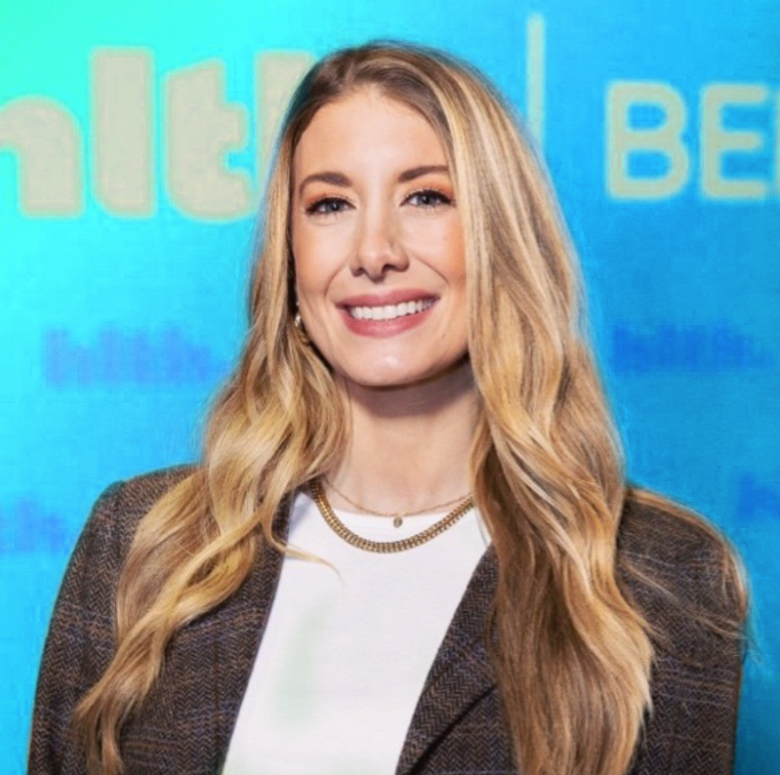
About Jody Tropeano Greene
Jody Tropeano Greene is the Head of Content for HLTH Inc., the leading community for global health innovation. In this role, she leads the development and implementation of the event agendas for both the annual HLTH US & ViVE events, including 150+ sessions, various specialty programs, and startup pitch competitions, as well as leading a highly-selective speaker application process, uniquely placing her at the forefront of digital health trends. The program her team curates provides a platform for top health executives to engage in important dialogue on pressing topics that shape the industry's future. In her time at HLTH, she has had the opportunity to work with thousands of top CEOs, executives, celebrities and government officials across the health and technology ecosystems.
-
Sara Payne [00:00:10]:
Welcome back to the Health Marketing Collective, where strong leadership meets marketing excellence. I'm your host, Sara Payne. HLTH USA returns to Las Vegas November 15th through the 18th, bringing together leaders from across the healthcare ecosystem to examine where the industry is headed and what it will take to move it forward. Today, we're getting a preview of the ideas and the conversations that will shape this year's event. I'm joined once again by Jodie Tropiano-Green, Director of Content and Programming for HealthUSA. Jodie leads the development of an enormous agenda spanning healthcare technology, AI, care delivery, pharma, the workforce, patient experience, and much, much more. When Jodie joined us on the show last year, we talked about what it takes to earn a place on the stage at HEALTH. And this time, we're going to talk more about what will happen on those stages, the editorial choices behind this year's program, the issues that HEALTH is challenging the industry to confront and address, and what attendees should be most excited about to experience at this year's show.
Sara Payne [00:01:11]:
Jodi, welcome back to the Health Marketing Collective.
Jody Tropeano Greene [00:01:14]:
Thanks so much for having me.
Sara Payne [00:01:16]:
Yeah, absolutely. It's great to have you back. HEALTH is one of the biggest health conferences of the year. I'd like to talk about what you and the team have planned for this year. When you, when you look at the program and the agenda that you have lined up, and let's say we pull back from that and look at it from 50,000 feet, what story does the 2026 Health Agenda tell about where the industry is at right now?
Jody Tropeano Greene [00:01:40]:
Yeah, that's a good question. And I think you nailed it by listing all of the different topics that we cover. It's a, it's a massive program, we cover a lot of ground. So when we think about kind of the overall theme for the event each year, it's hard for us to to come up with something that really encompasses everything that we do cover. But I do think we nailed it this year with our theme. So the theme is the Age of Intelligent Health is Here, Buckle Up. So maybe playing a little bit off of the fact that F1 will be in Vegas right after the health event.
Sara Payne [00:02:11]:
Well played.
Jody Tropeano Greene [00:02:11]:
But I think, yeah, yeah. So it kind of has a double meaning, but really this is meant to be, you know, not just a celebration of technology and innovation, but a little bit of a warning too. We've come a really long way with AI, GLP-1s, longevity. We've kind of reached a fever pitch with a lot of those topics, but a lot of the underlying mechanics are still broken. So, if we layer all of this new tech on top of a broken system, then what happens? So, that's what we really want to dig into. We don't think the pace of innovation is slowing anytime soon and we're not trying to do that or to tell people to slow down. That's not really up for us to decide. But, we just want to make sure that our attendees and our speakers address the elephant in the room, you know, about that kind of broken underpinning underneath all of it.
Sara Payne [00:03:03]:
Yeah, it's a great point because I wanted to go there. I noticed some of that thematically in some of these sessions that you've designed. There are titles that really challenge the industry to move beyond these aspirations of these innovations, topics like Outcomes Over Optics. Innovation isn't the problem, execution is. So it's a little bit of a reality check on being able to hold healthcare innovation accountable to what it set out to deliver. And it sounds like that was deliberate in nature.
Jody Tropeano Greene [00:03:38]:
Yeah. And we, yeah, we do often kind of go there with our session titles. We get pushback sometimes, believe it or not, from some of our speakers. I think we take it, we've taken it a little bit too far. We've done this since year 1. So we just, we try to lead with the tension first because every panel should be answering a question or multiple questions. It shouldn't just be a bunch of talking heads reiterating the same thing that we know. Like we want it to be a little bit of a conflict on stage because we'll never really get anywhere unless we do go there.
Sara Payne [00:04:16]:
Yeah, I totally agree with you on that. And I have to imagine that there is some There's a challenge for you all, right, in planning this event. And it's, it's one thing to sort of set those expectations with the speakers and the panelists and design the sessions in a way that are going to really kind of challenge people to be real and elevate that conversation. But it's another thing for them to deliver against what those expectations are that you have. And I imagine that's really one of the big challenges that you have is making sure that people will show up and elevate the conversation in a way that you're hoping that they will.
Jody Tropeano Greene [00:04:48]:
Oh, 1,000%. Keeps me up at night. We really take our time planning this agenda, inviting the speakers. We take a lot of care in who is sitting on that stage and making sure we come up with the topics too in advance. I guess I should say that. So we come up with the topics that we want to cover, and then we fill each seat with a different perspective on that topic. So it's really thoughtful planning behind it. We hope the speakers are on board with our vision.
Jody Tropeano Greene [00:05:20]:
A lot of them are. Most of them are. They're amazing. And honestly, we lean on our moderators a lot because really they're like the quarterbacks, we always call them, of the session. And they could make or break a session and they can push speakers or not push them. It's really kind of on them once they get on stage. So that's why you notice probably we have a lot of moderators that we've had every single year. We don't care about repeating moderators.
Jody Tropeano Greene [00:05:46]:
I will die on that hill. I think if someone's really great at that that, that skill, then why not invite them back to do it again? It's good for everyone.
Sara Payne [00:05:54]:
100%. And, and you're right. I mean, there, there's, um, a lot hinging on that role. It's an important role. They have to be willing to ask the uncomfortable conversation, talking about the elephant in the room and, you know, coming back at it a second time if someone gives, you know, too safe of, of an answer and, and, and dances a little bit because, you know, that's, as an industry, we're all trying to level up and that's where we should be at having these conversations. Yeah. And you mentioned the thought—
Jody Tropeano Greene [00:06:20]:
there's a way, there's a way to respectfully do it too. Like we're not trying to really shame someone up there. That's, that would not reflect well on us and that's not what we're trying to do. But I, I think it, it will make for a better conversation overall if there's a little bit of a push and pull between the moderator and the speakers.
Sara Payne [00:06:39]:
Totally agree. Totally agree with that. You mentioned too, the thoughtfulness you put behind this agenda and, and the selection of the speakers and that, that whole design. I think that's really evident, um, as you take a look at that agenda.
Jody Tropeano Greene [00:06:50]:
Yeah.
Sara Payne [00:06:51]:
The thought that you do absolutely put into it. Are there, on this topic of tension, are there certain sessions in particular that you look at this year and you say, yeah, okay, that conversation might be one where, yeah, we are kind of pushing the boundaries a little bit in terms of what's going to make people maybe a little bit uncomfortable?
Jody Tropeano Greene [00:07:17]:
Oh yeah.
Sara Payne [00:07:17]:
But in a productive way.
Jody Tropeano Greene [00:07:19]:
Yeah. One comes to mind immediately because it's taken a lot of invitations to get people willing to come speak to this one in particular. Well, one invitation was not hard and the rest have been hard. I'll let you take a guess on who was the easy person. But, um, it's— we're calling the session— let me see if I can remember the full session title— but it's Do No Financial Harm. And it's about fixing claims denials and prior authorization at the root. So as much as we need to call out what's broken about that process, we want the conversation to dig into why is this to begin with? What is the root cause here that's causing all of this tension? And then when you layer AI on top of it and the arms race that everyone likes to talk about, how is this causing more harm to patients? So it is a little bit of a debate. And we have the CEO of Claimable confirmed We have the COO of the Blue Cross Blue Shield Association.
Jody Tropeano Greene [00:08:15]:
It was really important that we had the payer perspective, and that was probably— I'm giving away the answer, but that was the tough seat to fill. And then we just confirmed Dr. Mandy Cohen, who's with Manatt Health, and she's a former CMC director.
Sara Payne [00:08:31]:
Yes.
Jody Tropeano Greene [00:08:31]:
Her resume is insane, and I'm so excited that she agreed to join this one, 'cause I think she brings a really well-rounded perspective, where Morris with Claimable is clearly going to speak on behalf of the patients. Um, and I believe Sean with Blue Shield obviously is going to speak on behalf of the payer, and I think Mandy will speak on behalf of all of them, but, but she works a lot with providers and, and she can kind of bring that lens.
Sara Payne [00:08:57]:
Yeah, I'm excited to see that one. I'll make sure to put that one on my list, uh, to attend. Um, that prior auth has been something that, you know, everyone in the industry feels pain around, in particular patients, right? And it's become one of those big interruptions that prevent people from accepting accelerating through the care that, that, you know, their doctor has already recommended that they receive. So yeah, that should be an interesting debate for sure.
Jody Tropeano Greene [00:09:22]:
Yeah, I mean, even personally, my— this happened to my father recently with a cancer diagnosis. He waited 3 weeks for a PET scan after the diagnosis because of this, and, um, then it was a clerical error on top of it, and he, he as the patient had to be the one quarterbacking between all the parties. To make sure that he could get the care that he needed. So it was ironic that I was kind of working on this session as it was happening to such a close family member in real time. So I'm really fired up about this topic and I really am excited to hear what they have to say about it.
Sara Payne [00:09:58]:
Yeah. So many people. In fact, I was just having the same conversation with a colleague earlier today related to a cancer diagnosis in their family as well. Same story. Same story, copy paste. Sorry to hear about your dad. I hope everything's going well in terms of his treatment. But yeah, I mean, we, you know, once you hear a diagnosis like that, you want to move quickly.
Jody Tropeano Greene [00:10:19]:
You want to move quickly.
Sara Payne [00:10:19]:
Exactly. And the anxiety keeps you up at night. And if what is preventing you from, you know, potentially extending quality of life or life expectancy is having to wait for, for a prior authorization or even just an appointment. That's a delay too. So anyway.
Jody Tropeano Greene [00:10:36]:
Yeah. And I think having a physician who knows the game, if you will, and can get ahead of it and really be your partner, it makes all of the difference. And we're so lucky we live in the Northeast and we have access to Memorial Sloan Kettering. So we've moved his care over there and it's been a world of difference. So yeah, I think I live in New York City. I'm very lucky to have access to the institutions that I have here, but that's not the case for most of the country. So we really need to fix this problem.
Sara Payne [00:11:06]:
100%. Yeah. Let's talk a little bit more about AI. You mentioned it. It's everywhere in the agenda. It's everywhere in healthcare. So, it's not surprising to see it play such a big role in this agenda. And as you mentioned, it's really part of the theme.
Sara Payne [00:11:22]:
How did you approach thinking about this this year, preventing the topic of AI and AI programming from just becoming dozens of sort of repeat of the same conversation?
Jody Tropeano Greene [00:11:34]:
Yeah, that's a tough one. I think we were intentional in not making it— so we have different circuits on our program this year. I tried to organize the agenda in a way that was a little bit more digestible. We know how big it is. So if you are really focused on women's health and longevity, you know, the 2 circuits that are for you. So AI would clearly probably be a circuit on most conference agendas. But we took a step back and we thought, this should— this actually shouldn't be one. This is going to show up everywhere.
Jody Tropeano Greene [00:12:07]:
So why don't we just let it be an angle on a lot of conversations, let it show up in women's health. And we do have a great session on that circuit about the male default and how most of these technologies were trained on male and mostly white people data. So that's a really great one. That's a good example too of kind of making it an angle rather than The entire conversation.
Sara Payne [00:12:32]:
Yes.
Jody Tropeano Greene [00:12:32]:
And that's what we do. So each circuit, AI shows up in different ways. I think we hit it from every single direction. We have lots of debates. We have a good conversation around AI replacing primary care, which is its own debate within another circuit. So just kind of weaving it in, and it really is the thread that connects the entire event. I think it should be at this point. It's, it's the biggest game changer for our industry in, I mean, I forever, at least as long as I've been in it, I'm sure anyone, um, would agree.
Jody Tropeano Greene [00:13:10]:
So it's, it's the, the overall theme. It's, it's everything.
Sara Payne [00:13:16]:
Yeah. I mean, I applaud that decision too. I noticed it and applaud it because embedding it, it is everywhere. So creating it as a separate thing just doesn't make a whole lot of sense, like really intentionally embedding it into to the, the different other problems or specialty areas, to your point, longevity, women's health, oncology, whatever it is, rather than treating it as a separate conversation. Because really—
Jody Tropeano Greene [00:13:44]:
Sorry, I interrupted.
Sara Payne [00:13:45]:
No, yeah, go ahead.
Jody Tropeano Greene [00:13:46]:
I, as you can tell, I'm fired up about this. We, we get questions all the time from people, like, how are you approaching AI in healthcare? Like, what, what sessions are you doing on AI? And I kind of giggle a little bit.
Sara Payne [00:13:59]:
Like, what, what are What are we not doing on AI?
Jody Tropeano Greene [00:14:03]:
Yeah. Or can you send me a list of all the sessions you're doing on AI? Like, just look at the agenda because it's every single one of them. Um, yeah, I, I think if you were a betting person, I think the term AI will come up in every single session, no matter the topic.
Sara Payne [00:14:18]:
Yeah, absolutely. For sure. I'm just going to take a beat here, Jodi, because we've been jumping around a little bit and I want to go back to some—
Jody Tropeano Greene [00:14:25]:
Also that other one, I feel like I could, you could cut the the tail end of my answer to the AI question, the first answer. I probably dragged on more than I should have.
Sara Payne [00:14:35]:
Okay, well, we're always very intentional about looking at the transcript to see if there's any areas where we want to cut and just kind of get to the point faster. So we can absolutely do that. Let's see here. So Jodi, let's talk about your Nurse and Clinician Program. What do you want this program to really reveal about the realities of delivering care today?
Jody Tropeano Greene [00:14:57]:
And why is it so important to health to give nurses and clinicians Yeah, this has been something that's years in the making that's really grown every single year. Amy Eckenroth on my team really champions this. She's incredible. So the program starts on Sunday. It's one of the most popular programs that we do on Sunday, the Nursing Clinician Insights Program. And the questions and the interaction between the attendees and the speakers is pretty incredible.
Sara Payne [00:15:28]:
Yeah, I think it's really cool.
Jody Tropeano Greene [00:15:28]:
is next to none. There's just a lot to say, and they have a lot to say, and they deserve a seat at the table. All of this innovation kind of happens around them frequently, and they're often the end user of that innovation, but they're not brought into the fold earlier on in the process. So, we thought we could be the platform that does that, that we can connect the dots between the end users and the people developing this new technology. So that's what that program does really, really well. And then we have a nurse pavilion on the show floor. So another kind of meeting place for them throughout the event. Then we do the Physicians@Health program with Nisha Mehta and Physician Side Gigs.
Jody Tropeano Greene [00:16:07]:
That's been an incredible one to work on. So we're really kind of giving them a seat at the table. We want them at the event, not just CMOs at health tech companies.
Sara Payne [00:16:17]:
Mm-hmm.
Jody Tropeano Greene [00:16:17]:
We want practicing clinicians that don't have any ties to specific organizations. We want them there. We want their opinion to be folded in, to the different sessions, the different programs, and in these kind of side conversations that we organize between the health tech companies. That's what the Physicians at Health program does. So there's a lot more to do. I think we're just scratching the surface here, but we see the value in bringing them to the event and we want to kind of be their champion where we can. Another thing that I'm excited about is bringing the nursing conversation to the main stage this year.
Sara Payne [00:16:57]:
Mm-hmm.
Jody Tropeano Greene [00:16:58]:
We confirmed Ned Brower, the actor on The Pit, who is also a nurse in real life, Nurse Jesse, if you're familiar with The Pit. We're thrilled. We haven't announced it yet, but he's really excited to be there, really excited to have a conversation with the ANA and one of our amazing nurse influencers who's involved in the event about the realities of the frontline and what they bring.
Sara Payne [00:17:23]:
Mm-hmm.
Jody Tropeano Greene [00:17:24]:
to that show that really strikes a chord with a lot of clinicians. I think I've heard from a lot of clinicians that that show really expresses what they go through every day better than mostly all of the other kind of doctor TV shows that have been out there.
Sara Payne [00:17:39]:
I've heard that too.
Jody Tropeano Greene [00:17:40]:
Yeah, yeah. And maybe it's because they cast people like Ned, who's an actual practicing nurse.
Sara Payne [00:17:44]:
Great point.
Jody Tropeano Greene [00:17:46]:
Yeah. So I'm so excited to announce that one. I know that We'll have a cheering squad for, for them. And hopefully a lot of chatter on social media after. I want to hear what everyone thinks of it.
Sara Payne [00:17:59]:
Yeah, I mean, so brilliant that you guys really have designed this event to make sure that clinicians and nurses are a part of the conversation. Because to your point, innovation goes nowhere without them being bought in and being part of the development of it as well and making sure they have that seat at the table. And I've always been personally surprised. You know, I go take a lunch break, sit down at one of the lunch tables, and, you know, meeting new people and, you know, asking, you know, where, where are you from? What do you do? And the number of people that are clinicians, you know, in these, you know, some large, some regional health systems, you know, reputable and amazing work that they're doing, reputable organizations, amazing work. I'm impressed by it. I was not initially in attending this event, um, going back a few years. expecting to see that many clinicians in attendance. Um, and a lot of that has to do by the editorial, with the editorial, uh, decisions and choices that you all are making.
Sara Payne [00:18:54]:
And also I'm struck by, you know, the, these particular events that you, that on this track is not just meant to have other clinicians and nurses in the room, in that audience hearing what's on the stage. It's actually designed to also bring in the healthcare executives and technology leaders that are innovating around it.
Jody Tropeano Greene [00:19:13]:
And right.
Sara Payne [00:19:13]:
Mm-hmm. Trying to make sure that they understand that point of view.
Jody Tropeano Greene [00:19:19]:
Yeah. And I think that is the case throughout the program. We are a whole ecosystem event. And so when we design our sessions, we like to have that ecosystem represented in each session where it makes sense. Sometimes, you know, it doesn't, but, but we do think thoughtfully about that. Also, we have a ton of practicing clinicians at the event, but our speakers— I didn't do the math before this, but I would say like over 50% are probably an MD or a PhD at our event.
Sara Payne [00:19:48]:
Impressive.
Jody Tropeano Greene [00:19:49]:
We think they have the best perspectives. We, we often will hold on an empty spot on a panel until we can get that clinician voice filled because we think it'll just bring so much to the conversation and it would do it a disservice if we didn't have them involved.
Sara Payne [00:20:05]:
Yeah. Yeah, no, that's great. And the other thing I was going to mention is very smart of you all as well. And I think you've done this pretty consistently across the years. in appealing to something that maybe has more mainstream kind of a pop culture, um, storyline to it to bring people into the room for a topic that's really serious and important, right?
Jody Tropeano Greene [00:20:28]:
Yes.
Sara Payne [00:20:28]:
And so it's that fine line of like not just bringing in a celebrity to say you have a celebrity on the stage, but doing it in a very thoughtful way, which is we know this is an important topic and Bringing in someone, um, you know, folk, that show The Pit is, has so much popularity. And I've heard that from people working in the industry too, that it does portray reality very, very well. And so I think that was very well done on your part to orchestrate this and, and, and really put such an important conversation, um, out there in a way that might attract new and different people to sit in the room than maybe otherwise would.
Jody Tropeano Greene [00:21:06]:
100%. That's exactly our thinking behind it. You know, people could roll their eyes at the celebrity, but they do— we like to say put butts in seats.
Sara Payne [00:21:14]:
Yeah.
Jody Tropeano Greene [00:21:14]:
And it gets people there listening to this important topic. Like, I'll always remember Halle Berry speaking very candidly about women's health issues on stage and menopause and having near 3,000 people in the audience listening intently to what she was saying. And I thought, like, this is a slam dunk. This is exactly what we wanted. So we have a few more people up our sleeves other than who was announced so far, like Sophia Bush, the actress. She's incredible. I can't wait to have her speak to our audience. If people don't follow her on social media, they should, and they will be incredibly impressed by her.
Jody Tropeano Greene [00:21:51]:
And also Steve Aoki, world-renowned DJ. I'm sure people are like, what is he at Health for? But he has a brain health foundation. He's super passionate about that topic. His family member passed away from neurodegenerative disease, so it's near and dear to him. So I think people will be pleasantly surprised about that too.
Sara Payne [00:22:10]:
Yeah. Yeah. I was going to say in past years, you've, you've saved some of the bigger sort of speaker announcements until closer to the conference. It's by design, right? To drive registrations and drive interest and keep people paying attention. And I noticed a couple of those.
Jody Tropeano Greene [00:22:25]:
Also, they're very busy people. So it takes me a really long time to confirm.
Sara Payne [00:22:28]:
And I'm sure your anxiety is like, could we just get these contracts done and put in place so we can find out about the program.
Jody Tropeano Greene [00:22:35]:
And we don't actually contract with any, any of them, which is, uh, something people don't realize. Like, we— they're doing this out of the goodness of their heart most of the time. Sometimes they're working with a company or they're a spokesperson for a company that's involved in the session. But for, for most of them, it's really just because they see the value in the event and, and they want to be a thought leader on that specific topic. Um, we, we don't have the budget to pay for, for all of these celebrities on our—
Sara Payne [00:23:02]:
I mean, that's great. Right. I mean, kudos to you guys. That just shows if there's an overlapping mission that you have in common, then it's an easy yes for them, right, to join into that conversation and help advance whatever education or progress is that they want to on the issue that's important to them. But yeah, I noticed a couple of the main stage programs haven't been announced yet. And so I imagine that you've got a couple of surprises up your sleeve that we can expect over the next few weeks.
Jody Tropeano Greene [00:23:28]:
Yes, yes, many. I wish I can say a few more. I mentioned Ned Brower. I feel comfortable saying that one. He will be be up on the website soon. Definitely a few government officials that we haven't announced yet that will be there. So we will have representation. We already do.
Jody Tropeano Greene [00:23:44]:
We've announced Amy Gleason, Geeta Dio. We have several CMS speakers, ARPA-H speakers, general HHS speakers. So expect more in that lane too.
Sara Payne [00:23:55]:
Yeah, that's fantastic. Last year, you told us that Health was experimenting with some new and different formats and new ways to really like create more of that candid exchange on, on stage. I'm wondering what you learned from that. And that was sort of the idea was moving away from like the predictable panel and just like experimenting with new, new formats like challenge arenas and, and power panels. What did you learn from that and how is that showing up in this year's programming?
Jody Tropeano Greene [00:24:23]:
Yeah, so what we learned is that we don't really need to get that cute. We can just That we really just need great topics, great speakers. We need to lob that up for them and then they will handle the rest. People like panels, especially when it's a well put together panel, which I think we do really well. I don't think they need the cutesy format around it. We have debates, which I think are really important, and I always will welcome more debates on the program. They're specifically hard to confirm, but we do have several of them. And then also just more interactive formats.
Jody Tropeano Greene [00:24:59]:
I think that's That's where we did something different this year. So we have one of our stage rooms is, it transforms from Sunday to Monday. So Sunday it's all panel discussions within one circuit. And then on Monday and Tuesday, we're calling them sandbox sessions. So we got a little bit cute in one area, but it's because they're not quite a workshop, they're not quite a roundtable, they're almost a marriage of the two. So we came up with a new name for them. They're all association-led. Every hour is a different topic, and speakers are kind of in the mix with the attendees.
Jody Tropeano Greene [00:25:34]:
So the attendees are almost part of the speaker faculty for those sessions. It's really hands-on. It's, again, really interactive, and it'll have a specific agenda for each. So easy to navigate. So check those out if you haven't already.
Sara Payne [00:25:50]:
Love it. Well, you're bringing together an enormous number of topics and speakers over 4 days, but in my opinion, the value of the program isn't just how much ground you cover, it's really what people are still thinking and talking about when they leave and what they're inspired to go do and take action on. From your perspective, Jodi, if attendees leave Las Vegas debating one question from this year's program, what do you hope that is?
Jody Tropeano Greene [00:26:19]:
Let's see. There's many that can come to mind. Maybe I'll give a few if that's okay. I think one is just remembering why we're all doing this. Like remembering why. And it's less of a question, more of just kind of making sure that your true north is there at all times. And this is a unique industry. So hopefully, you know, we want all these companies to be successful, but I think money is not everything.
Jody Tropeano Greene [00:26:49]:
These are people's lives. So to never lose sight of that.
Sara Payne [00:26:52]:
Yes.
Jody Tropeano Greene [00:26:54]:
And also just thinking about kind of what— are we building tools to help patients navigate this system, or are we just layering more tools onto a broken system?
Sara Payne [00:27:07]:
Yes.
Jody Tropeano Greene [00:27:08]:
So if you have a new idea, you're working for a startup, like, think about kind of where you fall within that and, uh, maybe make a few adjustments if, if you're just building on top Yeah, no, I love that, reminding everybody of why we're doing this, the mission-driven part of this work, and also really challenging everybody to think maybe broader about the solutions that they're bringing.
Sara Payne [00:27:39]:
Like, think about it from that removing barriers, improving the patient experience, like really truly Um, getting rid of that friction that might exist.
Jody Tropeano Greene [00:27:51]:
Maybe thinking about competition a little bit differently too. Interesting.
Sara Payne [00:27:56]:
I like that.
Jody Tropeano Greene [00:27:57]:
I went to a really interesting event that Arianna Huffington hosted last week, and they were talking about reframing competition to collaboration. They said it much more eloquently than me, but I really liked that reframe. And I think for healthcare in particular, it's important if we think about everyone working in this space as collaborators because we really all do probably have the same goals. So, um, yeah, it's just where healthcare is different, so we need to approach it differently.
Sara Payne [00:28:28]:
Yeah, well said. Well said. Well, I, I have one final question for you, and it's a little bit on a, on a lighter note. Health always hosts a closing party on the final night, Tuesday night, and there's always a musical performer, frequently someone from the late '90s, early 2000s hip-hop and R&B crew. Last year was Busta Rhymes. Uh, are you able to reveal what's in store for this year?
Jody Tropeano Greene [00:28:53]:
When does this come out?
Sara Payne [00:28:55]:
Uh, it comes out— it'll come out next week, actually.
Jody Tropeano Greene [00:28:58]:
Okay, so I think I can because we're revealing that person this Friday.
Sara Payne [00:29:02]:
Oh, amazing.
Jody Tropeano Greene [00:29:03]:
So, um, I've already said his name. It's Steve Aoki.
Sara Payne [00:29:07]:
Oh, wonderful. Oh, that's so cool.
Jody Tropeano Greene [00:29:10]:
Yeah, so world-renowned DJ. He's kind of a, a Vegas staple, and I think it'll be a really, really fun night for attendees.
Sara Payne [00:29:18]:
Oh, that's so cool. And, and last year, last year when we spoke, I think I asked you to name your dream performer for the closing party, and you said last year, you said it would be Lady Gaga. Is she still on your dream list? And who else would you put on that list?
Jody Tropeano Greene [00:29:33]:
It's always Lady Gaga.
Sara Payne [00:29:36]:
I love that. Yeah, I was like thinking Lauryn Hill, Destiny's Child, like some of that female—
Jody Tropeano Greene [00:29:42]:
Oh, Destiny's Child. If it was, they were going to come back together for Hells, sign me in. That might usurp Lady Gaga. That— yeah, that's hard to beat.
Sara Payne [00:29:54]:
Yeah, I was like, we just need some female R&B energy from, you know, the '90s and early 2000s.
Jody Tropeano Greene [00:30:02]:
Yeah. Funny enough, and you could— this part we don't need to include, but funny enough, it's because a lot of female performers, they're still relevant. So they're, they're like way out of our price range. Yeah. So that's really what it is.
Sara Payne [00:30:17]:
I love that for us. I love that for us. We still got it.
Jody Tropeano Greene [00:30:22]:
We still got it. Yeah, yeah. They, uh, they just are much more relevant. Even like people like Carly Rae Jepsen are back. Yeah. And so yeah, there's more—
Sara Payne [00:30:34]:
what?
Jody Tropeano Greene [00:30:35]:
More men in our voice range.
Sara Payne [00:30:37]:
That's amazing.
Jody Tropeano Greene [00:30:38]:
I love—
Sara Payne [00:30:39]:
like I said, I love that for us. Well, and well played by you guys last year when Choosing Busta Rhymes, because I turned around and he was all over the TV. He was doing Walmart commercials. And I was like, I haven't heard of this guy in I don't know how long, but now all of a sudden he's everywhere.
Jody Tropeano Greene [00:30:52]:
Yeah. Yeah, he was great. That was fun.
Sara Payne [00:30:55]:
It was fun. Well, Jodi, thanks so much for giving us a peek behind the agenda and the thinking that shaped it. I really enjoyed the conversation.
Jody Tropeano Greene [00:31:03]:
Yeah, same. Thanks so much. Great to chat with you.
Sara Payne [00:31:06]:
Yeah, likewise. And a reminder to our listeners that HealthUSA takes place November 15th through the 18th at the Venetian Expo in Las Vegas. You can explore the agenda and register at HLTH.com. That's HLTH.com. And as a proud media partner for this year's event, the Health Marketing Collective is also offering listeners a $250 discount off registration with the code HMC2026. That's HMC2026. Jodi, thanks again for joining me.
Jody Tropeano Greene [00:31:35]:
Thanks.
Sara Payne [00:31:37]:
Can't wait to see you in Vegas. And thanks to all of you for tuning into the Health Marketing Collective, where strong leadership meets marketing excellence, because the future of healthcare depends on it. We'll see you next time. Bye.
Who Should Be Our Next Guest?
Contact us at connect@inprela.com with your suggestions for guests who are making waves in Healthcare marketing.