
What if the secret to better marketing isn't doing more, but knowing what to stop doing? Welcome to the Health Marketing Collective, where strong leadership meets marketing excellence.
In today's episode, Gino Giovanelli joins the conversation to explore the power of saying no and why focusing on fewer, more impactful initiatives can lead to stronger marketing results. Gino is a digital marketing strategist, educator, and founder of Miles Interactive, with experience helping organizations develop digital strategies that drive meaningful impact.
Together, they discuss how essentialism can help marketing leaders navigate competing priorities, evaluate marketing channels, and make more intentional decisions about where to invest their time and resources. From identifying low-impact activities to developing a focused channel strategy, Gino shares practical insights and real-world examples to help marketers do less, but do it better.
Thank you for being part of the Health Marketing Collective, where strong leadership meets marketing excellence. The future of healthcare depends on it.
Key Takeaways
Essentialism: The Permission to Say No
One concept discussed was essentialism the discipline of prioritizing only the most critical initiatives. The discussion explored how saying no allows marketers to invest fully in what matters most, echoing Greg McKeown’s notion: “Say no so you can say hell yeah to the things that matter.” This mindset shift is not just logical; it's liberating for marketers weighed down by endless to-do lists and expectations to show up everywhere at once. Learning to prioritize means becoming comfortable letting “good pitches” go by to wait for the “perfect pitch” that’s truly in your strategic sweet spot 01:19, 04:05.Strategically Cutting Channels to Win
A key theme that emerged was the value in deliberately reducing the number of active marketing channels. The conversation outlined the pressures facing CMOs to be present on every digital platform SEO, SEM, social, email, and more but emphasized that few organizations have the resources or skills to master them all. Instead, leaders should ruthlessly prioritize based on business goals (acquisition vs. retention) and target audience needs, then staff and resource accordingly. In many cases, the most strategic decision is to cut a channel, freeing up resources to outperform on the channels that truly move the needle for your business objectives 05:30, 07:12.Breaking Habits and Avoiding Busy Work
Several points were raised, including the need to break out of ingrained routines. Many marketing tasks continue simply out of habit, not strategy. Marketers were urged to identify “busy work” those low-impact, low-effort activities that sap time without delivering outcomes and to stop doing them. The real work is in consciously choosing what should be done versus what could be done, always guided by a clear digital marketing strategy 09:01, 22:04.Channel Agnosticism and Adapting to Change
The discussion explored the blurred lines between traditional marketing channels and the necessity to remain nimble. No longer does each channel map neatly onto a single stage of the customer journey; for example, media advertising now drives both awareness and conversion through tactics like retargeting. Marketers must adopt a channel-agnostic approach, continually reassessing where audiences engage and not falling in love with channels that may have worked in the past but no longer serve current strategy 12:24, 13:12, 14:38.A Five-Step Practical Framework for Channel Selection
The episode also detailed a practical, five-step process for crafting a focused digital strategy:Confirm business goals and priorities (especially acquisition vs. retention don’t assume, ask and confirm)
Consider all channels (don’t rule any out due to internal resourcing before evaluating strategic fit)
Brainstorm channel-specific ideas that align to goals
Prioritize with an impact vs. burden lens (weighing results against required effort and resources avoiding low-impact, low-burden busy work)
Turn priorities into a concrete marketing plan with timelines and accountability
This framework empowers teams to navigate complexity, defend decisions upward, and avoid spinning in indecision that wastes time and momentum 16:15, 20:21.
From liberating yourself to say no, to adopting focused, goal-driven channel mixes, this episode offers clear, actionable strategies for marketing leaders seeking to achieve more by doing less. Don't miss the stories and tactical advice that bring these principles to life.
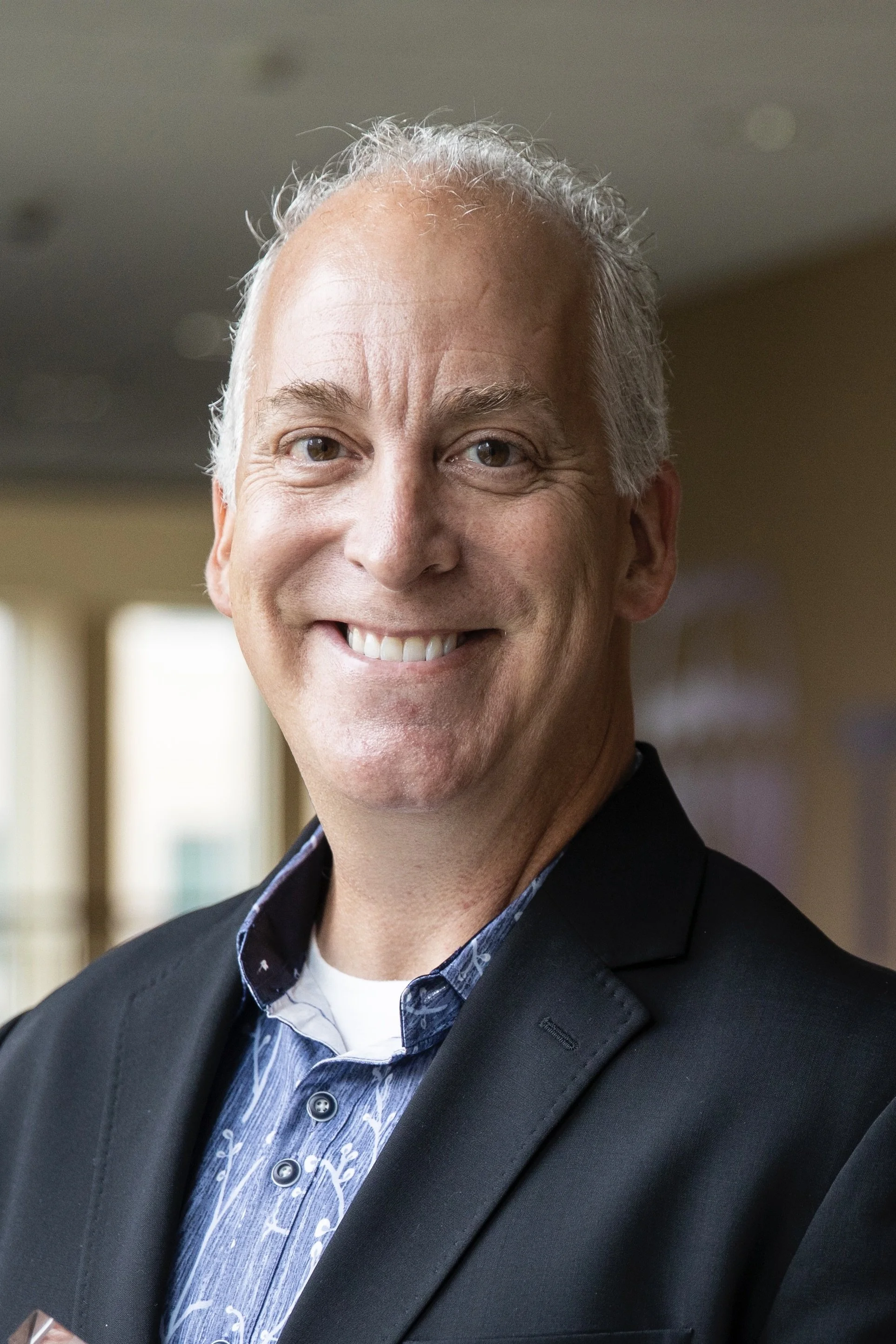
About Gino Giovanelli
Gino Giovanelli, MBA, teaches digital marketing courses in the undergraduate, MBA and Executive Education programs at the University of St. Thomas Opus College of Business. Additionally, he is the lead faculty for the Graduate Certificate in Digital Experience and the Executive Education Certified Digital Marketing Professional program. Giovannelli combines his passion for teaching with his vast industry experience to create a vibrant classroom learning environment.
-
Sara Payne [00:00:11]: Welcome back to the Health Marketing Collective, where strong leadership meets marketing excellence. I'm your host, Sarah Payne, and I'm bringing you fascinating conversations with some of the industry's top marketing minds. Today, we're talking about something that doesn't get enough credit in modern marketing, the power of saying no. With me is Gino Giovanelli, a digital marketing strategist, educator, and founder of Miles Interactive. Gino has helped brands like Caribou Coffee, Lifetime Fitness, and even the Super Bowl host committee use digital to drive real-world impact. He's also a professor at the University of St. Thomas and hosts the podcast In the Key of D, where he explores the intersection of business and digital transformation. Today, we're going to talk about smarter channel strategy, the power of focus, and how saying no might be the most strategic move a marketing leader can make. Sara Payne [00:01:06]: Gino, welcome to the show. Gino Giovannelli [00:01:08]: Hey, thanks, Sarah. Glad to be here. Sara Payne [00:01:10]: Yeah, thrilled to have you here. I wanted to start off with something you said in our prep conversation that really stuck with me. And that's that this conversation is about essentialism, about doing fewer things better. So tell me more, Gino, about your philosophy on that. Gino Giovannelli [00:01:31]: Right. Well, I think, Sarah, my whole career, it's always been about doing more, working harder, grinding harder, doing more things, everything that's possible. And I finally found a book by Greg McKeown called Essentialism that basically gave us the permission to say no because no gets such a bad rap in this world. If you ever had a boss that's asked you to do something, you just, you can't really say no. You don't feel right saying no. Or even just as a human being, I mean, our, in our DNA, our natural wiring is if somebody asks you to help them, you're going to say yes. And Greg does a really good job of giving saying no, kind of a, it makes it, it makes it all make sense, if you will, because it, it's actually more responsible to say no to certain things so that you can say yes to others. In fact, his quote is, say no, say no so that you can say hell yeah to the things that matter. Gino Giovannelli [00:02:30]: And I've never had someone kind of give that, give that kind of permission. And I appreciated it so much. So I set out to say, whether I'm teaching students, Or I'm working with my clients, you know, we gotta, we gotta start off by saying no. And it, it's really hard to say no. Um, but this book kind of shows you how to do that and how to do it the right way. Sara Payne [00:02:51]: I love how you frame that in terms of it giving people permission, because I think you're absolutely right. It's a, it's a refreshing reminder and an important frame for this conversation today. Gino Giovannelli [00:03:02]: Right. Sara Payne [00:03:03]: And it's, it's, let's be honest, it's gonna be liberating for a lot of marketers listening. It gives them, again, the permission to say no. Which we all know is necessary to do. It's logical. It seems logical, but it's not easy. It's great in theory, but in practice, it's really hard. Gino Giovannelli [00:03:20]: It is. And if you don't mind, there's an example I love to use in the classroom that really brings this point home. I'll usually pick on a baseball player and I'll say something to the point of, hey, Sarah, do you swing at every strike? And if they're a good baseball player in D1, you know, St. Thomas, they're going to be. They'll say no. And you just, you could just look at the reaction by the audience. Like, really? You know, I'm like, and I'll even kind of egg it on. I'm like, really? You'll let a strike go by at the risk of, if you let 2 more go by, you're going to have the loneliest walk back to the dugout that you could ever imagine. Gino Giovannelli [00:03:55]: And I'm like, why don't you swing at every pitch? And they'll go on to say like, because they're what, what's determined as a strike by the league isn't necessarily what my strike is. And I'll even say, hey, what's, what's your pitch? And they might say high and inside. I'm like, so you're going to let other strikes go by waiting for the high and inside. And I say, what happens when you get the high and inside? He goes, they'll say, like, I hit the snot out of the ball. So the point is you're going to let good ones go by because you're waiting for the best one. And that's what essentialism says. Let the good stuff go so that you can say hell yeah to the right stuff. And it's easier said than done. Gino Giovannelli [00:04:32]: And it takes a lot of guts and it takes a lot of confidence. But when you do it, it feels so good to say no to things. It's like the other example is like that when you're breaking up with somebody and, you know, and the person will say, are, you know, are we, are we pausing? And are you like, no, we are breaking up. I'm going to let this thing go. And that feeling, it hurts to say it. Sara Payne [00:04:52]: Yes. Gino Giovannelli [00:04:52]: But when you walk away and you go like, oh, okay, now I can, now I can work on the right thing. And, um, it's, but it's, uh, you know, this is people stuff. This, we haven't talked about marketing yet. Right. Uh, and, and that's what I try to teach my students is the human factors are so important here. To make sure we're doing the right things. Sara Payne [00:05:11]: So important and such a great metaphor. I love sports metaphors. So great for all the things in life. And as you said, because the human factor is so important. So on that note, let's talk about the reality that most chief marketing officers are facing. There's this constant pressure to show up across 6 or more digital channels, right? We got SEO, SEM, social content, email, display, you name it. But you argued, Gino, that to do all 6 is almost never a good idea. And why is that? Gino Giovannelli [00:05:54]: Why that is, is I don't think you need all 6 typically. If you really get down to what's the business trying to accomplish and what are the immediate needs, I said the smartest thing you can do is cut channels. And I know you're gonna say like, what? It's like, these are weapons at your disposal. Why would you ever not pick one up? I'm gonna first start off by saying the majority of marketing departments that I've worked in, or even there was some recent research that came out that said less than 10% of marketing organizations have people skilled in all, they call it 6 channels. And I'd argue when you add the traditional channels in there, you're north of 12, right? Yeah. So you don't necessarily have the right skill sets on the bus. And that's a different issue. I would argue that you should make sure your people have They're skilled in the channels you need. Gino Giovannelli [00:06:42]: And that isn't based on who you have on the team. That should be based on what your target audience needs, right? So, but the point is you rarely have the luxury of throwing bodies and dollars at all the channels. And I would argue that even more importantly, I don't think you should. I really don't. I mean, if you're a startup company and your goal is to get customers, I don't think you should necessarily use email. Because email's a great retention strategy if you have customers. But if you don't have customers, how are you gonna email customers that you don't have? Sara Payne [00:07:12]: Right. Gino Giovannelli [00:07:12]: So if you're a startup, I would say focus on channels like search and media advertising where you can get in front of someone who hasn't done business with you before to get them interested in you and move them through the conversion funnel. At the same time, if you're an established business, you're a B2B business, you have 31 clients this year, our goal is to have 31 clients next year. It's a retention game and you should play heavy at email. You should play heavy in search, uh, sorry, Social, and maybe not, well, not maybe, I would say not in search and not in media advertising because you don't need those. And put your heartbeats where you need them so that you can hit those things out of the park. So, those are just some examples where, you know, and if it's a truly balanced company, you got some hard company, hard decisions to make between acquisition and retention. But usually it comes down to, Sarah, which game are we trying? What's What does winning look like? Are we in acquisition mode? Are we in retention mode? And, you know, if we're in that middle hybrid land, then pick your spots even more carefully. Sara Payne [00:08:12]: Yeah. Well, I used this word once already. I'm gonna use it again. I think this is liberating, right? This is liberating permission again to choose focus. And I think we're starting to get in a bit deeper in terms of some great advice that you have around how to prioritize your channel selection. based on what your goals are. What other advice do you have, Gino, for CMOs and other marketing leaders as they think about channel selection across the funnel? Gino Giovannelli [00:08:41]: Yeah, it's, I mean, it's a lot of the stuff we just already outlined where it's, you know, it starts with business goals and priorities. And if it's acquisition or retention, you know, pick a horse and ride that horse. You know, the other one is to break habits. I think there's some research from Deloitte that said that I don't know, 80% of the tasks we do every day are based on habit. And we get up in the morning and we check our email and we go to the office and we visit these people in the coffee room and then we did it and we just, we check our search results and then we check our whatever. It's like, are those the right things that we should do or are those just the things that we're in a pattern to do? And I would argue break those patterns. Here's the analogy that I would use when I work out with my trainer. There are certain machines that if he doesn't come, there are certain machines that I just do in a certain order. Gino Giovannelli [00:09:31]: And then when he shows up, he's like, no, we're going to start over here. I'm like, I don't like that machine. I don't care whether they like it or not. You need to do it. I'm like, you know, it's like, so the, these breaking the habit. If you don't believe that you work in a habitual fashion, think about next time you towel off after the shower. Sorry to go there, but everybody has an order in which they towel off out of the shower. Right arm, left arm, right leg, left leg. Gino Giovannelli [00:09:57]: You know, And we do it the same way every day. We need these things in our day to break our day and to say, what should I do? And where I'm going to is the desperate need for a digital marketing strategy that says what we should do versus what we could do. It's the should do versus could do. Sara Payne [00:10:17]: Yes. Gino Giovannelli [00:10:17]: And the difference between should do and could do is a simple word. It's 2 letters long. It's N-O. It's no. It goes back to essentialism, is saying no so that you can say hell yeah. So, A strategy does just that. It says, here's what we're going to do, not what we could do. And, and that will break it. Gino Giovannelli [00:10:36]: You know, if I'm used to doing paid search and our strategy says we're not doing paid search anymore, if somebody doesn't beat me over the head, I'm going to keep doing paid search. Sara Payne [00:10:45]: Right. Gino Giovannelli [00:10:45]: I know it. I'm comfortable doing it. And it does have results, but it's not the results I want. Sara Payne [00:10:52]: Yeah, this is great. Building off of your weightlifting reference there, it's no pain, no gain, right? If you don't, if you don't have muscles in that certain area, right? That channel's going to feel hard to you and you're probably going to avoid it just like the machine that you're avoiding from a weightlifting standpoint. Gino Giovannelli [00:11:10]: Exactly. Sara Payne [00:11:11]: And another thing that just really strikes me in terms of the challenges around this is it's not just the number of channels, but it's also about how messy it's all getting, right? There's a blending of these channels that— used to be very distinct and it just seems like it's harder than ever to tell what's working and where. So what advice do you have given that dynamic about how CMOs should really navigate that chaos without losing sight of what matters? Gino Giovannelli [00:11:44]: Great point. It's so funny, every, you know, when I teach every semester, I have to tweak the courses. And when you teach digital marketing, it means, you know, that's in fact what I was doing before this call and what I'm gonna do immediately after it's over. I'm re— writing all my courses for the fall because things are changing. And it's amazing how many times when I say to students like, and it used to be a lot easier and now here's the way it is. And they're often like, is there anything that's easier now? And I'm like, hell, I'm not sure. There's more opportunity, but that doesn't mean it's easy. And so, you know, one of my things is to understand what's happening in the channels and to know that they used to, it used to be so conveniently clear. Gino Giovannelli [00:12:24]: If you want awareness, you do media advertising. If you want interest, you do search. If you want consideration, you build some things on your website to help people make good buying decisions. If you want purchase, make sure you're shopping ahead of time. It was very, very clear. We had these different channels that conveniently lined up to each level of the customer conversion funnel. And now it's just not the case. It's like, for example, media advertising, is a great awareness channel, but if you could use it in a retargeted fashion where someone who has put something in your cart or in their cart and Sarah calls me and I have to go pick her up somewhere and I come back and I don't make the purchase and it's lost, that little tickler that says, hey, do you still want to buy that? That's media advertising driving conversion, not awareness anymore. Gino Giovannelli [00:13:12]: You were aware, you were interested, you had it in the cart, life happened. And so media advertising isn't exclusively an awareness channel anymore. It's a powerful conversion channel and people are like, media advertising, how could that be? So you have to kind of change your beliefs in these channels and even your hero channels. You gotta let sometimes your hero channels kind of spin out. Like, you know, like email, the people that kind of banked on that forever, it's like, none of my students open email. It's like, please don't fall in love with that channel. In certain instances, if you're targeting audience But I mean, again, older crowd's great. But my point is you almost have to be channel agnostic, Sarah, where you don't fall in love with these hero channels that have gotten you to the dance because they've changed now and it's a new day. Gino Giovannelli [00:14:04]: Another example is the mobile channel. Is mobile a channel or is it a platform? Sara Payne [00:14:10]: Yeah. Gino Giovannelli [00:14:11]: I'm starting to make in my teaching, I'm considering it more of a platform because the other channels like media, Advertising, search, and— Sara Payne [00:14:21]: And social. Gino Giovannelli [00:14:22]: Yeah, social. Well, when you do them on a phone, is that mobile marketing or is that email on a phone or is that social on a phone? And websites, more websites are viewed on a phone than on a laptop. So is it a, is it, is it, is our websites really like a mobile site? Is it? So my point is you have to sort of be loose with how you believe in these channels. And I always say to my students, don't let the cement dry around your feet. because you're gonna need to move because what got you here might not keep you there. And another example, you know, we used to poo-poo TV and it's like now we've got over-the-top television, which provides some unbelievable media advertising opportunities that is the most relevant and it's the lowest cost and it's not gonna be that way for much longer. It's a temporary thing because most people haven't gotten on board with it. But most people have sort of, in certain industries, have written off that big TV, broad awareness kind of thing. Gino Giovannelli [00:15:20]: And I'm, man, what you can do from a targeting perspective with over-the-top TV is powerful because you're showing messages to people, not just based on the movies they're watching, but what they search. If they're doing it from their iPad, they've been searching all day on their iPad. They've been checking email. They've been looking at websites. All that can fire off what ads you show them on a television show. So I've had to kind of eat my words a little bit in a lot of Sara Payne [00:15:47]: Yeah, no, great point. And I don't envy your position as a digital marketing professor having to stay on top of all this stuff and rewrite your syllabus, right? To make sure that you're staying current on all of this. As a teacher, do you have a favorite framework or model that you use to help people decide which channels to prioritize at different stages of the funnel? Gino Giovannelli [00:16:15]: Yeah, I do. And that interestingly, you know, along the way it hasn't changed one bit. The framework is sticky. It's like scaffolding. It's just there. And then the things that you hang on it are obviously gonna change, but it's a 5-step process. Every student goes through it. I have a digital marketing course I teach and it's, this project is creating a digital marketing strategy for a real business. Gino Giovannelli [00:16:39]: So they pick a client, And they have to go and they take the client through this methodology that I teach them. And it's a 5-stepper and I'll just hit the high points. The first one is to, and the words are very carefully chosen here, is to confirm business goals and priorities, which means if we're gonna make sure that, you know, the digital stuff is lined up to make the business successful, not the digital marketing team successful, the business successful, you have to know what the business goals and priorities were. And there were plenty of companies, Sarah, that I worked at where I really didn't know what those were. Sara Payne [00:17:11]: I'm not surprised. Gino Giovannelli [00:17:13]: Either because, oh, I'm not it. I mean, when I ask my students, I'm like, which one? And I go through the 5 steps. I'm like, which one would you call elusive? And no one would ever say confirming business goals and priorities. They think that that's just, that's like a syllabus. Everybody's got one. It's like, well, no. And in fact, I can't remember a company that I worked for that That it was widely known in terms of what the business goals and priorities were down to a measurable revenue. Like, we want to make more revenue than last year. Gino Giovannelli [00:17:41]: Is that a dollar more? Or is it a million dollars more? Is it $100 million? It's like, I want to lose— I go to the gym, I want to lose weight. Is that a pound? Is it 30 pounds? It makes a difference, right? Sara Payne [00:17:51]: Thanks. Gino Giovannelli [00:17:52]: So, um, so that's the first step is confirming business goals and priorities. And the priorities usually around acquisition versus retention. So once you lock that down, And I use the word confirm on purpose, Sarah, because I don't want the digital marketing people to make up what they think the business goals and confirm means go find out what it is. Somebody's done the work. When I was at Radisson, not good, but I made, we made up our own business goals and priorities. We thought all we want to do is try to sell hotel rooms on the internet. Like, who would argue with that? Yeah. But when you're selling hotel rooms, Through not the best of websites like cheaphotels.com or discounthotels.com. Gino Giovannelli [00:18:32]: You're like, a room's a room. I just want to sell that room. That's $100 of revenue per night. And you're like, you're hurting the brand, Gino. I'm like, I'm making money for the brand. You know, like, you're killing us, man. You're killing our brand. And I'm just like, what is the goal? And they're like, to clean up our brand, to improve its position in the market, to get a higher perception so we could raise our rates. Gino Giovannelli [00:18:51]: And I'm like, oh. So like, how'd I miss this? I'd missed it because I never asked. Sara Payne [00:18:57]: Sure. Gino Giovannelli [00:18:58]: I Sara Payne [00:18:58]: appreciate you sharing that. I appreciate you sharing. We all make mistakes, right? I appreciate it. Gino Giovannelli [00:19:03]: Oh my gosh. One of many times I'm like, should I pack my office before lunch or after? But my point, okay, so it starts there. The next, the second step of 5 is to consider all channels. And you might think, well, duh. I'm like, a lot of times companies rule out channels. It's like, well, we're not gonna do email 'cause we don't have anybody that knows how to do it. And we're not gonna do paid search 'cause we don't have anybody that knows how to do it. Like, uh-uh, you're gonna consider them all. Gino Giovannelli [00:19:31]: They might not all make the cut. Sara Payne [00:19:33]: Sure. Gino Giovannelli [00:19:34]: But consider them all initially, especially how they line up with the business goals and priorities. And if they make the cut, then go fricking hire somebody that knows those skills and don't not use that channel 'cause someone doesn't. Sara Payne [00:19:45]: Yes. Oh, Gino Giovannelli [00:19:45]: sorry. I'm getting excited here a little bit, Sarah, on you, but— Sara Payne [00:19:48]: No, it's, hey, I can tell you're a great professor. I would sit in your class all day long. You've got the energy and the passion. Gino Giovannelli [00:19:55]: A lot of learning. I usually have to bring a change of shirts because I'm sweating by the end. But, um, so we consider them all initially. And then the next step is to brainstorm what could be offered at, for, under each channel that aligns to the business priorities, to achieve the goal. And that's an easy one. That's brainstorming, right? The 4th step, which is the painful step, is prioritization. Sara Payne [00:20:20]: Yeah. Gino Giovannelli [00:20:21]: This is where the essentialism comes in. This is where the, you know, we brainstormed, every idea is a good idea, but tomorrow we're making hard decisions. And prioritization is where we say no to at least 3 quarters or 2 thirds of the ideas so that the only thing that's left is the fastball down the middle that I want to hit. Yeah, that's my pitch, right? So, and this is, I teach them a method of looking at impact versus burden of every opportunity. Because if you just pick the opportunities that are going to bring the highest impact, they might bury your business in terms of years to market, cost, might burn your people out. So I look at the sweet spot between the impact of doing that opportunity versus the burden of achieving it. And obviously you're going to pick the high impact, low burden stuff, duh. But you're also going to unfortunately have to dabble in some of that High impact, high burden. Gino Giovannelli [00:21:11]: You know, burden could be cost, it could be complexity, it could be contingency, it could be skillset, all that stuff. And you'd have a nice balance of cherry-picking high impact, low burden with high impact, maybe higher burden. Most of the good stuff is going to take some work. No pain, no gain. You said it earlier, right? Yeah. But stay the hell out of the bottom quadrants that are the low impact, low burden, or the low impact, high burden. You know, it's funny, you could say, yeah, who would ever do low impact, high burden? You're right. Not many people do, but you know what? A really popular quadrant is that lower left where it's low impact, low burden. Gino Giovannelli [00:21:49]: It's busy work, Sarah. It's stuff that you, you know, it's like, it's that I've, I've used macros to build this report that nobody reads. It's like, it's really easy to generate the report. Nobody cares. It's like, it's low burden. And it's low impact because nobody cares. And stop doing that. And when you free up that oxygen, just cutting everything kind of below that, that, that, and I wish I could draw you that little quadrant, but imagine a 4-boxer with impact on the, on the Y-axis and burden on the, on the horizontal axis. Gino Giovannelli [00:22:16]: But that, that just, you get rid of that. And now what you might find is, hey, you know, after we made all those cuts, we only really have 2 mobile things and we've got 30 email things. It's like, Maybe we should cut mobile and move that mobile resource over to help the email resource and not just keep doing mobile. Imagine that person might have 2 things to do all year. That doesn't make any sense. So that's where you could potentially cut a channel and be able to justify it to the 15th floor when they go, I heard a rumor that we're not doing any more. And you're like, yeah, because here's all the opportunities that we brainstormed and here's how they scored impact and burden. And there were better ones and we chose the better ones. Sara Payne [00:22:56]: Yeah. Gino Giovannelli [00:22:57]: And who made those scoring decisions? Your CMO scored impact and your CIO scored burden. Talk to them. And it, anyway, you get through this painful say no thing. And then what's left becomes your marketing plan. Sara Payne [00:23:12]: So number 5 in the framework, is that, is that execution then? Or? Gino Giovannelli [00:23:16]: No. Yeah. I call it creating the digital marketing plan that says, got it, we're gonna do, every row is a thing we're gonna do. And a column is the month or the different months. Sara Payne [00:23:27]: Got it. Gino Giovannelli [00:23:28]: And we show when the work is gonna happen and when the actual thing is gonna launch and how long is it live. And the example I use with my students, Sarah, is I say, you know, every day around 3 o'clock, I start getting texts from my 3 boys that say, what's the dinner strategy? And And all they want to know, Sarah, is what are we having for dinner? And one will say, I think we should go to Punch Pizza. The other will say, I think we should go to Chick-fil-A. And the other will say, I want to go to D'Amico. And then they start rolling around saying, well, we went to D'Amico last time and I got a coupon and we just start this chatter. Meanwhile, my wife would always want to cook a meal at home. I'm like, okay, so here's the point. Nobody eats. Gino Giovannelli [00:24:11]: Until we make a decision. And companies spend the first quarter just swirling about all that they could do. And by the time they make those hard decisions of the should-do versus the could-do, they burned a quarter. Sara Payne [00:24:23]: Yep. See it all the time. See it all the time. Gino Giovannelli [00:24:26]: Oh yeah. And once you know, like, hey, let's cook a meal at home, then you go, okay, Sarah, you're going to clean the kitchen at 4. We're going to eat at 6. So let's back in. Someone's going to clean the kitchen at 4:30. Someone's going to go to the grocery store. While you're going to the grocery store, someone's going to start boiling the water. While you're shucking the corn, someone's going to set the dinner. Gino Giovannelli [00:24:42]: It's like, that's not hard to do the dinner plan once you know whether you're eating in or going out. Step 4 is the killer. I mean, we're just going to keep spinning and everybody wants to make a case for their things. And all of a sudden it's dinnertime and nobody's eaten. Sara Payne [00:25:02]: Yeah, absolutely. Gino, I know you have more real-world examples, right? You talked about the Radisson one more from Don't Do This. perspective. Let's, let's talk about some, um, more on the what worked well side of things, whether you wanna share company names or not. I know you've got a lot of great examples. Gino Giovannelli [00:25:20]: Sure. Sara Payne [00:25:21]: Um, what, what does this look like in action and, and, and how's it worked out for, for other people? Gino Giovannelli [00:25:26]: Sure. I, I can speak on behalf of, I, so I was a consultant for Caribou Coffee for, gosh, 8, 8 or 10 years, right? And, and in that, tenure, if you will, we figured out our digital marketing strategy. And for a brand like Caribou, first of all, coffee is the most consumed product in the world by humans, right? So, yeah, Sara Payne [00:25:45]: it's Gino Giovannelli [00:25:46]: like, it's everywhere. And people at this point kind of have their favorites. Like some people love Caribou, some people love Starbucks and, you know, and there's a growing contingency around Dunkin' and all those other ones. The point with Caribou was, um, people have pretty much made up their mind. And so I'm not sure how many people Caribou is really gonna steal from Starbucks. And that would be an, I call it an acquisition strategy. So at Caribou, we focused on retention. Sara Payne [00:26:14]: Retention. Gino Giovannelli [00:26:14]: And we had a loyal, rabid, rabidly loyal base, Sarah. And if we could just get that base of customers to do one of two things or both, one is to come in more often. On average, they come in, let's say, this isn't the real number, but let's just say the number is once a week. You know they drink coffee more than once a week. Sara Payne [00:26:33]: Right. Gino Giovannelli [00:26:33]: They're going somewhere else. If I could get all the existing Caribou Coffee customers to come in twice a week versus once a week, we will double revenue. Sara Payne [00:26:43]: Absolutely. Gino Giovannelli [00:26:44]: Just, just everything else being equal. Okay. The other one is if we can get them when they come in to spend twice as much. Okay. So maybe they get a bakery item, or maybe they get a wild drink, or maybe they get a large versus a small. If I can increase, we call that ticket. If we can increase the ticket by 2x, we will double revenue by 2x. If I can then increase visit frequency and ticket, I 4x revenue. Sara Payne [00:27:10]: Yeah. Gino Giovannelli [00:27:10]: Tell me another thing that's gonna 4x revenue. Sara Payne [00:27:13]: Right. Gino Giovannelli [00:27:14]: And so you think like, line up the cannons. Let's go after getting, getting the existing people that we know that love us. We don't have to make them aware. We don't have to make them interested. We just have to get them to buy more often and spend more when they do. So we would use— be using email and texting and social. 100%. Okay, but let's switch gears. Gino Giovannelli [00:27:35]: Have you ever heard of, I think it's called Wildflyer Coffee? Sara Payne [00:27:40]: I have not. Gino Giovannelli [00:27:41]: It's a brand. Hold on, let me look at my notes real quick. They're called Wildflyer, and what they do is they provide People who are homeless with a job to make coffee for people. So there's a huge mission component, brand new, best kept secret in the world. 'Cause it's like, you know, wouldn't that, wouldn't it feel great if you got your coffee from somebody who is homeless and needs the revenue to be able to not be homeless? And the problem is nobody's heard of them. So their strategy shouldn't have anything to do with email and social because they have no fans 'cause nobody knows them. They have no email opt-ins into their Database because no one's there. So hammer down on search, hammer down on media, right? Build those channels up to get some customers. Gino Giovannelli [00:28:28]: And then in year 2, 3, 4, start working those retention strategies. So there, there's an example of 2 different companies. One's playing the retention game. One's playing the acquisition game, which means they're down to 2, 3 channels at most, which is definitely doable. Sara Payne [00:28:44]: Yeah, absolutely. Great examples. Thank you for sharing those. Yep. On this show, we talk a lot about disruption that healthcare marketers are trying to drive, whether it's changing behavior, breaking down stigma, pushing the industry forward. So I'd be remiss if I didn't ask you about using digital to fuel meaningful change. And I've heard you say that some things deserve to be even bigger than they are. Gino Giovannelli [00:29:13]: Yeah. Sara Payne [00:29:13]: And that digital marketing can help make that happen. So for our listeners who are leading those initiatives, campaigns to truly change things for the better, how would you use digital to accelerate that movement? Gino Giovannelli [00:29:29]: Yeah, okay, great question and a tough question too. I can think of 3 things that come to mind is, and one is a little bit It's a leap, but we're always searching for that viral campaign that just catches fire on social. I mean, we just saw it with the Coldplay video. In that case, it's a negative one. But if you could imagine, let's go to a different one, like the ALS Ice Bucket Challenge. Okay? Sara Payne [00:29:55]: Yep. Gino Giovannelli [00:29:56]: So my former wife, my late wife had ALS. Okay? And I just remember thinking like, there's no research, there's no money. It's not a disease that can't be solved. It's a disease that only 1 in 50,000 people have. So, so most people don't know about it. So there's no money, right? But they're still living off of the money that they made from the Ice Bucket Challenge. Sara Payne [00:30:16]: Yeah, it's unbelievable. Gino Giovannelli [00:30:17]: Can you— those poor marketing people every day are like, how do we do Ice Bucket 2.0? How do we do Ice Bucket 3.0? The problem is, is there's no antidote. There's no secret weapon on viral. It's just, it's so organic and so unpredictable. And those guys, trust me, I know the ALS folks in in DC, they have tried to rack their brain and recreate it. So I don't want to throw out a pipe dream and do, well, just come out with something that's great. Right. But at the same time, don't ignore it. I mean, you never know, you might just get one, right? So it's one-hit wonder kind of things. Gino Giovannelli [00:30:48]: So that's one, I'll just park that to the side. In a more practical construct, I mean, you could look to some of the existing channels and go, are we really taking advantage of everything they have to offer? And one that comes to mind, Sarah, is in social media. And it's so funny because so many of my students, when I say, raise your hand if you have an internship, 2/3 will raise their hand. And I'll say, how many of you are doing digital marketing? And the majority of those people are doing digital marketing. So that's where a lot of the digital marketing internships are happening, or sorry, the internships are happening in digital. And I'm like, you know, what are you doing? And they're like, I'm just doing social and I just, I post 3 times a week and I just, I try to knock out these posts. I'm like, what are you writing about? They're like, just whatever comes to mind. I'm like, back to what are the business goals and priorities? They probably don't know. Gino Giovannelli [00:31:35]: But regardless of that, there is a weapon that's available in social, both on Facebook and Instagram for B2C and LinkedIn for B2B. And that is creating custom audiences where you can say, I want to create an audience specific to a post. Okay. Sara Payne [00:31:53]: Yeah. Gino Giovannelli [00:31:53]: That the post will resonate with that audience. I don't care if it doesn't resonate with an audience that it doesn't, it's not relevant. Okay. I don't even want to pay for those impressions. Sara Payne [00:32:02]: Right. Gino Giovannelli [00:32:03]: But, but you can create an audience of people of a certain age in a certain location with certain interests and all those kinds of things. And then you throw your posts at those people, or more importantly, you can create custom audiences from people that should be following you that aren't. In other words, you can create a custom audience based on people that have been to your website in the last 10 days. Now they're not following you, so technically you can't reach them organically, but you can, you can still reach them. They're still a warm lead. You might have to pay to reach them, but it would be a good person to reach because they've been to your site or they've opted into your email or they've downloaded your app or they've interacted with your posts. Like you can create custom audiences around these, these groups, people that have bought from you before. You know, at Caribou, everyone that's bought decaf, I want to, I want to create an audience of just those. Gino Giovannelli [00:32:48]: So we have this new decaf product or a new Rainforest Alliance thing, whatever their interests are, we're going to hammer them with those things. We shouldn't limit it to just the people that follow us because, because think about all the brands you love, Sarah, that you're not following. Sara Payne [00:33:04]: Right. Absolutely. Gino Giovannelli [00:33:05]: Taco Bell. I love that brand and I don't follow them. I don't, there's no reason for it, but I just don't. It's like human nature, but, but they, if they were smart, they could, They could create a custom audience around me because I've been to their site and I've been to their app and all that. Anyway, that's one thing. And that's a good retention play because I'm going to assume those people, if they've been to your site and they bought from you before, they're in your email marketing program, they're in your loyalty program, that you're an existing customer. The other one though, that I think is the low-hanging fruit that I haven't talked to any of my interns that even know what it is. And that is lookalike audiences, which are people who look and behave like people who follow me. Sara Payne [00:33:48]: Yes. Gino Giovannelli [00:33:48]: So like, so I could create a custom audience of people that have been to my website or people that have bought from me before. Great. I can create a lookalike audience, which are people who haven't done those things, but behave like people who have. And that's an acquisition play. And I'm like, Social for acquisition. I mean, right. And I don't hear anybody doing it. And the same thing holds true for LinkedIn. Gino Giovannelli [00:34:14]: If it's a B2B marketplace and not B2C, they just have different names. I think the custom audiences on LinkedIn are called matched audiences and the lookalike audiences are called predictive audience. So there's, it's kind of like tier 2 social, but so many people are obsessed with just posting X times per week. Sara Payne [00:34:33]: Right. And if you're only staying in that organic play, like that just, it's not going to do much for you. Gino Giovannelli [00:34:39]: Yeah. On average, I think like of your followers, you put out a post, only less than 7% see it. Sara Payne [00:34:45]: Yeah. And so algorithms are really, really— Gino Giovannelli [00:34:48]: Yeah. Because yeah, they'll show it to a couple people and if they love it, they'll show it to a lot. But if it's not that great of a post, they're going to shut it off like a spigot. And then you're kind of hosed unless you start throwing some money behind it. And I'd say throw some money behind it. And particularly if it's a good post that's done well with a small group of people, let more people see it, even if you have to pay. Sara Payne [00:35:08]: Yeah, yeah, absolutely. Gino Giovannelli [00:35:10]: That's one. And then I have a third if there's time. Sara Payne [00:35:12]: Yeah, absolutely. Gino Giovannelli [00:35:13]: The third one is something I referred to earlier, which is that over-the-top television stuff, which is just a channel for digital marketers. It's often we associate with that old RCA television that our parents have in the in the living room that's got the rabbit ears on it. I mean, what I'm talking about is all the shows that you can watch on your laptop, on your iPad, on your desktop, or on a Roku TV. Sara Payne [00:35:37]: Yeah, streaming. Gino Giovannelli [00:35:38]: There's tons of inventory available to advertise for these health companies or whoever was trying to get to break through. The point is there's, there's tons of inventory, which means you can get really good reach And because there's tons of inventory, the cost per touch is low. So low touch, low cost per touch. Sara Payne [00:35:58]: Yep, right. Gino Giovannelli [00:35:58]: High reach and relevance can be high because again, when you're on your iPad today, you've been searching for stuff all day. You've been clicking on things on websites, you've been in your Amazon, you've been looking at, you know, Google, and now you're watching, you know, Yellowstone. And now when you're seeing the ads, They're triggering off of, but not only that you're the kind of person that watches Yellowstone or Shrinking or whatever, um, but all the other stuff you did today. Sara Payne [00:36:28]: Yeah. Gino Giovannelli [00:36:28]: So it's, it's hyper-targeted. So you add the combo hyper-targeted, which means mass relevance, mass inventory, which means mass reach at low cost. And the, and the, and it won't be that way much longer because people like us are talking about it. Sara Payne [00:36:42]: Right, right. Yeah. Get it, get on that quick. Gino Giovannelli [00:36:45]: Yeah. I mean, that's, and it was funny. I was slow to go there. I had a friend who kept telling me like, Gino, what the hell are you doing with OTT? Or is that a channel yet? I'm like, no, TV. I figured they cover it in the other, like, I'm not talking about TV. I'm talking about over-the-top television, streaming television. Sara Payne [00:37:01]: Yeah. Gino Giovannelli [00:37:01]: Smart. Yeah. Sara Payne [00:37:03]: Great advice. Gino Giovannelli [00:37:04]: Thank Sara Payne [00:37:05]: you. Uh, so before we end here, Gino, and I can't believe how time flew on this and so much great advice. Um, I suspect people are going to want to get in touch with you and talk to you more because there's so much great advice, but How do you stay current on digital? How do you stay plugged in? What do you do? Gino Giovannelli [00:37:23]: Yeah. So one of the things as a teacher, this is the curse. You know, I'm a lifelong learner, so I love to learn. But if I just taught, I would never learn. I feel like I get, you know, you go to bed smart, you wake up dumb. It's like through the semester, I just, I don't learn much, right? But when I get off and I have January's off, I have summer's off, I just dive in and I have my own consulting business. I've been doing mine for almost 20 years now. And so I have active clients and I just throw myself into any work I could do on digital to do it with my own hands. Gino Giovannelli [00:37:57]: And everyone's like, you know, don't you wanna have a lackey that can do that stuff for you? And don't you want, you know, it seems like it's pretty basic stuff. You're like, uh-uh, I wanna touch every part of the engine. I wanna touch every part of the car. So I do it for a living. Right. And I have a variety of different resources that I just tap into around the country for the latest trends. You know, I look at e-marketing, I looked at like Dan, I'm in some groups there, but I mostly get it through a network of people that do the same thing I do. And the fact that Minnesota Sports and Events just lets me play and they pay me to play and try new things and get your hands wet and don't ever think anything's beneath Here I am, I'm the oldest guy there and I'm doing all the work that they think interns should do. Gino Giovannelli [00:38:43]: I'm like, I want to know it. I want to know it. That's the only way to teach it. So do. Sara Payne [00:38:47]: Love that. Gino Giovannelli [00:38:47]: They say, what is it? Those who can't do, teach, and those who can't teach, teach gym. I'm like, those who can do, I think we should work, and those who could do more should teach others how to do. Sara Payne [00:39:01]: I love that. That's so great. Gino Giovannelli [00:39:03]: But yeah, it's, I wish I had the secret weapon. I mean, there's a couple of podcasts that I follow, but you know, a lot of them have to do with the human factor, the Simon Sinek's of the world, you know, and the Malcolm. Yeah. It's like, that's the biggest issue I think is not the digital marketing isn't the hard part. It's changing the mind. Sara Payne [00:39:20]: Yep. I agree. I agree. Such great advice. This has been a really amazing conversation today. Thank you for reminding all of us that no can be one of the most powerful tools In a CMO's Playbook. And I'm gonna tell our audience if they wanna hear more from Gino, 'cause I'm sure you do, check out his podcast, In the Key of D. A lot of great insights on digital transformation. Sara Payne [00:39:43]: How else can folks get in touch with you, Gino? Gino Giovannelli [00:39:46]: Probably LinkedIn is probably the best way. So it's Gino Giovanelli. I'm sure you, if you have program notes, they'll be in there. Sara Payne [00:39:51]: Yep. We'll put that in the show notes for sure. Gino Giovannelli [00:39:53]: That would be great. Yep. That'd probably be the best way to do it. Sara Payne [00:39:56]: Thanks so much. This has been a real pleasure. Gino Giovannelli [00:39:57]: You're welcome, Sarah. Thanks for having me on the show. Sara Payne [00:40:00]: Absolutely. Gino Giovannelli [00:40:01]: All right. Sara Payne [00:40:01]: And thanks to all of you for joining the Health Marketing Collective, where strong leadership meets marketing excellence, because the future of healthcare depends on it. We'll see you next time.
Who Should Be Our Next Guest?
Contact us at connect@inprela.com with your suggestions for guests who are making waves in Healthcare marketing.