
The Most Expensive 20 Minutes in Marketing
Welcome to the Health Marketing Collective, where strong leadership meets marketing excellence.
On today’s episode, Sara Payne is joined by Emily Hansen, Senior Director of Market Development at Axogen, a leader in surgical innovation for peripheral nerve repair. Together, they dive deep into the art of storytelling as a leadership tool–not just as a tactic for campaigns, but as a means of inspiring belief, forging emotional connections, and moving both sales teams and executives to action in healthcare organizations.
They open with a familiar scenario for any marketing leader: a national sales meeting where, despite sound strategies and robust data, audience engagement quickly fades. Emily unpacks why so many critical “big moments” fall flat and shares how she revitalized her own approach to presentations, receiving remarkable feedback from both executives and sales colleagues.
The conversation covers concrete strategies for crafting presentations that connect, the power of emotional resonance, and the often-overlooked step of enabling others in the organization, whether sales or clinicians, to spread that same powerful narrative. Emily also offers a behind-the-scenes look at how sharing real human stories, especially those rooted in emotional patient testimonials, can ignite cultural change and unleash advocacy across an entire organization.
Thank you for being part of the Health Marketing Collective, where strong leadership meets marketing excellence. The future of healthcare depends on it.
Key Takeaways
1. Storytelling as a Leadership Tool
Emily Hansen emphasizes that storytelling in presentations, especially at high-stakes meetings, should go far beyond sharing numbers and priorities. The magic happens when marketing leaders approach presentations as opportunities to create belief and emotional affinity, not just disseminate information (00:49, 03:14). Slides are not the story; the narrative and connection are.
2. Start with the Audience, Not the Slides
One of the biggest pitfalls leaders face is defaulting to repurposed slides and crowded decks, which drains energy and loses engagement. Emily advocates beginning with a blank page, writing out the narrative first (even scripting key points), and ruthlessly editing down to what truly resonates. Slides should only serve as a visual accent to the story, never as the centerpiece (04:34, 05:19).
3. Create Emotional Resonance for Impact
The most memorable presentations Emily delivered focused on eliciting genuine emotion by sharing human-centered patient stories and testimonials. These stories cut through data fatigue and leave lasting impressions, often prompting colleagues to share personal connections and become advocates themselves (19:15, 20:39). Emotional resonance is not at odds with credibility it’s essential to it.
4. Inspire, Don’t Instruct
Many presenters mistakenly approach big stages as teaching moments, stuffed with data and bullet points. Emily suggests that real change and alignment come from inspiring people and constructing an experience, not just delivering information. The goal is to move people to action in their own best interest, whether they’re in sales, operations, or clinical practice (10:32, 11:17).
5. Enable the Message to Travel
Storytelling doesn’t end when the presentation is over. Emily describes the ripple effect of hearing her narrative and messaging echoed back by sales colleagues and even clinicians, equipping others to connect with patients and stakeholders more powerfully (27:10, 27:41). The true measure of impact is seeing those messages passed along and adapted, proof that the story is taking root in the organizational culture.
Thank you for tuning in to the Health Marketing Collective, where storytelling becomes a catalyst for organizational change and marketing excellence.
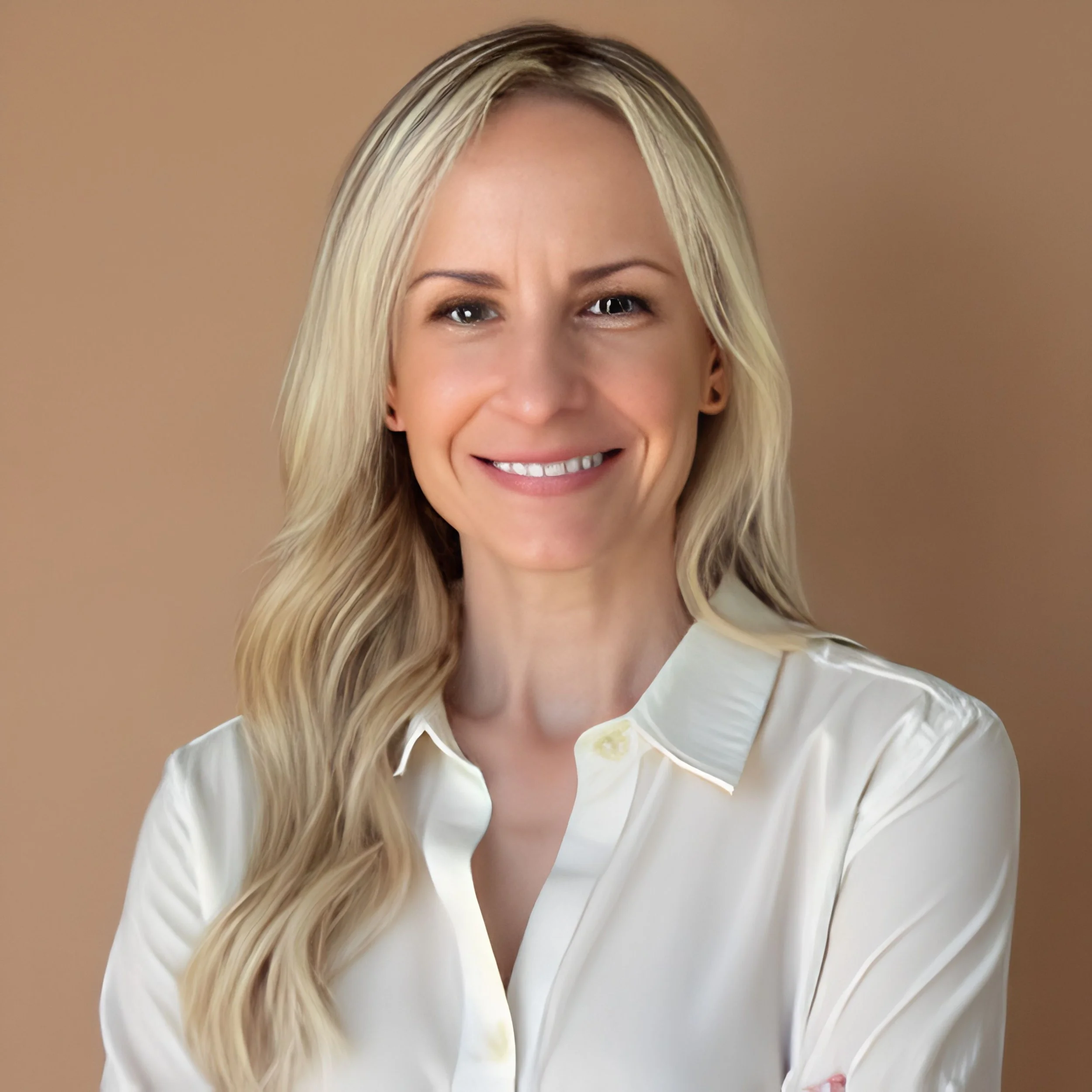
About Emily Hansen
Emily Hansen is the senior director of the Resensation® program at Axogen. She's experienced in helping breast cancer patients and surgical care teams understand the prevalence of numbness after mastectomy and what can be done to surgically address it. Specializing in advocacy and education, Emily uses that experience increase awareness nationally about the impacts that numbness after mastectomy has on patient recovery, quality of life and physical safety.
-
Sara Payne [00:00:10]:
Welcome back to the Health Marketing Collective, where strong leadership meets marketing excellence. I'm your host, Sara Payne. Today we're talking about a moment most marketing leaders know well. You're at a national sales meeting, big room, packed agenda. A leader gets up to present, and within a minute or two, you could feel where it's headed. Its numbers, priorities, a few vision slides layered in all important and necessary content, of course. But you can also feel the energy in the room drop. People are listening, but not truly locked in or engaged.
Sara Payne [00:00:41]:
And that's the problem. These meetings are meant to align the organization, but they don't always create belief. As marketing leaders, that's our job, to get an entire team to believe in where we're going and how they need to show up to make it happen. So today we're talking about storytelling. Not in the traditional sense of campaigns or content. Rather, storytelling is a leadership tool, the kind that creates belief inside of an organization, moves a room, gets a sales team bought in, and makes executives lean in. To dive into this topic, I'm excited to welcome Emily Hansen back to the show. She is senior director of market development at Axogenic, which is a leader in surgical innovation for peripheral nerve repair.
Sara Payne [00:01:26]:
She's also a longtime friend of mine. Emily, welcome back to the show.
Emily Hansen [00:01:29]:
Glad to be back. Are you going to get like multi timers jackets like snl? I feel like that could be a fun thing that we could do, you know?
Sara Payne [00:01:39]:
Oh my God, I love it. You're getting your, you're getting your two timer jacket today. That doesn't sound like a great. We need to, we need a different frame for that. Well, no. Welcome back. I'm excited to have you here. Something you said recently just really caught my attention and that was that the most expensive 20 minutes of your year are the ones where nobody listens.
Sara Payne [00:02:06]:
So let's start there. Why do so many of these moments fall flat? And again, context here being something like a big stage like the national sales meeting.
Emily Hansen [00:02:17]:
You know, there can be a variety of reasons, I would say. In my experience, a lot of people forget you have to earn interest. You don't just get it because of your title. And if you start with slides, that's the biggest mistake that you can make. And I feel like people really tend to focus on what is the content, what is the information that I want to share. It's very much what do I want to say, what do I want to communicate about the results. And that really can kind of drain the energy. It drains the opportunity for connection in creating any type of special movement on stage.
Emily Hansen [00:02:59]:
And so I think the biggest mistake that unfortunately I've sat through several of these is you see a bunch of slides with a lot of graphs and a lot of charts and a lot of bullet points in content and nobody's paying attention. The first two minutes, you might have a little bit of excitement because you know you're coming out on stage and hey, we're going to talk about this. And then for 18 minutes, it just kind of goes way down into a dip. And then when you say, all right, now I'm going to wrap it up and move on to the next, and all of a sudden people are looking up from their phones again and clapping. And I just think it's such a big missed opportunity that really could be avoided with just a little bit more critical thinking and better planning.
Sara Payne [00:03:40]:
Yeah. And I know because we've had conversations around this that you've been getting really strong positive feedback from your executive team and sales team recently that your presentations are resonating in a different way. So let's unpack that a little bit. I know it feels awkward because it feels like a brag moment for you, but I think there's something to be learned here. This is why I wanted to have this conversation. Let's talk a little bit about that feedback shift you've been getting and let's talk about what changed.
Emily Hansen [00:04:11]:
I think it's a great, a great point and what I've had to learn along the way because I haven't always done a great job with this. I think earlier in my career I was taking a lot of feedback from a lot of different people. And in many times, some of those feedback points were contradictory in and of themselves. And everyone has personal interests and preferences. And so one of the things that I've really tried to do is, is come proactively with just a very simple framework or outline for here's what I want to do, here's the key points that I want to make. I've got 20 minutes. Can I get your buy in on this? And do you feel like anything's missing? And that has really helped as kind of a starting point, because you're not sharing every single word that you're planning to say. You're not showing slides at this point.
Emily Hansen [00:05:01]:
So it's not really an opportunity for personal preference feedback, but it's more. So these are the key messages. This is the kind of emotion that I want to evoke, or these are the one or two things I want people to take away from it. And so I Feel like that's helped me quite a bit. And then personally, what I try to do is always start with writing out a script. Like I workshop my own ideas before I create any slides. The trap, if you go, if you go and look at slides and you start pulling things in is the next thing you know you're going to have a 50 slide deck for a 20 minute talk. And you start to fall in love with your own slides and it becomes really hard to cut them because they're all your special babies and you love them for whatever reason.
Emily Hansen [00:05:48]:
And so I feel like if you start really with the narrative and you really get down, what do you want to say? And you start to actually rehearse it and walk through it. This is what I get ruthless with myself. I'm a ruthless editor for my own content. I have to decide what fits where. You know, I may have to cut something that's great just because, you know, it may not fit perfectly. And I don't want to force anything in. And so for me, that's the important part. And I want to feel like I can actually present and talk about my story even with no slides.
Emily Hansen [00:06:23]:
I always think, you know, whatever's on screen behind you is really just complimentary. And I don't want to have people reading a bunch of words on screen while I'm trying to talk. Number one, you never want the same words on screen that you're also verbalizing because people can read faster than you can talk, which is also very annoying. And it, and it can just be distracting. So you want the focus to be on, on you and what your message is. And I really try to look into kind of the audience sometimes, you know, it's hard to see people depending how big the stage stage is. But if I can find one or two people and kind of make a connection that really feel like I'm delivering this point to them and I can gauge their cues so I can redirect myself time and kind of pivot if I feel like, ooh, this isn't hitting as well. And you can do all of that without having to worry about the background.
Emily Hansen [00:07:20]:
And then the fun part comes where, you know, if, if you're an expert in creating slides or if you've got graphic design support, the more power to you, like, the more simple and beautiful, I think that you can make them. You can really create these vivid moments for, you know, the important impacts that you want to make. And I really try to look at this as like a creating a peak of high interest at the same Time that I want to make a point. And so I'll either plan it to have, you know, very compelling visual on stage, right. When I, you know, deliver, you know, a blunt quote or something like that, some type of compelling statistic. And that seems to work well.
Sara Payne [00:08:03]:
Yeah. So much great advice in. In what you just shared, there are a couple things that I want to circle back to and unpack a little bit. You talked about thinking through the emotion that you want to evoke. I think that's so critical because what you're describing feels more like creating an experience. Right. It's. It's less about the information, and it's more about the connection and the experience and how you want the audience to feel about what you're saying to them.
Sara Payne [00:08:32]:
I. I thought that was great. And also, it seems. It seems so like a. Like a. Like a tactical piece of advice, but this is where the pitfalls are. What you're talking about is like going to hunt for slides you've used in the past to sort of repurpose them, because, oh, I already have that, and I can save some time, whatever. But then you end up Frankensteining a bunch of content together, and it doesn't necessarily represent the narrative and the arc and this peak that you're talking about, this sort of emotional journey that you want somebody to come on with you because you're just taking them through, you know, slides that were maybe created for a totally different product purpose.
Sara Payne [00:09:17]:
So I really love this idea of being able to speak to the story without slides, and they're perhaps just visuals to help, you know, further draw out more of that emotion. And, you know, when I think about it, when you were talking, I was thinking to myself, there's a reason why TED talks don't often have slides.
Emily Hansen [00:09:34]:
Yes. Right.
Sara Payne [00:09:35]:
Rarely do they. They're two minutes long, five minutes long, whatever they are. And they rarely have slides. You're just on a stage standing next to the TEDx, your whatever logo. And that is because the most impactful stories should be able to be told just verbally commanding that stage in that room.
Emily Hansen [00:09:55]:
Yeah.
Sara Payne [00:09:56]:
I also love your. Your line about being ruthless. Maybe. Maybe the ruthless thing to do is to just ban all slide decks at national sales meeting from. From here on out.
Emily Hansen [00:10:06]:
Honestly, I don't think it would be bad. People would be nervous about it. Right. Because it can be a crutch. And a lot of times at a sales meeting, you have multiple functions that are asked to present, and some of them are not used to presenting all the time, and they need some support and guidance, because it's also about the audience fit. You have to understand the, the purpose of what you're presenting. And one of the mistakes that a lot of speakers make is that they're trying to teach when really what you're trying to do is inspire. And so if you don't have your objective really aligned with your goal and your delivery, I think there's a big mismatch there.
Emily Hansen [00:10:50]:
And this can even be the same for, like, industry talks and things like that, where, you know, HCPs are presenting. And know, maybe they've had to suffer throughout their careers listening to poorly designed presentations, you know, through their residency and fellowship training and things like that. But it doesn't mean that it has to stay the same way. And so, you know, you, you brought up again, the experience piece. And trying to design an experience for your audience that will help them most ideally take action in their own best interest is always what I want them to do. And that can be through any type of, you know, functional specialty. Whether you're in marketing or operations or sales, you're always trying to move people to do something or believe something. And so designing something in a compelling enough way for that is really important.
Sara Payne [00:11:51]:
Yeah, I'm glad you brought up industry events and also people that come from other roles and background and experience that may not be in a marketing function, because those of us in marketing positions, communications positions, are often responsible for helping to get our colleagues with those clinical titles, backgrounds, etc. Onto those industry stages. And then it is therefore our responsibility to help them to be able to be at their best in, in those moments and providing some of that coaching and guidance for them as well. And in your role in market development, you actually do quite a bit of presentations to a clinical audience. And so, you know, you're not just talking about inspiring a sales organization, you're talking about inspiring a clinical audience as well. What's been your experience with that?
Emily Hansen [00:12:45]:
I find that they are really receptive to new ways of providing presenting. So part of this is maybe taking down your fear a little bit and worrying that, you know, you, you might lose credibility if you don't sound interesting. I think it's actually. Or by trying to be interesting, I think it's actually the opposite. Like, in my mind, no one ever lost credibility by being interesting. You also need to think about, you know, just the, the tone and the pitch of your voice and the, the pacing of how you're talking. You don't have to speak slowly, but you can speak quickly and have quick pauses in between you know, there's a difference. I can watch two different people present at the same meeting on a similar topic.
Emily Hansen [00:13:31]:
And in one hand, I can see people looking down at their phones. Whether it's social media, maybe some people are taking notes and seeing another person present. You know, every device is down and their eyes are glued on this person, and they're like, wow, I never knew this information. And so it's also just about the packaging of it, I think, especially when you're trying to present data, because data and numbers can be a little bit boring, and they also may not be as relevant to people. But when you can try to humanize things, if you have an opportunity to do that, I think it helps them, too.
Sara Payne [00:14:08]:
Yeah, love that. And I think that's where some of the tension is. You brought up the numbers, right? I think that's where the attention is for marketing leaders or for other leaders as well, is there's this sort of, you.
Emily Hansen [00:14:19]:
You.
Sara Payne [00:14:20]:
You feel you need to cover the business, the. The metrics, the priorities, et cetera. But you also know what you're talking about here is like, that's not what's really going to move people. And so really trying to find a way to balance that. How do you show up in those moments where, you know, you're in front of stakeholders who are going to quote, want the slides. Right, or they're gonna want the metrics for you? Now, being in this sort of, you know, growth and development pattern where you're like, that's not gonna really resonate and inspire people, but, you know, in some audiences, you have to deliver that. So how do you handle that? That balance?
Emily Hansen [00:15:03]:
Yeah, maybe I shouldn't say this because the way I handle it is perhaps not what I would recommend to everyone, but there's a difference between, you know, and I understand sometimes you have to negotiate those things, and, you know, you may be asked to include a specific slide or something like that that, you know, is going to fall flat with the audience. And what I tend to do in those situations is say, okay, I'll put it in. And then when that slide comes up, I'm telling the story that I want to tell. I'm not telling all the bullet points on it. And what I found is, I think, a little bit of compromise there. And then also knowing that, you know, when you're up on stage, whether it's big stage, whether it's a meeting room or, you know, an executive boardroom, when you're talking and you're commanding the room, that's when people are Paying attention. And I truly feel that, you know, all of the executives and the leaders, that's really what they want at the end of the day, is that they want attention. They want people to notice what the results are and it's less important about the delivery.
Emily Hansen [00:16:08]:
But again, if you can shift the conversation as much as possible away from how all the slides look, you have the best opportunity. If you can't do that, my advice is make those negotiations and compromises, but think about how you can still tell the story in your way. Because at the end of the day, being interesting is the listener's experience. It's not about you. And that's another mistake too, that people make is really like anyone who's even an entertainer not saying that what we're doing when we're presenting is similar to Kevin Hart doing a stand up comedy show or something. But their job is to entertain and it's all about them and getting the laughs right. And, and when you're a leader, your focus should not even be on yourself at all. It really needs to be on your audience and the listeners and how can you move them to take action in their own best interest.
Sara Payne [00:17:09]:
I love that. So well said. I want to go back to your earlier point where you're talking about finding the human in the story and really drawing out those, those human elements. I want, because I know you've had an opportunity to do this more specifically based on some market research that the organization invested in and being able to have some new testimonials and data around the human experience to work with. But I want to go back to the feedback that you were getting. You're humble, so you're not going to always want to share that. But my point here is that what I noticed when you shared this with me is that the feedback, what you were specifically getting feedback on was the human element of the story where people were like you, you presented, you left the room and people like tracked you down in the hallway, you know, in the parking lot, whatever, and are like, wow, that really resonated with me. You know, I've been with this company X number of years and this is the first time it's really hit me in a way I hadn't really thought of before.
Sara Payne [00:18:17]:
Tell us a little bit. This is my version of the story. I don't know how accurate I'm getting it, but like, tell us a little bit about that. Like, we all know we should be telling human stories, but I want you to share the actual reaction you got from both sales and executives when you were able to deliver that at a different level than you'd ever done before?
Emily Hansen [00:18:40]:
Yes. Thank you for forcing me to talk about this. No, it is good. And I think, you know, one of my objectives when I am going to present like this, and a lot of times I present to mixed audiences, so that may include people that know what I do and I work with regularly, and it may include three quarters of that audience that doesn't know what I do at all. And so when. When I'm trying to prepare for that, I'm thinking, okay, of course I can resonate with the people that I'm used to connecting with. My goal now, though, is to connect with somebody that doesn't know this space. And I kind of describe it as like, I want to hit them in their heart bone a little bit.
Emily Hansen [00:19:19]:
So, you know, some of the recent content that I have been presenting on is highly emotional, highly impactful. You know, it affects a lot of women. And so I shared very visceral quotes. And I had designed a slide that was. I should say, I did not design the slide. One of my team members, who is an excellent designer, designed the slides. I had a chicken scratch vision, and she created a beautiful thing. But I wanted to just kind of abbreviate some of these quotes through the narrative that I was talking about.
Emily Hansen [00:19:52]:
But on screen behind me was the verbatim quotes, and some of them were, you know, visceral things. You know, I lost my breast reconstruction due to an injury because I didn't have sensation. You know, I lost my relationship because, you know, my partner didn't understand and didn't support me and all of these things. And so as I'm kind of talking through that, my job is to. I almost say I have to, like, take people really down into the deep. And then what I'm going to do, though, is take them back up. Right. So what I want people to understand is you can share all of these emotional components, and then you can also drive home the message of, this is why we're doing what we're doing.
Emily Hansen [00:20:31]:
This is why our strategy is working. These are the results that we're seeing, and these are the actual people that we are helping. We are aiming to reduce the amount of people that have these types of experiences by what we're doing. And so some of the specific feedback that I got that I was, like, most proud of was some of the other sales team members that I don't work with regularly. Many of the male coming up to me and saying, wow, like, I'm normally, like, A stone cold, no emotion person. And what you said, like, made me cry or I was tearing up. And not that, like, my intention is to make people cry, but I felt like, okay, I did, I did the best service of representing all of these people's feedback and communicating it in a way so that their voices are heard, because for so many years, like, they haven't been heard. So I felt proud of that because I was able to, like, bring it to life and move people.
Sara Payne [00:21:29]:
Yeah, I mean, it's a responsibility that we have. I mean, we're all in healthcare and do what we do because we believe in the impact we're going to have on positive impact we're going to have on people's lives. And it isn't every day or even every year that we have access to these kinds of powerful stories. But I think your point here really underscores the importance of never, like, never giving up on making that a priority. Right. Whether it's a priority from an investment standpoint, which is what you all did in investing money in the market research to go collect those stories, or it's in time connecting with whoever has those downstream relationships to try to get the direct access that you need time to document those stories, time to get permission to retell them. This is so powerful. And my husband actually works for a large medical device company as well, and they, multiple times a year, bring all employees in for a meeting and they put actual patients up on the stage.
Sara Payne [00:22:38]:
And he says the same thing. He's like, you look around and there's not a dry eye in the room. Right? And these are, he's like, these are people that I would never think that I would see, you know, getting emotional at work. And like, that's, that's when we know we've done our job.
Emily Hansen [00:22:53]:
Right?
Sara Payne [00:22:53]:
And that's really, you know, kudos to you for having experienced that. And it's the responsibility that we have to bring those stories onto the stage and into the spotlight. Even to your point, if they're really uncomfortable stories for people to sit with
Emily Hansen [00:23:11]:
in some cases, yeah, yeah, they can be really, really hard. And I love hearing that. I think bringing patients in when there's an opportunity is great and for all levels of an organization because that's really when you're, when you're thinking about building organizational culture. You know, every opportunity I have to go tell these same stories and like, what we're doing as a patient business, to our operations team, to our research and development team, to the clinical team, to the finance team, because I want Them to understand what, what these dollars are going towards, how they are helping drive change for, you know, hundreds and thousands of patient lives in the future. What the work that they do every day, you know, I want them to connect it back to something real. And I think it really does that for them.
Sara Payne [00:24:00]:
Yeah. So now it makes me think about in the days, weeks, since you delivered some of these presentations and had people, you know, approach you and say, wow, you know, really moving, and I'm. I'm connecting with the work we do in a way maybe I haven't done before. Have you seen any evidence that they are more engaged in the work that you do in your role from either an advocacy or a market development standpoint? Like, are you seeing the additional. You know, they may feel more personal job satisfaction, which is in and of itself a wonderful, fantastic thing, but are you also seeing maybe more connectedness to what, how you need individuals to show up for you to advance the work that you're leading?
Emily Hansen [00:24:53]:
For? Sure. I mean, there's various examples from people telling me about, you know, a loved one who's going through this and asking for assistance and saying, hey, I'm going to actually send them to the website now. I feel comfortable doing this. People offering to help in any way they can, you know, if they can share their stories. I've been introduced to all kinds of different surgeons and things like that, just through other connections of people that are interested. And so I feel like making the information available, making it compelling, and then giving people the tools and resources to go and leverage them in the field, even if it's not their direct responsibility. I feel like everyone can feel touched by trying to improve lives, trying to improve outcomes across all kinds of health care specialties. And so that really excites me.
Emily Hansen [00:25:50]:
Like, I never get upset when my inbox is blowing up with, hey, can you talk to so and so? I'll always make time, or we'll find someone on my team who can make time. I think that's just such an important component to really support and reinforce it on top of just personal job satisfaction. And there's nothing more that I love when, when people are like, hey, I'm willing to help. It is kind of keep in mind that the world is good, people are good, people have good intent and, you know, and we get them excited and give them tools to be able to help effectively. Like, you could kind of create an army in a good way. A positive army out there making change.
Sara Payne [00:26:29]:
I love that. Positive army making change. That's such a great frame. Have There been any moments where someone repeated your messaging or your narrative back to you, or you witnessed them out in the wild doing it on their own and you're like, you're like celebrating those little wins of seeing the army out there spreading, you know, the word.
Emily Hansen [00:26:53]:
Yes. Quite a few times. So I travel out in the field with our sales team and so I'm able to, you know, sometimes by them watching me present something, I think it gives them a new or different way to, or like a little note to think about, oh, hey, maybe I will say this when I'm explaining something. And so I've been able to kind of witness that which I really like. And just seeing, you know, even the clinicians that I present to regularly will come up and tell me, hey, you know, thank you for that. Now, you know, I feel less uncomfortable about having some direct conversations with my patients or wow, I didn't even know this was such a big problem. Like, I had no idea. Thank you for uncovering this and also giving us some tools and resources for how to more effectively communicate with our patients.
Emily Hansen [00:27:41]:
So to me that makes me happy as well because again, giving, giving more voice and more life to all of these people that have shared their stories with us, I think is really continuing to create momentum. And then it helps others be able to share the stories and tell the stories even in their own words. And so I love hearing the creative ways that people will start talking about this and spreading the message.
Sara Payne [00:28:07]:
Yeah, I love that. Because it's one thing for us as marketing leaders to show up in this way and it's another thing for us to inspire a sales organization enough to be able to shift their own delivery methods and their own stories that they're telling out there. I mean, that's the ultimate success, right, Is when that trickle down effect can happen because that same moment of, aha, you know, of emotional resonance that they had, that's what we want for their, for their target audience as well and, and the people that are making, you know, those critical decisions. So yeah, I mean, I, again, it's step one is, you know, get the marketing organization aligned on this level of emotional resident resonance and then the ability to then influence how that message is showing up in the marketplace.
Emily Hansen [00:29:03]:
Yeah, I mean, it's something that I would encourage all, all marketers to do. Right. And it can be a bit more normal to work in your office day to day and create materials and create content and create assets for a sales team. But if you don't take the additional step to actually go see number One, how are they used and how are they communicated and then also are they received the way that you're intending. So you, you really do need to take that step and also spend time with it, whoever the intended audience is. So if it's a sales team, you want to spend time and really talk to them about what is the purpose of this piece, how should you use it? You have to lead by example. So you got to get into their shoes as like a salesperson and do a bit of role playing and show them that you understand what their world is. And then even for the end users, like I check myself.
Emily Hansen [00:30:00]:
So, you know, I was just in Chicago last week and we have just created a whole bunch of new marketing materials. And so I brought some to dinner and at dinner I was talking through them and talking through some of the new visuals and getting feedback. You know, what do you guys think of this? Will this be helpful in your practice? And so I was able to get a lot of great feedback and know they ask to have a bunch of copies of them in their office, which is always a great thing. But I feel like that extra step of explaining to them how to use these tools in patient consultations and how it can make their job a little bit easier because as clinicians, they're very busy and very limited time. So anyway, hot tip for the marketers is check your work. It's important step to do. Sometimes we can look at it and we think it looks beautiful or perfect, but we haven't taken that final step to check it.
Sara Payne [00:30:49]:
Yeah, that feedback loop can really, really be important as well as we put a bow in this conversation. What's either like kind of the last, last piece of advice. What's either one mind shift or mindset shift that you would recommend a marketing leader take in terms of adopting this kind of approach or one thing that they could try in their next presentation. Whichever one of those questions you would want to take.
Emily Hansen [00:31:19]:
My, my number one advice would be to start with just a blank piece of paper, not even a computer, unless if you, you love to do it on a computer. I'm very old school, so I like to sketch it out. I write down what does my audience think today? What do I want them to think at the end of this presentation? And then I'll typically just create like three boxes, kind of like a ladder of, you know, what are some of the ideal points of how am I going to bring them to this new state? And I think even if you just do that, it will give you a lot more clarity and again, remind you that the goal of whatever you're presenting is to engage the audience, and it's not for you to just share all of the information. So you can use that kind of output as a way to edit yourself and frame yourself as you start designing your presentation.
Sara Payne [00:32:13]:
I love that. Great advice. And this conversation has been just such a good reminder that these moments really do shape how an organization thinks, acts, and shows up in the marketplace. And when we get it right, it can be a catalyst and an inspiration, which is exactly what we want as a marketing organization. Emily, this was so good. I'm really glad we did this one.
Emily Hansen [00:32:35]:
Thank you. Awesome to be here and always fun to talk about storytelling. Thanks for having me.
Sara Payne [00:32:40]:
Yeah. And how can folks get in touch with you?
Emily Hansen [00:32:43]:
The best way to find me is on LinkedIn, so feel free to connect with me, send a message there. I love meeting new people in this space and in other spaces. I think we have a lot to learn from each other, even across specialties. So happy to connect.
Sara Payne [00:32:57]:
Amazing. Again, thanks for being here.
Emily Hansen [00:33:00]:
Thank you.
Sara Payne [00:33:01]:
That's a wrap for today's episode. Thanks for tuning into the Health Marketing Collective, where strong leadership meets marketing excellence, because the future of healthcare depends on it. We'll see you next time. Sa.
Who Should Be Our Next Guest?
Contact us at connect@inprela.com with your suggestions for guests who are making waves in Healthcare marketing.